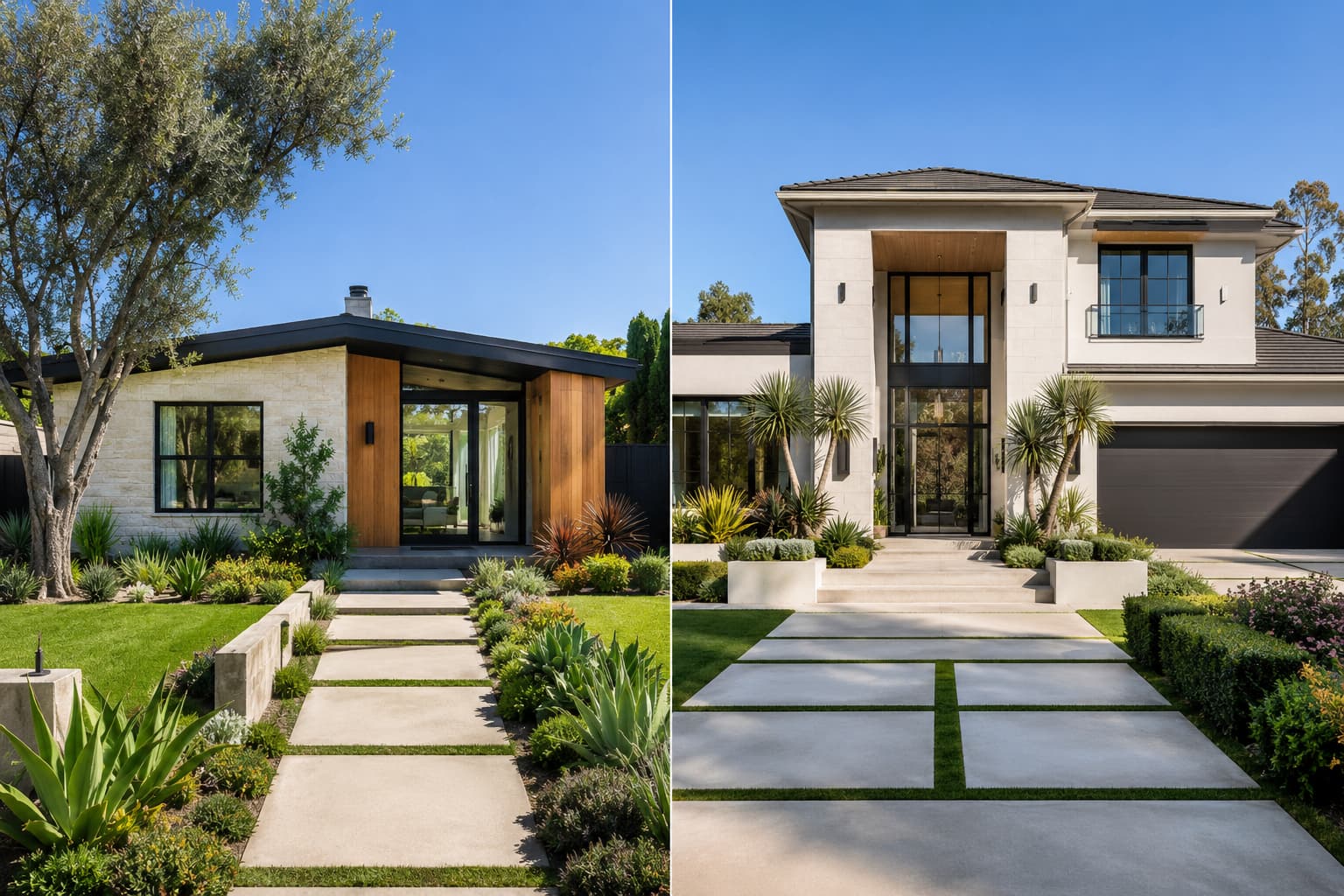
Choosing between a rebuild vs remodel depends on your home's structural condition, your goals, and the overall cost of each option. If the existing structure is sound, remodeling can improve the home without starting over. However, major structural problems or extensive changes may make rebuilding the better choice.
For Los Angeles homeowners, the decision also involves permitting, design requirements, construction timelines, and the property's existing layout. Understanding the differences between remodeling and rebuilding can help you choose an approach that fits your home and budget.
What Is the Difference Between Rebuilding and Remodeling?
A remodel updates or changes an existing home while keeping much of its original structure. Depending on the project, this can include kitchens, bathrooms, floor plans, additions, electrical systems, plumbing, roofing, and other major improvements.
A rebuild involves removing most or all of the existing structure and constructing a new home on the property. It provides much greater freedom to create a completely different floor plan, improve structural performance, and incorporate modern building requirements.
Remodeling | Rebuilding |
|---|---|
Keeps some existing structure | Replaces most or all of the structure |
Usually preserves the home's basic footprint | Allows a substantially new design |
Can target specific problem areas | Addresses the home as a whole |
Often works well when the structure is sound | May make sense when major problems exist |
Typically requires less demolition | Requires extensive demolition and new construction |
The right choice is not simply about choosing the cheaper option. The condition of the home and the scope of your desired changes matter just as much.
When Should You Remodel or Rebuild Your Home?
Whether you should remodel or rebuild depends on your home's condition and the extent of changes you want to make.
Your Home Has a Solid Structural Foundation
A sound foundation and generally stable structure are strong reasons to consider remodeling. If the home's major structural components are in good condition, you may be able to transform the interior without replacing the entire property.
For example, a dated Los Angeles home may have a good structural shell but an inefficient kitchen, small bathrooms, outdated finishes, and disconnected living spaces. A carefully planned remodel can address these issues while preserving the parts of the home that still work.
You Want to Improve Layout and Functionality
Remodeling can be a practical choice when your main problem is how the home functions. Removing walls, reconfiguring rooms, adding storage, or creating better connections between living areas can dramatically change how a home feels.
A complete home remodeling project can combine several improvements into one coordinated plan. This approach can be especially useful when homeowners like their location but want the house to better fit their lifestyle.
The Existing Structure Has Major Problems
Rebuilding becomes more attractive when the existing home has extensive structural deterioration or problems that would require major reconstruction.
If significant portions of the foundation, framing, plumbing, electrical systems, or other critical components require replacement, compare the cost and complexity of repairing the existing structure against starting fresh.
A professional evaluation is important before making this decision. Visible cosmetic problems alone do not necessarily mean a home needs to be rebuilt.
Remodeling Costs Approach Rebuild Costs
One of the most important considerations in a rebuild vs remodel decision is the total project scope. A remodel that involves extensive structural work, major additions, new systems, and substantial interior reconstruction can become increasingly complex.
When remodeling costs approach the expected cost of rebuilding, homeowners should compare both options carefully. The better choice depends on the property's condition, design goals, permitting requirements, and the value created by each approach.
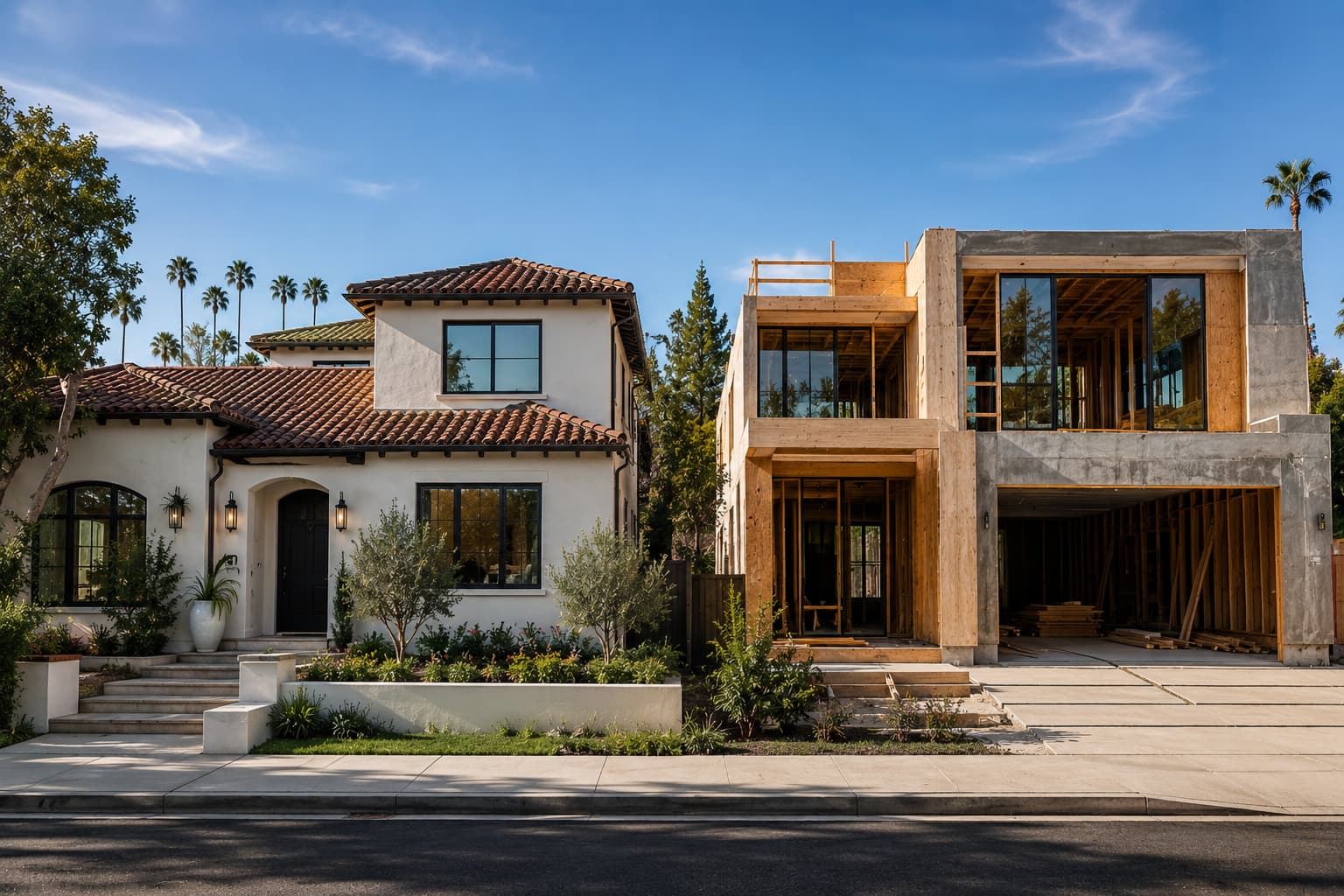
Rebuild vs Remodel: Cost Comparison
There is no single price that applies to every remodel or rebuild. Project costs vary based on home size, materials, labor, structural conditions, design complexity, site conditions, and local requirements.
Factors That Affect Remodeling Costs
The cost to remodel a house depends heavily on how much of the existing home remains and how extensive the changes are.
Important factors include:
- Size and number of rooms being remodeled
- Structural modifications and wall removal
- Plumbing and electrical upgrades
- Kitchen and bathroom renovations
- Flooring, cabinets, countertops, and finishes
- Windows, doors, roofing, or exterior improvements
- Additions and changes to the home's footprint
- Design, engineering, permits, and inspections
A focused renovation may require a much smaller investment than a whole-house transformation. However, extensive remodeling can involve many of the same trades required during new construction.
Factors That Affect Rebuilding Costs
Home rebuilding costs are influenced by the size and design of the new house, site conditions, materials, labor, and project requirements.
The cost to rebuild a house can also include demolition, debris removal, architectural design, engineering, permits, utility work, site preparation, and construction.
Rebuilding provides more design flexibility, but that flexibility also means more decisions. Homeowners should establish their priorities early so the design remains aligned with the available budget.
Additional Costs to Consider
The headline construction price is only one part of the financial picture. Both remodeling and rebuilding may involve additional expenses.
Consider costs related to:
- Architectural and engineering services
- Permits and inspections
- Demolition and disposal
- Temporary housing during construction
- Site preparation
- Utility modifications
- Material upgrades
- Unexpected existing-condition repairs
- Landscaping and exterior improvements
A detailed scope of work helps reduce surprises. Transparent pricing and clear planning are particularly valuable when comparing a remodel with a complete rebuild.
Rebuild vs Remodel: Pros and Cons
Both approaches can produce an excellent home, but they offer different advantages.
Remodeling advantages:
- Preserves a home you already know and like
- Can target specific problems
- May allow you to remain within the existing footprint
- Can improve functionality without replacing everything
- Offers flexibility in project size and scope
Remodeling disadvantages:
- Existing structural limitations may remain
- Hidden conditions can affect the budget
- Some desired layouts may be difficult to achieve
- Older systems may require unexpected upgrades
Rebuilding advantages:
- Provides extensive design freedom
- Allows a new floor plan from the beginning
- Makes it easier to coordinate modern systems
- Can address major structural concerns comprehensively
- Creates an opportunity for a cohesive new design
Rebuilding disadvantages:
- Requires extensive demolition and construction
- Usually involves a larger overall project scope
- Requires careful planning before construction begins
- Temporary relocation may be necessary
- Design and permitting can be more involved

How to Decide Between Rebuilding and Remodeling
Start by evaluating the existing structure rather than focusing only on appearance. A dated kitchen or bathroom does not automatically justify rebuilding, while serious structural issues deserve closer attention.
Next, define what you actually want to change. If your goals involve finishes, storage, room layouts, or selected structural changes, remodeling may provide the right solution. If you want to fundamentally change the home's size, configuration, and structure, rebuilding may be more appropriate.
It also helps to compare complete project scopes rather than isolated construction prices. Include design, permits, demolition, structural work, materials, labor, and potential unexpected costs.
Why Professional Planning Matters for a Rebuild or Remodel
Professional planning can reveal important differences between what a homeowner wants and what the existing property can realistically support.
A qualified contractor can help evaluate the scope, coordinate design and construction requirements, identify potential structural concerns, and develop a realistic project plan. This becomes even more important when walls, foundations, plumbing, electrical systems, or the home's footprint are changing.
Goldenline Construction uses a three-step consultation, permitting, and build process designed to create a clear path from planning through construction.
Conclusion
The choice between a rebuild vs remodel ultimately depends on the condition of your existing home, the changes you want, and the total cost of achieving them.
If your home's structure is sound and you mainly want better functionality, updated spaces, or a new layout, remodeling may be the practical choice. If major structural problems exist or your goals require replacing most of the home, rebuilding may provide greater long-term flexibility.
The best decision comes from comparing realistic scopes, costs, design possibilities, and property conditions.