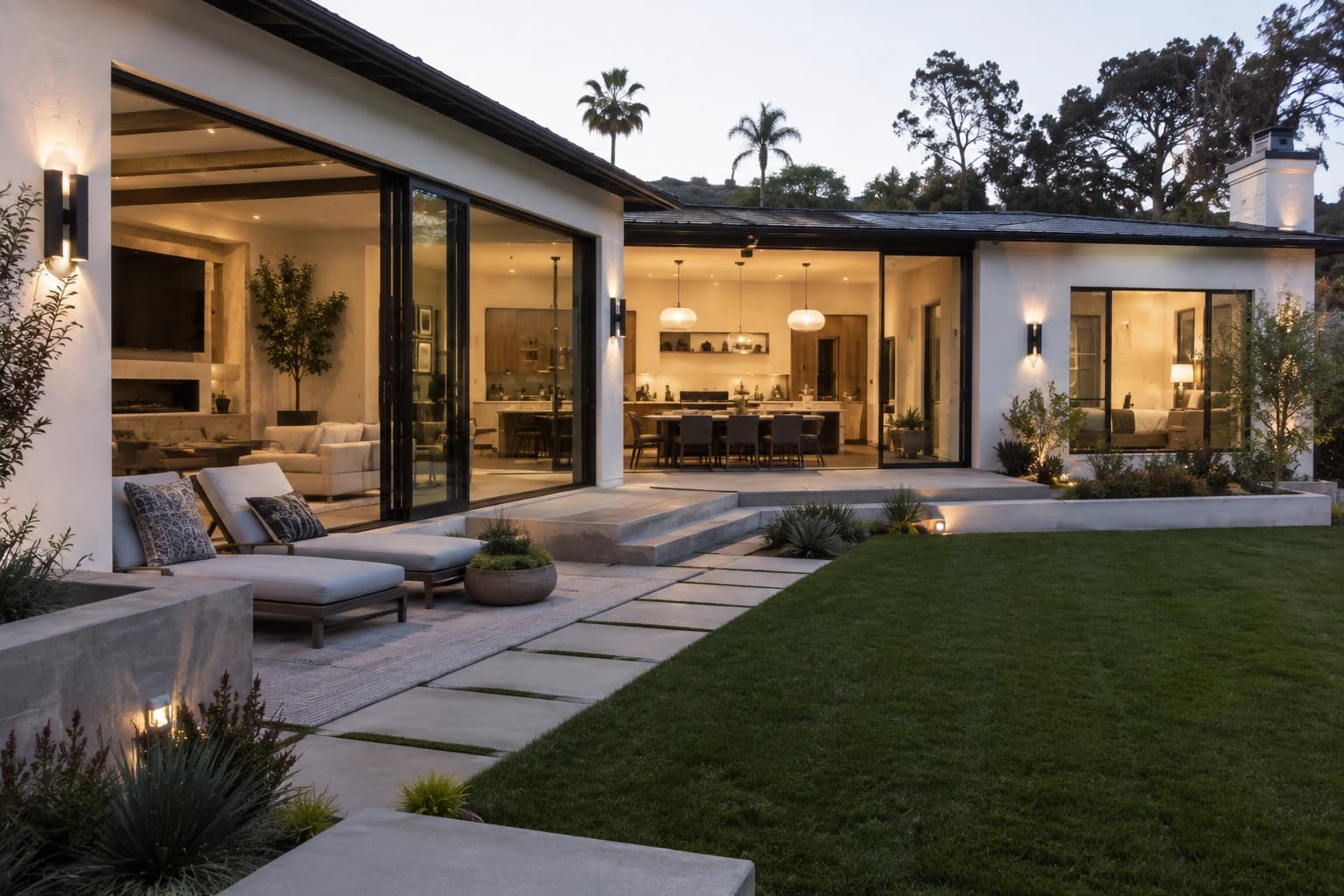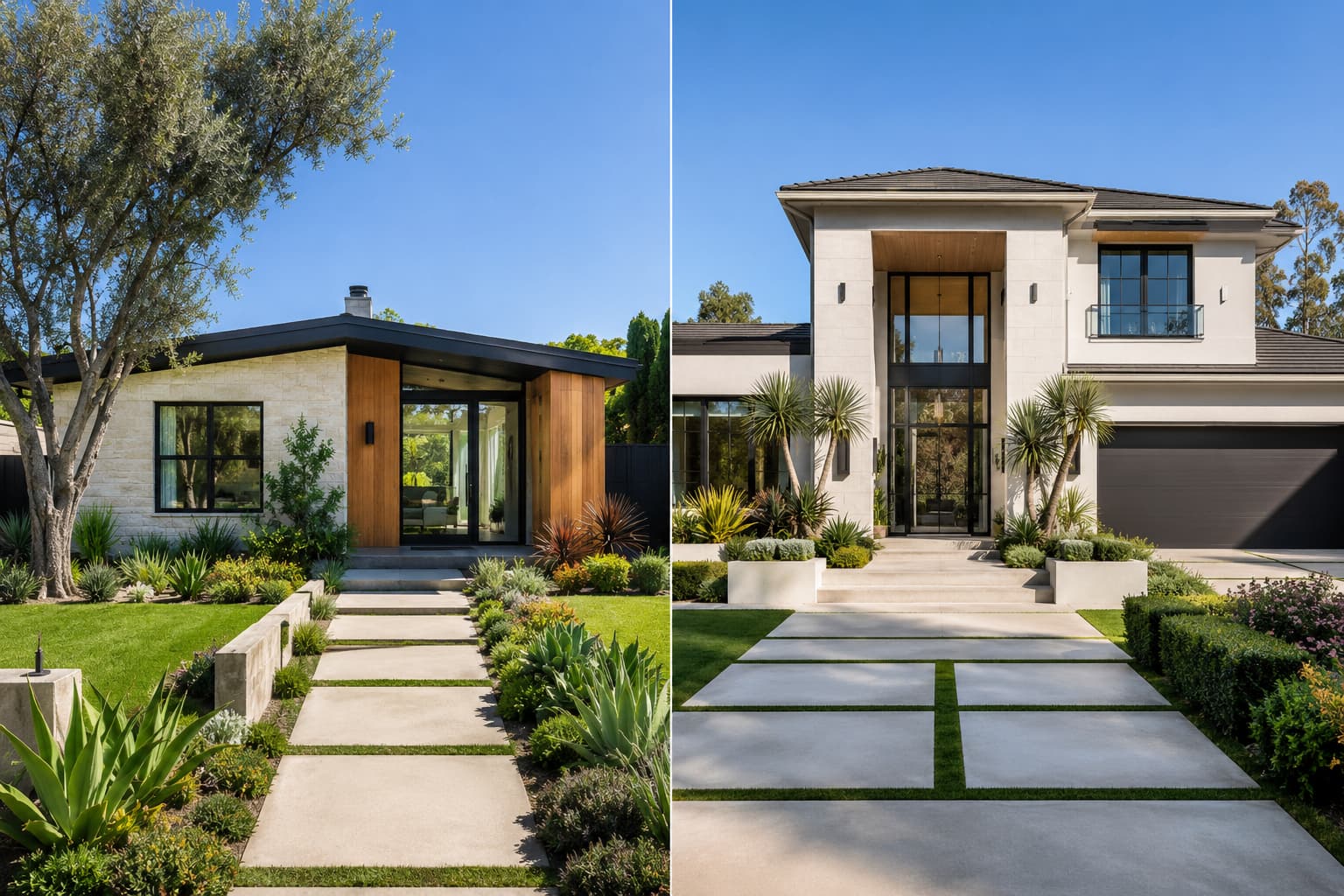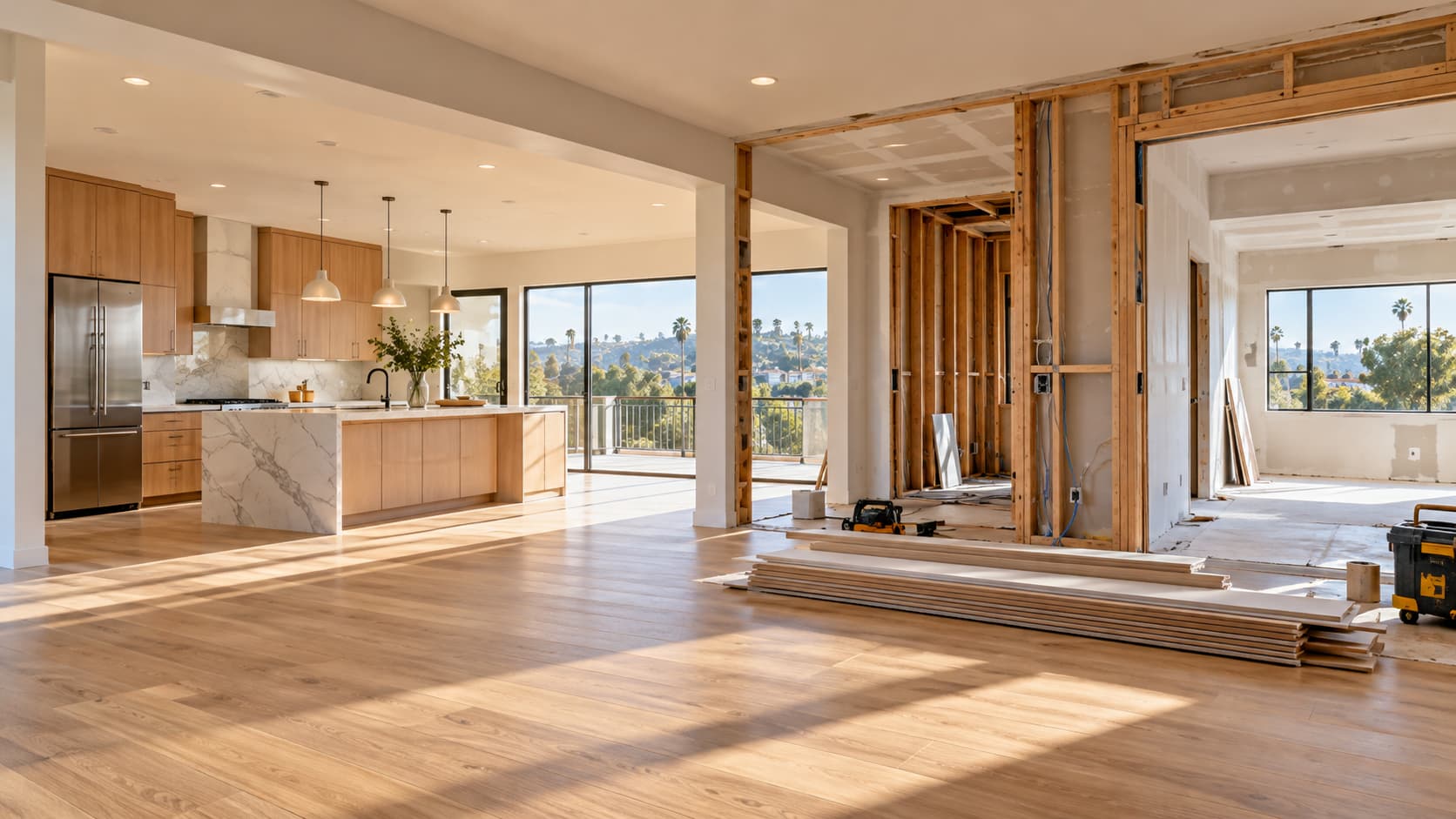
A home remodel in Los Angeles can take a few weeks to more than a year, depending on the project's size and complexity. Cosmetic updates typically take less time than kitchen renovations, whole-home remodeling, or ADU construction. Permits, material deliveries, and unexpected repairs can also extend the schedule.
Understanding each stage helps you estimate your home remodeling timeline and plan around construction. Below, we break down typical project durations, explain how long each phase may take, and highlight factors that can affect your completion date.
Average Timeline for a Home Remodel in Los Angeles
The following estimates provide a general starting point for planning. Actual timelines vary by property, project scope, permitting requirements, and contractor scheduling. Construction estimates do not always include the time needed for design and approvals.
Project type | Estimated construction time |
|---|---|
Small cosmetic updates | A few days to several weeks |
Kitchen remodeling | Several weeks to a few months |
Bathroom remodeling | Several weeks to a few months |
Whole-home remodeling | Several months to a year or longer |
Room additions | Several months or longer |
ADU construction | Several months or longer |
These are broad planning ranges, not guaranteed completion dates. Projects involving major structural changes or complex approvals may take considerably longer.
Small Home Renovations and Cosmetic Updates
Small projects, such as painting, flooring replacement, or fixture upgrades, may take a few days to several weeks. Renovating multiple rooms takes longer than updating one area.
Preparation, repairs, and material availability can also affect the schedule. Combining several small projects may require additional coordination between trades.
Kitchen and Bathroom Remodeling
Kitchen and bathroom renovations often take several weeks to a few months, depending on the scope.
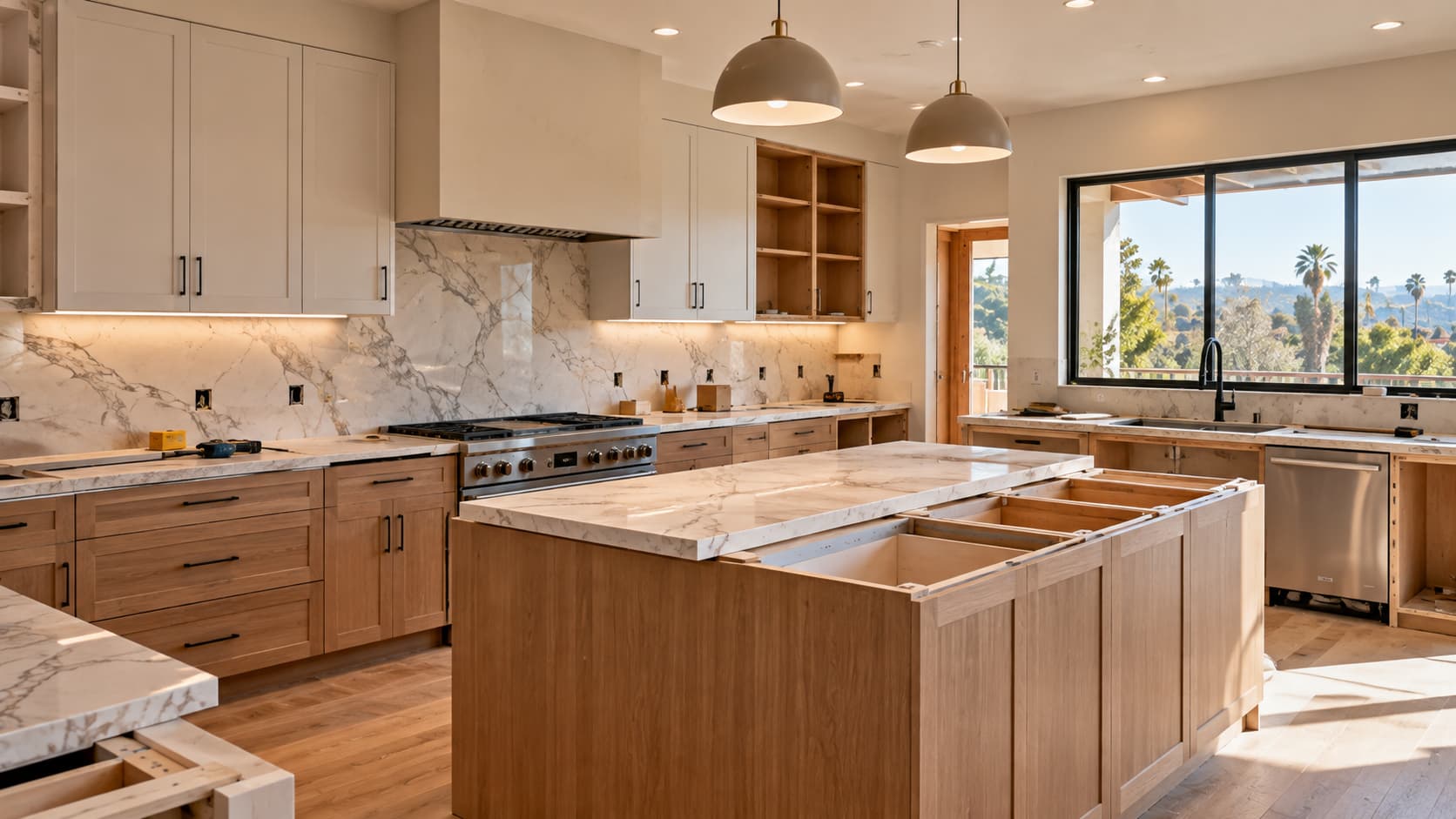
Kitchen work may involve cabinet installation, countertop fabrication, plumbing, and appliance delivery. Bathroom projects may require waterproofing, tile installation, plumbing changes, and inspections.
Custom materials and layout changes can extend both projects beyond their initial estimates.
Whole-Home Remodeling
A whole-home renovation may take several months to a year or longer. Cosmetic improvements usually require less time than projects involving structural modifications, new layouts, or major electrical and plumbing upgrades.
The number of rooms being renovated and whether the home remains occupied also influence scheduling.
Room Additions and ADU Construction
Room additions and accessory dwelling units (ADUs) often require several months or longer because they involve more than interior finishing.
Planning may include architectural drawings, engineering, permits, foundations, framing, utilities, and inspections. The total timeline should account for these preconstruction activities as well as the building phase.
What Happens During Each Phase of a Home Remodeling Project?
The complete home renovation timeline includes planning, design, permitting, construction, and final inspections. Each stage contributes to the overall duration.
Initial Consultation and Project Planning
Typical duration: A few days to several weeks.
The contractor evaluates your goals, budget, property, and proposed work. Clear decisions about the project scope help establish a realistic schedule before major commitments begin.
Design, Engineering, and Material Selection
Typical duration: Several weeks to a few months for more complex projects.
This phase covers drawings, engineering where required, layout decisions, and material selections. Custom products may need additional lead time, so ordering them early can prevent later interruptions.
Permits and Inspections
Typical duration: Varies by project and reviewing authority.
Permit preparation and approval can take weeks or months, depending on the project's complexity and whether revisions are required. Inspections may also create scheduling dependencies during construction.
Demolition and Structural Work
Typical duration: Several days to several weeks or longer.
Demolition removes existing finishes and prepares the property for construction. Structural modifications can add time, especially when extensive framing or other building changes are necessary.
Unexpected damage discovered after demolition may require additional repairs before work continues.
Construction, Installation, and Finishing
Typical duration: Several weeks to several months, depending on scope.
This stage may include framing, plumbing, electrical work, drywall, flooring, cabinetry, tile, painting, and fixture installation.
Work must follow the proper sequence. Delayed materials, trade scheduling conflicts, and changes to approved plans can extend the construction period.
Final Inspections and Project Completion
Typical duration: Several days to several weeks.
The final stage includes completing outstanding work, addressing deficiencies, and arranging required inspections. The project may take longer if corrections or additional installations are necessary before handover.
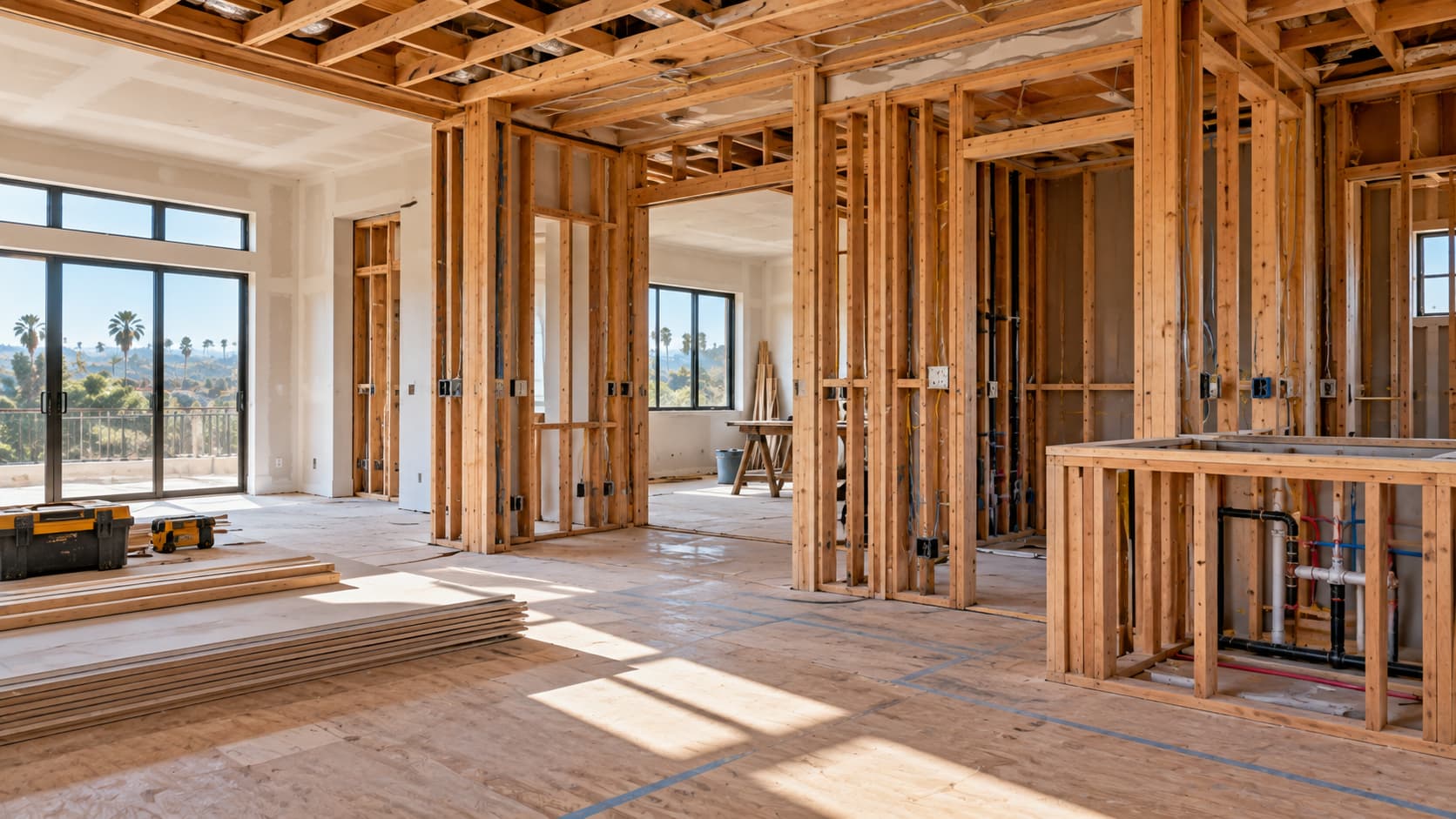
Factors That Affect a Home Remodeling Timeline in Los Angeles
Several factors can extend or shorten your renovation schedule:
- Project scope: Structural changes generally require more time than cosmetic updates.
- Permits: Application reviews and required inspections can delay progress.
- Material lead times: Custom cabinets, windows, and specialty finishes may take weeks or months to arrive.
- Unexpected repairs: Hidden structural, plumbing, or electrical problems can add work.
- Design changes: Late decisions may require revised plans, new orders, or additional labor.
- Contractor coordination: Delays between trades can affect when the next stage begins.
When planning your schedule, consider both construction duration and preconstruction work. A detailed home remodeling cost breakdown can also help you make important budget decisions before work starts.
How Los Angeles Permits and Inspections Can Affect Your Remodel
Permits can add significant time to a home renovation timeline in Los Angeles. Requirements depend on the work involved, property location, and applicable building regulations.
Projects involving structural modifications, room additions, or major system changes may require drawings, reviews, and multiple inspections. Applications that need revisions can take longer to approve.
Ask your contractor to identify required permits, explain the approval process, and include expected review periods in the schedule. Avoid treating the permit application date as the construction start date unless the necessary approvals have been secured.
Can You Live in Your Home During a Remodel?
Living at home can be practical during smaller renovations, but extensive projects may require temporary accommodation.
- Kitchen renovation: Plan for a temporary cooking area if the kitchen will be unavailable.
- Bathroom renovation: Staying home is easier when another bathroom remains functional.
- Whole-home renovation: Dust, noise, and utility interruptions may make moving out more practical.
- Major structural work: Restricted access or safety concerns may prevent you from occupying the property.
Discuss these issues with your contractor before construction. If you need temporary housing, include that period in your budget and project schedule.
Conclusion
The time needed for a home remodel in Los Angeles depends on the project's scope, permitting requirements, material availability, and construction conditions. Small updates may take weeks, while whole-home renovations, room additions, and ADUs can require several months or longer.
For a more reliable timeline, finalize the design early, order materials in advance, and establish clear milestones with your contractor. Goldenline Construction serves homeowners throughout the greater Los Angeles area and can help you discuss your remodeling goals and anticipated project schedule.