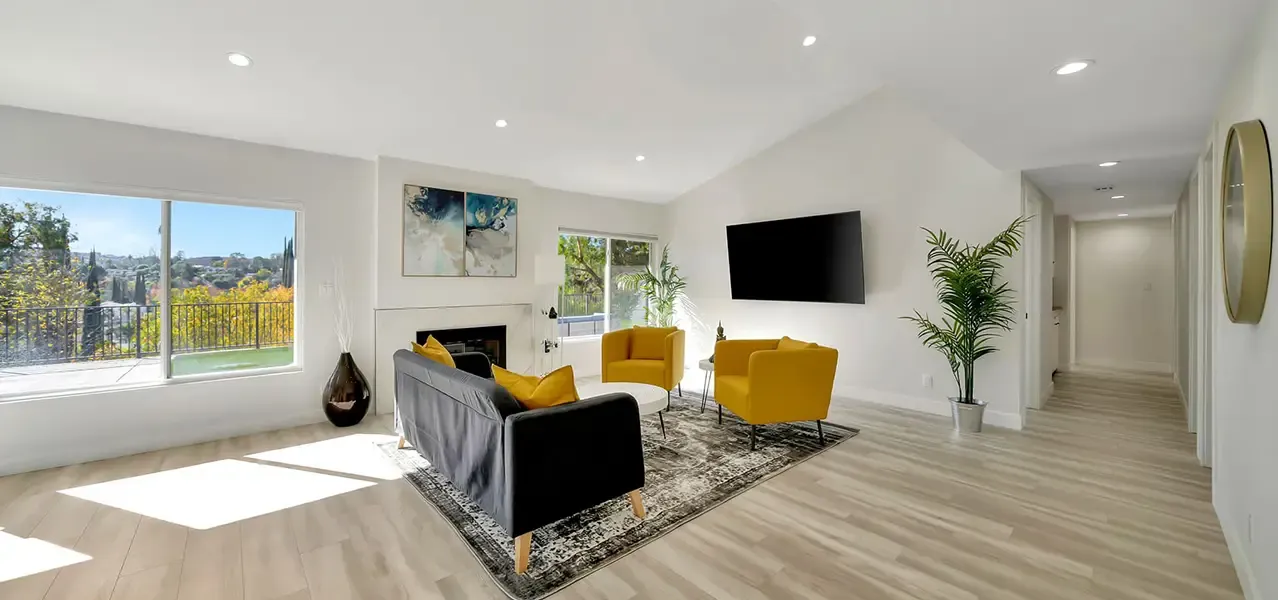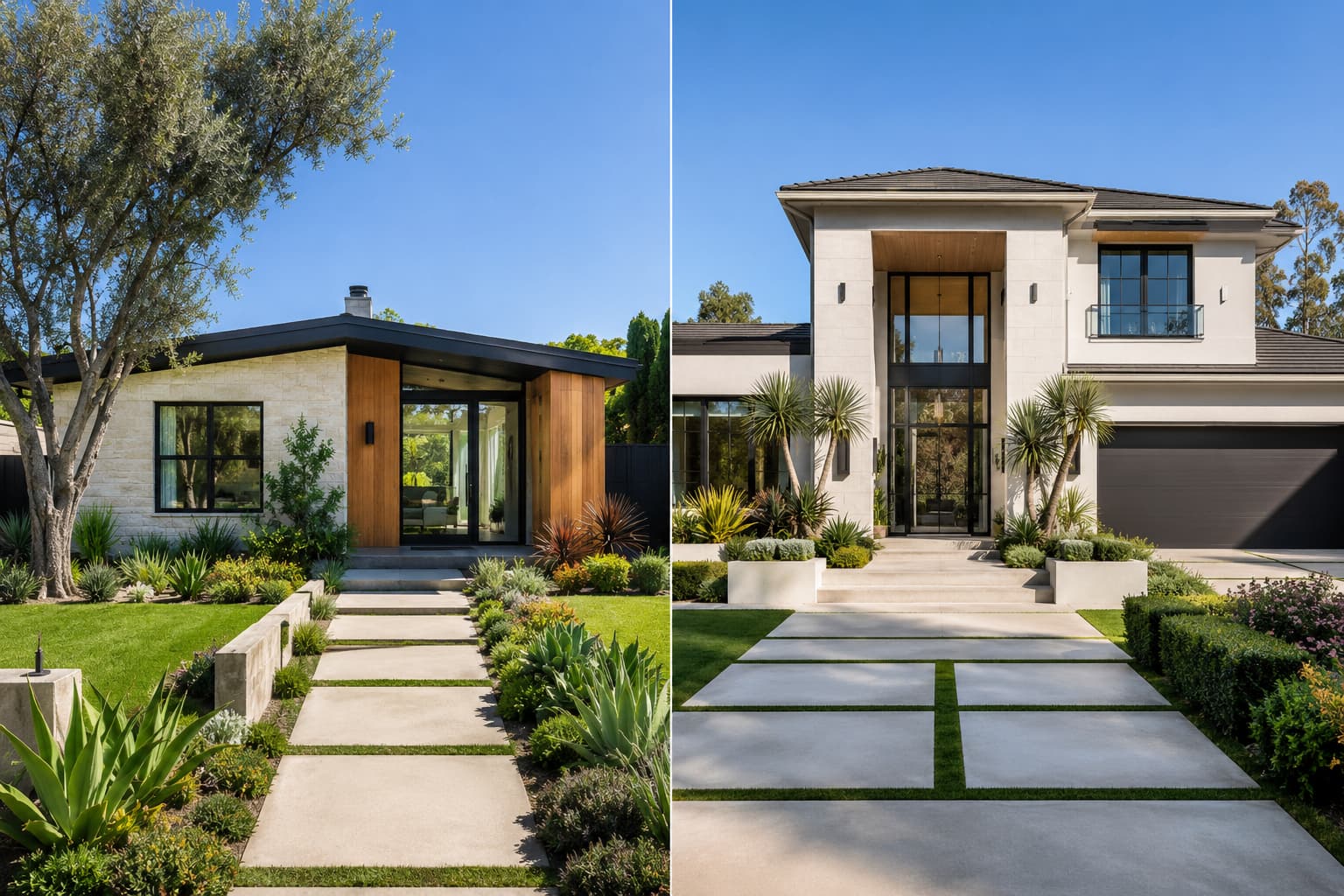
For many homeowners, it is cheaper to remodel an existing home than buy a new one in Los Angeles. However, the right choice depends on your home's condition, your budget, local housing prices, and your long-term plans.
Los Angeles has one of the country's most expensive housing markets. While buying a new home offers a fresh start, it also comes with higher purchase prices, closing costs, and moving expenses. Remodeling allows you to improve the home you already own while staying in a neighborhood you love.
This guide compares both options, explains the costs involved, and helps you decide which investment makes the most sense.
Is It Cheaper to Buy or Remodel in Los Angeles?
In many cases, remodeling is the more affordable option, especially if your home has a solid structure and meets most of your family's needs.
Buying another home means paying for more than just the purchase price. You'll also need to consider closing costs, inspections, moving expenses, and potentially higher monthly mortgage payments. Remodeling focuses your budget on improving your current property instead.
Before making a decision, ask yourself:
- Does my current home have enough potential?
- Am I happy with my neighborhood?
- Can remodeling meet my future needs?
- What option fits my budget better?
Your answers will help determine whether home remodeling vs. buying a house is the better investment.
What Affects the Cost of Buying a Home vs. Remodeling?
Several factors influence whether it's more cost-effective to remodel or purchase another home.
Los Angeles Home Prices and Market Conditions
Home prices in Los Angeles remain high, making it difficult for many homeowners to upgrade without significantly increasing their housing costs.
If you already own a home in a desirable neighborhood, investing in a remodel may provide better value than purchasing another property at today's prices. Before planning your project, it's helpful to understand the complete home remodeling process and what improvements are possible within your existing home.
The Scope and Condition of Your Current Home
The condition of your home plays a major role in the overall cost.
If your property has a solid foundation and only needs layout improvements or modern finishes, remodeling is often a practical investment. However, homes with major structural, plumbing, or electrical problems may require extensive work that changes the cost comparison.
A professional assessment can help you determine whether it's smarter to remodel your existing home or buy another.
Financing, Interest Rates, and Monthly Costs
Financing can make one option more affordable than the other.
Buying a new home often means taking on a new mortgage, which may come with a higher interest rate and larger monthly payments. Remodeling can often be financed through home equity or renovation loans, allowing you to improve your home without purchasing a new property.
Compare the long-term monthly costs, not just the upfront investment, before making your decision.
Closing Costs, Permits, and Other Hidden Expenses
Both options involve expenses that homeowners sometimes overlook.
Buying a home may include:
- Closing costs
- Home inspections
- Moving expenses
- Immediate repairs or updates
Remodeling may include:
- Building permits
- Design and planning fees
- Material upgrades
- Unexpected repairs uncovered during construction
Understanding these costs provides a more accurate picture of the cost to remodel a house in Los Angeles versus buying another home.
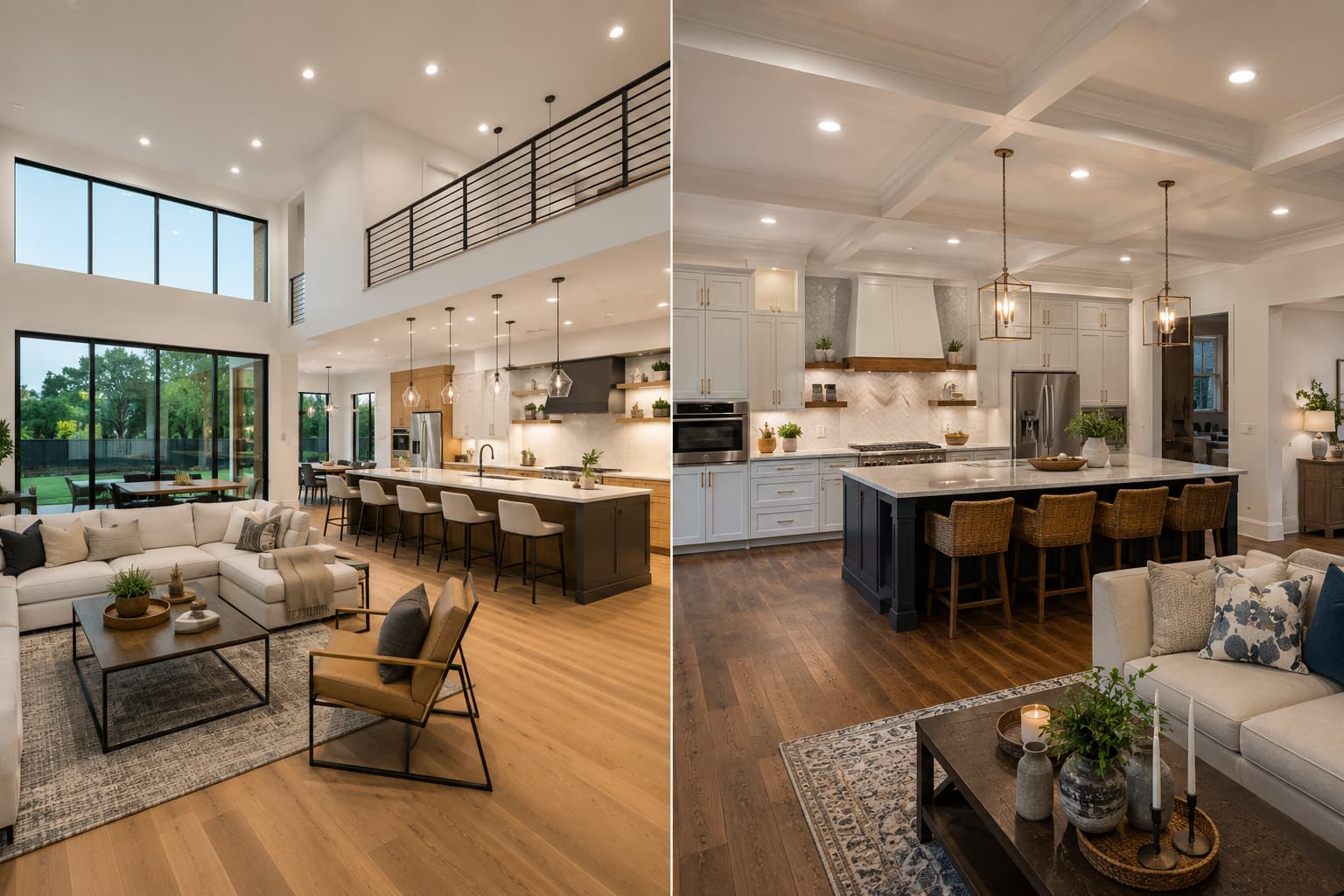
Buying a New Home vs Remodeling: A Side-by-Side Comparison
The table below highlights the key differences between both options.
Factor | Remodeling | Buying a New Home |
|---|---|---|
Upfront cost | Often lower | Usually higher |
Monthly payments | Depends on financing | New mortgage may increase costs |
Customization | Fully customizable | Limited without renovations |
Moving required | No | Yes |
Timeline | Depends on project size | Depends on market and closing |
Upfront Costs
Remodeling usually requires a lower upfront investment because you're improving a home you already own.
Buying a new home includes a down payment, lender fees, inspections, and moving costs before you begin making it your own. If you're comparing renovation costs, this guide on home remodeling costs provides a helpful starting point.
Timeline and Project Complexity
Buying a home can take weeks or months depending on the market and financing process.
A remodeling timeline depends on the project's size, permits, and construction schedule. While larger renovations take time, you avoid the stress of house hunting and relocating.
Customization and Lifestyle Flexibility
Remodeling gives you complete control over the design of your home.
You can update your kitchen, expand living spaces, or improve functionality based on your family's needs. Buying another home may still require renovations if it doesn't fully match your lifestyle.
For inspiration, explore these Los Angeles home remodeling ideas before planning your project.
Long-Term Value and Equity
Both options can increase your long-term wealth.
Buying allows you to benefit from future property appreciation, while remodeling adds value by improving your home's functionality, appearance, and market appeal. The better investment depends on your goals and how long you plan to stay in the home.
Potential Return on Investment
Well-planned renovations can improve both daily living and resale value.
Kitchen remodels, bathroom renovations, and whole-home updates are popular projects because they enhance comfort while making a home more attractive to future buyers. When deciding between buying a new home vs. remodeling, consider both the financial return and the value of creating a home that better fits your lifestyle.
When Remodeling Is the Better Choice
Remodeling is often the better investment when you like where you live but your home no longer meets your needs. Instead of starting over, you can improve your current home and tailor it to your lifestyle.
You Love Your Neighborhood
Moving doesn't always mean finding a better location. If you enjoy your neighborhood, schools, commute, or community, remodeling allows you to stay where you're comfortable while upgrading your home.
For many homeowners, the benefits of home remodeling go beyond improving appearance. Renovating can increase functionality, enhance comfort, and add long-term value without the challenges of moving.
Your Home Has Good Structural Potential
A home with a strong foundation and sound structure is often an excellent candidate for renovation.
Updating the layout, kitchen, bathrooms, or living areas can transform how the home looks and functions. A complete home remodeling project also allows multiple improvements to be completed together, creating a more cohesive and efficient living space.
You Want to Modernize Without Moving
If your home feels outdated but still has good bones, remodeling can give it a fresh, modern look.
Features like open-concept layouts, larger kitchens, updated bathrooms, energy-efficient upgrades, and smart storage solutions can improve everyday living while allowing you to remain in the home you already own.
When Buying a New Home Makes More Sense
Although remodeling is the right choice for many homeowners, there are situations where buying another home is the better investment.
Your Current Home Cannot Meet Your Long-Term Needs
If your family has outgrown the property and there isn't enough space to expand, moving may provide a better long-term solution.
For example, if you need several additional bedrooms, a larger lot, or features that can't realistically be added to your existing home, buying another property may be more practical.
Major Structural Issues Make Renovation Costly
Some homes require extensive repairs before remodeling can even begin.
Foundation damage, major water intrusion, or outdated structural systems can significantly increase renovation costs. When repair expenses become too high, comparing the total cost of renovating with purchasing another home is a worthwhile step.
You Need a Different Location or Larger Property
Sometimes the decision has less to do with the house and more to do with your lifestyle.
A new job, shorter commute, growing family, or different school district may make relocating the better long-term choice.
How Remodeling Can Increase the Value of Your Los Angeles Home
A well-planned remodel improves more than your home's appearance. It can increase functionality, enhance daily living, and boost resale value.
Kitchen renovations, bathroom updates, improved layouts, and energy-efficient upgrades are among the projects that often deliver the greatest return. Planning the complete home renovation process carefully helps homeowners prioritize improvements, manage budgets, and avoid costly surprises.
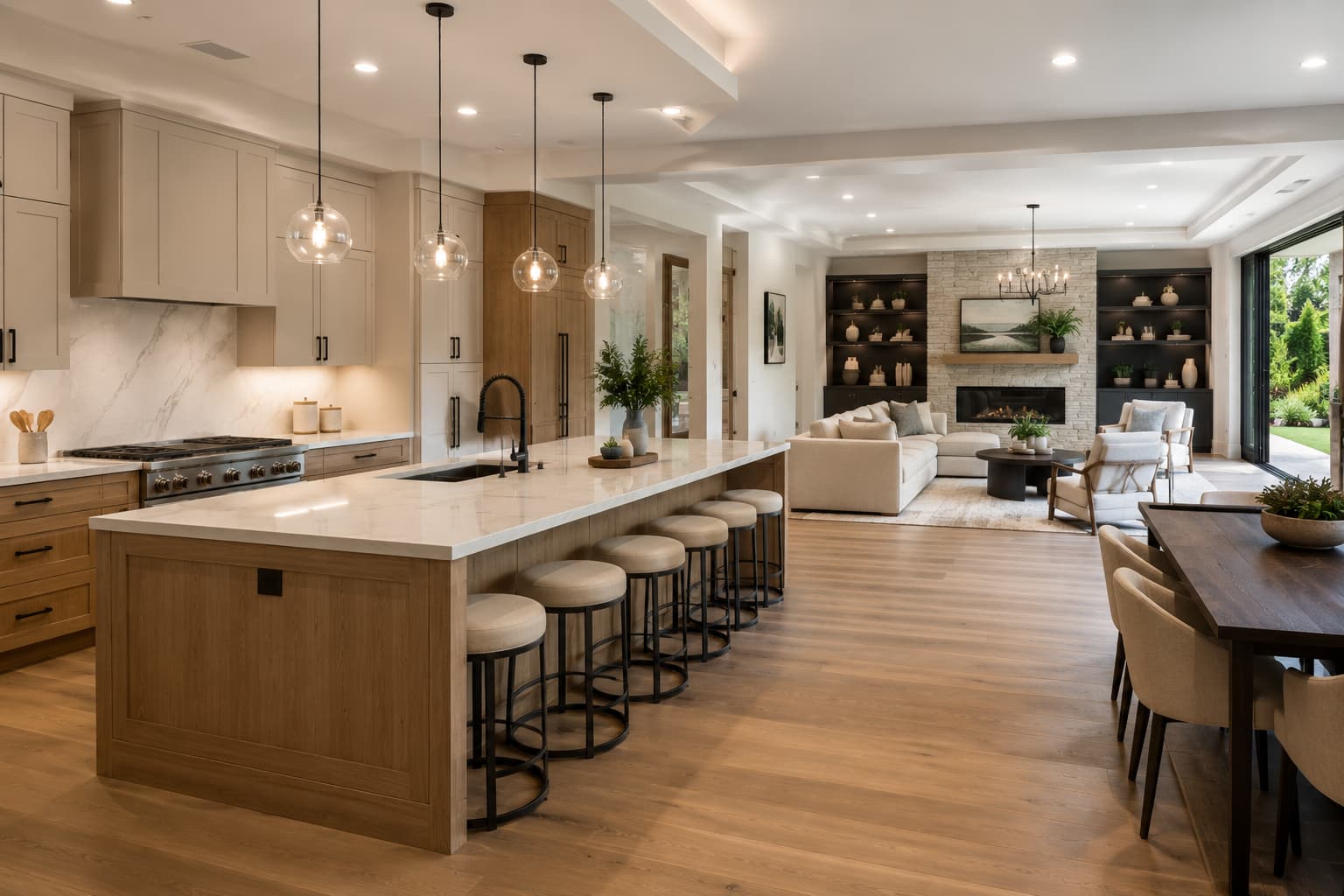
How to Decide Between Buying and Remodeling
If you're still deciding, ask yourself these questions:
- Am I happy with my current neighborhood?
- Can my existing home be updated to fit my future needs?
- Which option works better for my budget?
- How long do I plan to stay in this home?
- Will remodeling give me the space and features I want?
If you answer "yes" to most of these questions, remodeling is likely the better investment. If your home or location no longer supports your lifestyle, buying another home may make more sense.
Speaking with an experienced contractor can help you understand your home's potential and compare renovation costs before making a final decision.
Final Thoughts
So, is it cheaper to buy a new home or remodel in Los Angeles? For many homeowners, remodeling offers better value because it allows them to improve the home they already own while avoiding many of the costs associated with buying another property.
However, every situation is unique. Your home's condition, budget, and long-term goals should guide your decision. Understanding home remodel costs in Los Angeles can also make it easier to compare renovation expenses with the cost of purchasing a new home.