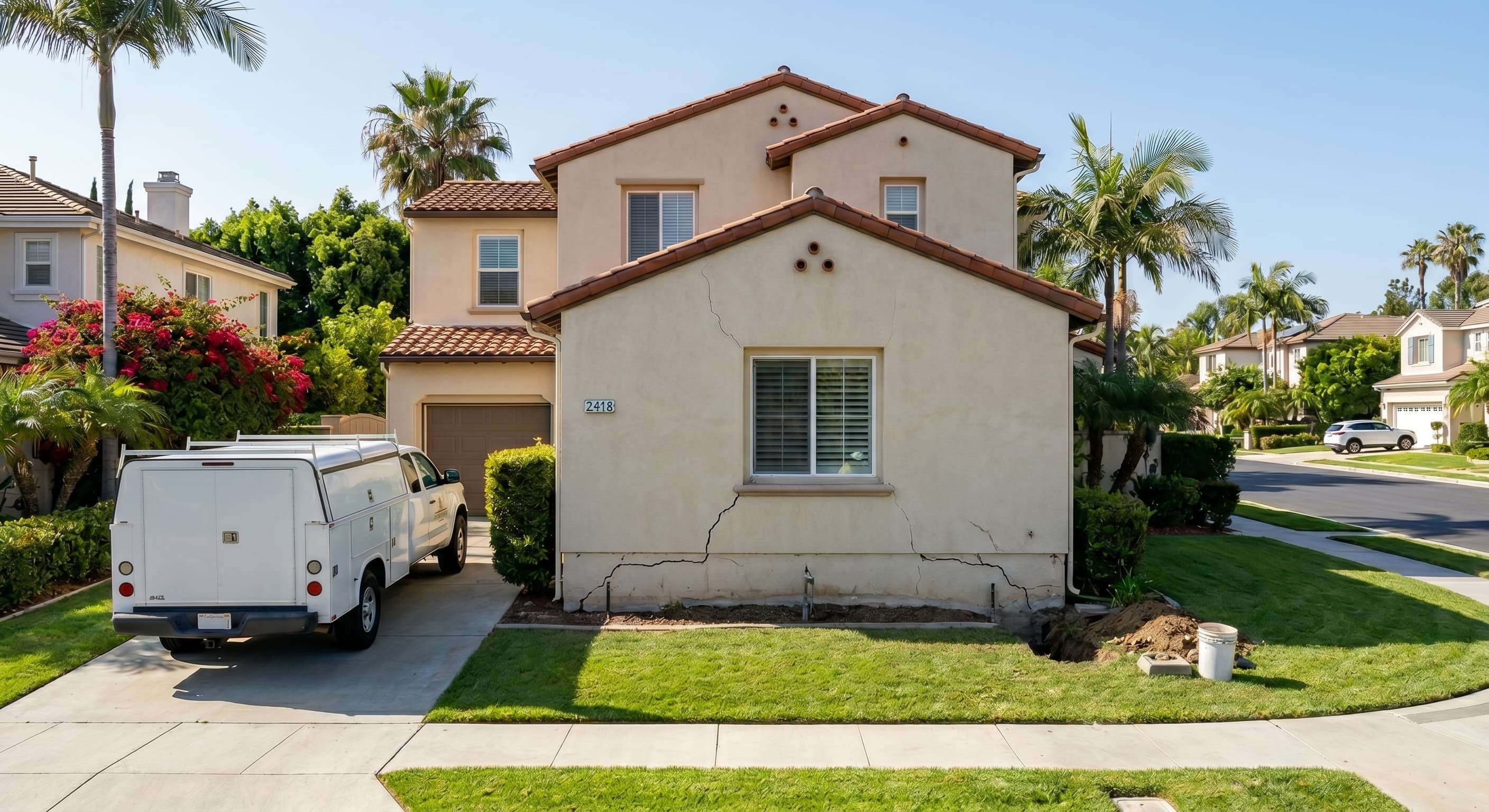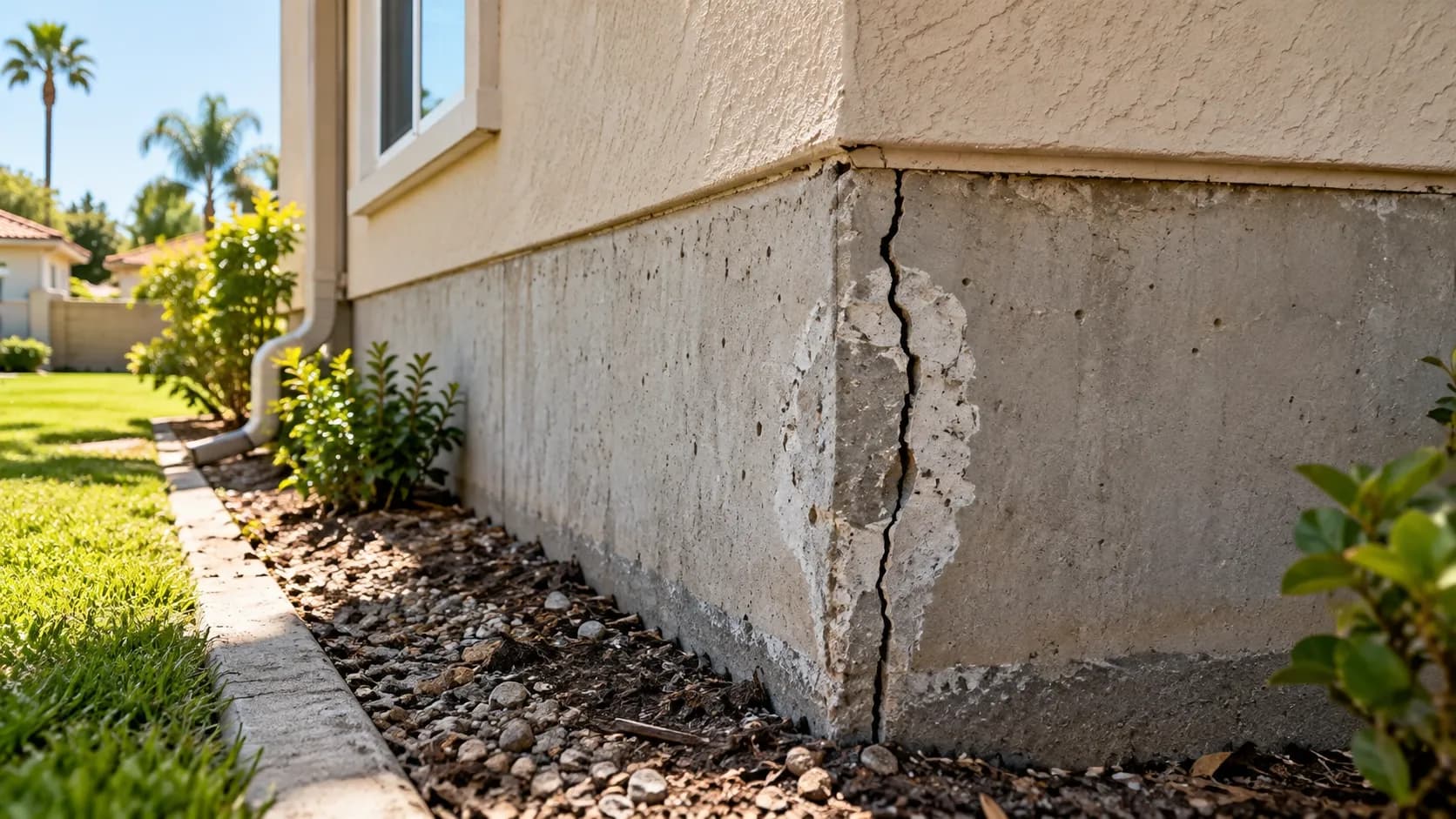
Foundation crack repair in Los Angeles depends on the crack's size, location, cause, and severity. Minor concrete cracks may be sealed with an appropriate repair material, while cracks caused by ongoing foundation movement or structural damage require professional evaluation. The right repair addresses the underlying problem rather than simply covering the visible crack.
Foundation cracks in Los Angeles homes can develop because of soil movement, moisture changes, poor drainage, plumbing leaks, or settlement. Learning to recognize different crack patterns helps homeowners understand which problems may be minor and which need prompt attention.
What Causes Foundation Cracks in Los Angeles Homes?
Foundation cracks develop when concrete or masonry experiences stress, movement, shrinkage, or changes in moisture conditions. In Los Angeles, local soil conditions, seasonal weather, drainage problems, and seismic activity can all influence foundation performance. However, the appearance of a crack alone cannot confirm its cause.
Concrete naturally shrinks as it cures, and small cracks can develop without indicating a serious structural problem. Other cracks may result from uneven support beneath a foundation or pressure against basement and retaining walls. Understanding the cause is essential because different problems require different repairs.
A crack that continues to widen, reappears after repair, or occurs alongside sticking doors and uneven floors deserves closer inspection. Water entering through a foundation wall is another concern because moisture can damage interior finishes and contribute to persistent dampness.
Before choosing a repair method, consider the building's age, drainage conditions, recent weather, and any changes around the property. These details can help a qualified professional determine whether the crack is cosmetic, moisture-related, or structural.
How to Identify Different Types of Foundation Cracks
The direction, width, location, and progression of a crack can provide clues about what is happening to your foundation. However, no single visual feature can reliably determine whether a crack is structural. Look for changes over time and other signs of movement or water intrusion.
Hairline Cracks and Minor Shrinkage Cracks
Hairline cracks are very narrow openings that can develop as concrete cures and shrinks. They may appear in foundation walls, slabs, or concrete surfaces and do not always indicate a structural problem.
Minor shrinkage cracks are often relatively stable and may not affect the foundation's ability to support the home. However, even a narrow crack deserves attention if water passes through it or if it begins to grow.
To monitor a crack, photograph it, record its location, and note the date. Check periodically for changes in width, length, or surrounding conditions. Avoid assuming a crack is harmless simply because it looks small.
Horizontal, Vertical, and Diagonal Foundation Cracks
Different crack patterns can suggest different sources of stress.
- Vertical foundation cracks: These may result from concrete shrinkage or settlement. Their significance depends on their width, movement, location, and associated symptoms.
- Horizontal foundation cracks: These can indicate lateral pressure against a foundation wall, including pressure from surrounding soil. Bowing or displacement of the wall increases concern and warrants prompt professional evaluation.
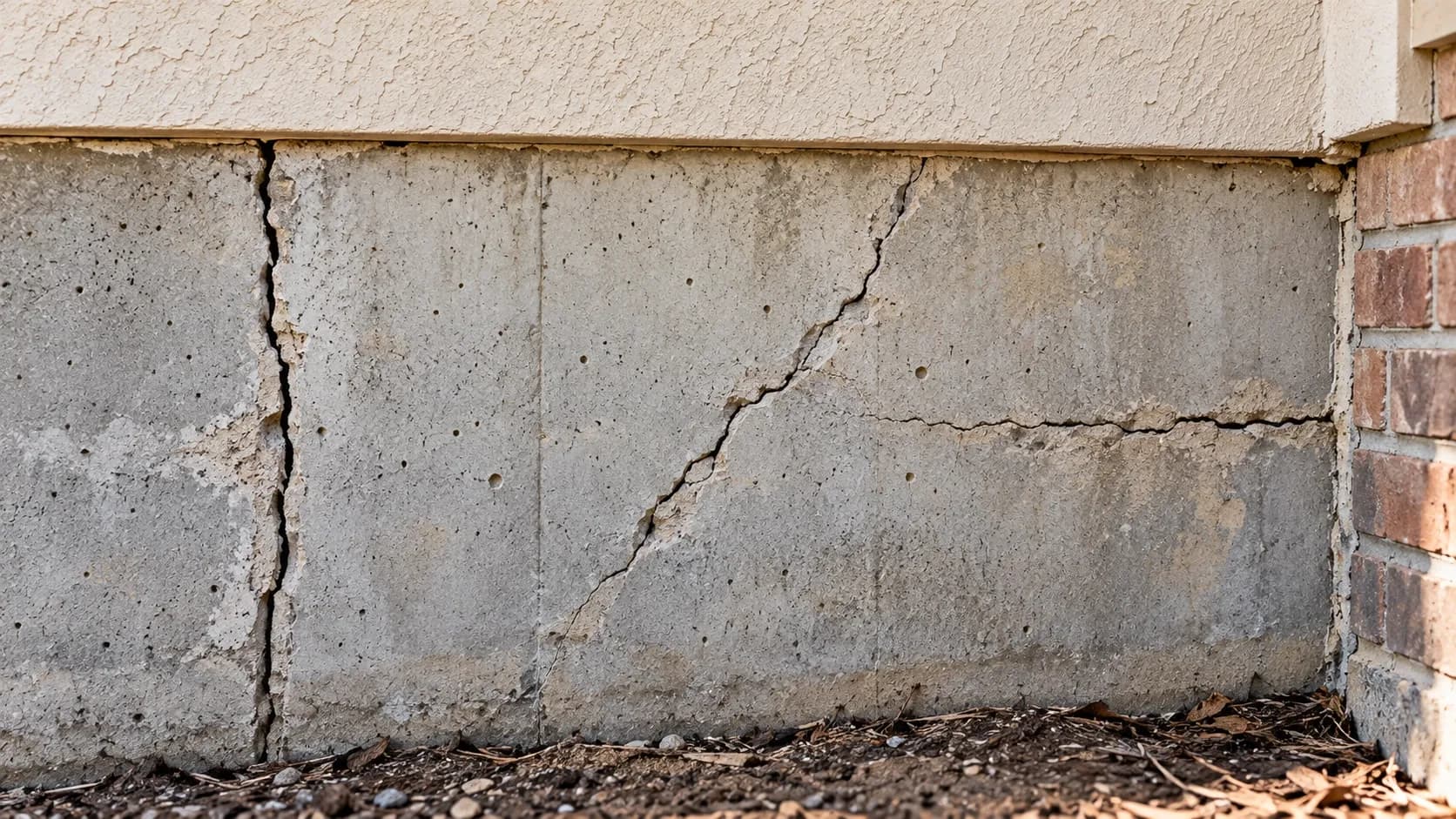
- Diagonal foundation cracks: These may develop when parts of a structure settle or move unevenly. Their position and direction can help a professional investigate the cause.
Pay particular attention to cracks accompanied by bulging walls, sloping floors, or doors and windows that suddenly become difficult to operate. These symptoms can indicate movement beyond a surface-level issue.
Stair-Step Cracks in Brick and Concrete Block Foundations
Stair-step cracks follow the mortar joints between bricks or concrete blocks. They may develop when sections of a foundation settle unevenly or when masonry experiences movement.
A small, stable crack does not automatically mean the foundation is failing. However, a widening pattern, displaced blocks, or multiple cracks around doors and windows may indicate a more serious problem.
Inspect both the interior and exterior where accessible. If the crack is growing or the masonry appears displaced, arrange a professional assessment before attempting cosmetic repairs.
How to Repair Foundation Cracks Based on Their Type and Severity
The best repair method depends on the material, the source of the crack, and whether movement is continuing. Sealing a stable crack can help control moisture, but it will not correct an unstable foundation or excessive soil pressure.
Sealing Minor Concrete Foundation Cracks
Small, stable cracks in concrete may be suitable for repair with an appropriate concrete crack filler, sealant, or injection product. The correct material depends on the crack's width, depth, location, and exposure to moisture.
For a minor, nonstructural crack, the general process includes:
- Clean the crack and remove loose concrete, dust, and debris as directed by the product manufacturer.
- Confirm that the selected repair material is suitable for the concrete surface and the crack conditions.
- Apply the material according to the manufacturer's instructions, including any requirements for surface preparation and curing.
- Monitor the repaired area for renewed cracking or water intrusion.
Do not simply cover a crack with paint or patching compound if its cause is unknown. A surface repair may hide the evidence without addressing an underlying problem.
Repairing Water-Leaking Foundation Cracks
Water entering through a foundation crack requires more than a cosmetic patch. The repair should address both the opening and the conditions allowing water to reach it.
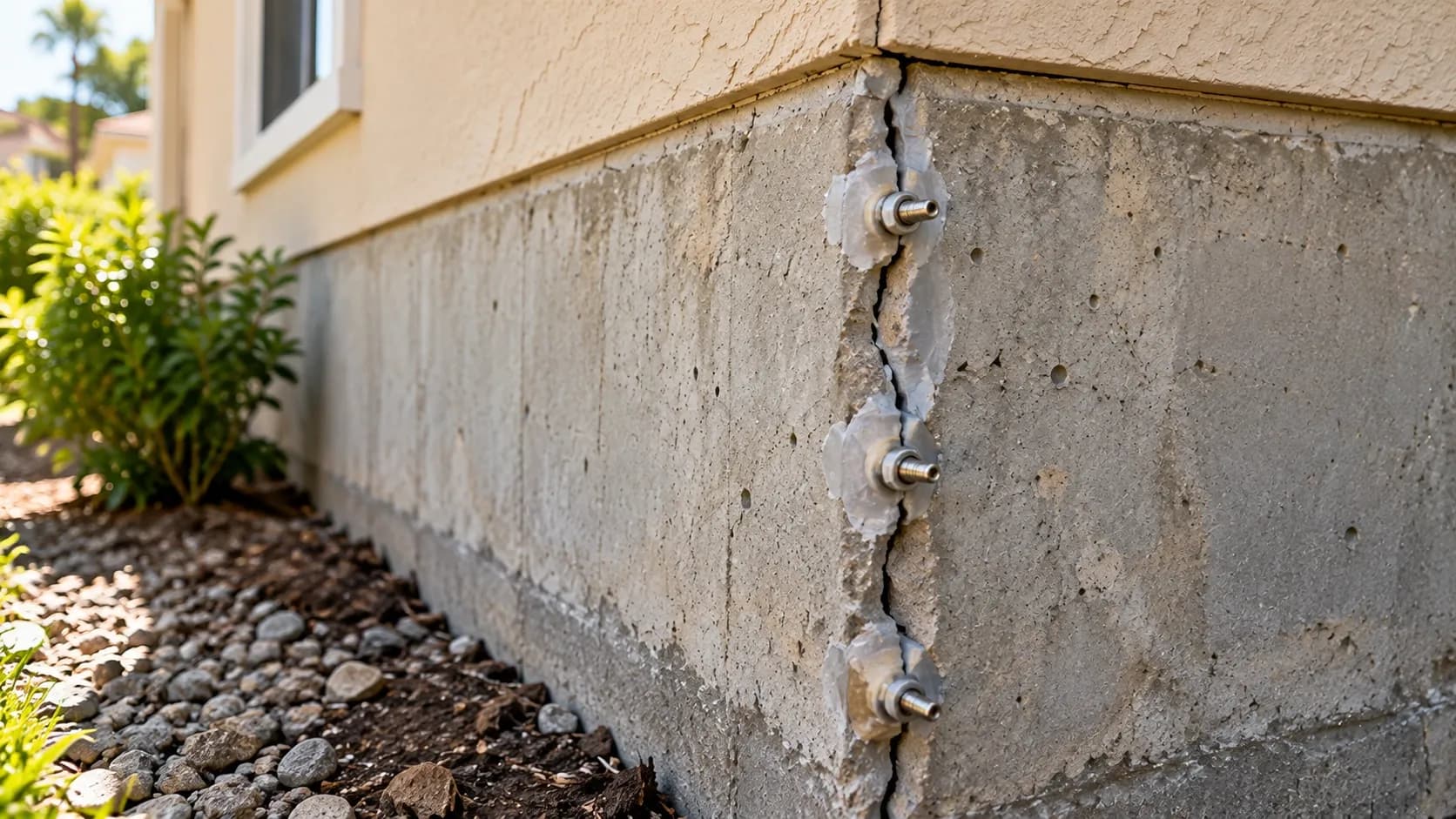
For suitable cracks in concrete, professionals may use polyurethane injection to seal water pathways or epoxy injection where the application and structural requirements make it appropriate. These materials serve different purposes, so they should not be treated as interchangeable solutions.
Exterior waterproofing, drainage improvements, or other measures may also be necessary, depending on the source of the water. For example, a leaking downspout or poor surface grading can direct runoff toward the foundation and undermine an otherwise effective repair.
If water intrusion continues after sealing, investigate the drainage and moisture conditions rather than repeatedly applying sealant. Persistent leaks, damp walls, or recurring water entry warrant professional evaluation.
Addressing Structural Cracks and Foundation Movement
Structural cracks require an assessment of the forces causing the damage. Simply filling the opening will not correct ongoing settlement, lateral pressure, or inadequate foundation support.
Depending on the findings, a repair plan may involve drainage corrections, soil stabilization, underpinning, foundation reinforcement, or other engineered measures. Not every home needs these interventions; the appropriate solution depends on the actual cause and extent of the movement.
If a wall is bowing, concrete is separating, or cracks are rapidly widening, avoid attempting a cosmetic repair first. Significant movement may require evaluation by a structural engineer or another qualified foundation specialist.
The goal is to stabilize the underlying condition where necessary and then repair the damaged concrete or masonry. This approach helps reduce the risk of recurring cracks and repeated repair expenses.
When Should You Call a Foundation Repair Contractor?
Contact a foundation repair contractor when cracks are growing, water continues to enter, or the damage appears alongside other signs of movement. Prompt evaluation is especially important when the foundation wall is bowing, masonry is displaced, or floors have developed noticeable slopes.
If you suspect significant structural movement, consult a qualified structural engineer when appropriate. A contractor can then use the assessment findings to determine the necessary repair scope.
When comparing contractors, ask what they believe caused the crack, what evidence supports their recommendation, and whether the proposed work addresses the underlying problem. Request a written scope that distinguishes necessary structural work from cosmetic patching.
For homeowners planning foundation work, a clear consultation and construction plan can help establish the next steps. You can contact Goldenline Construction to discuss your foundation concerns and potential repair needs.
Can Foundation Cracks Affect Your Home's Safety and Resale Value?
Foundation cracks can affect safety and resale value, but their impact depends on their cause and severity. A small, stable shrinkage crack is not equivalent to a crack associated with ongoing settlement or a bowing foundation wall.
Significant structural damage may affect the stability of parts of a home, while persistent moisture can damage finishes and contribute to indoor dampness. These problems may also raise questions during a property inspection or sale.
If you plan to sell your home, document known foundation repairs and retain relevant inspection reports, invoices, and permits where applicable. Clear records can help prospective buyers understand the nature of the problem and the work completed.
Conclusion
Repairing foundation cracks in Los Angeles starts with identifying the likely cause, assessing the severity, and choosing a repair method suited to the problem. Minor, stable cracks may need only suitable sealing, while active water intrusion or structural movement requires a more complete solution.
Monitor changes, investigate drainage problems, and seek professional help when cracks widen or appear alongside other warning signs. If you are concerned about your home's foundation, a qualified assessment can help you understand the damage and plan the next steps.