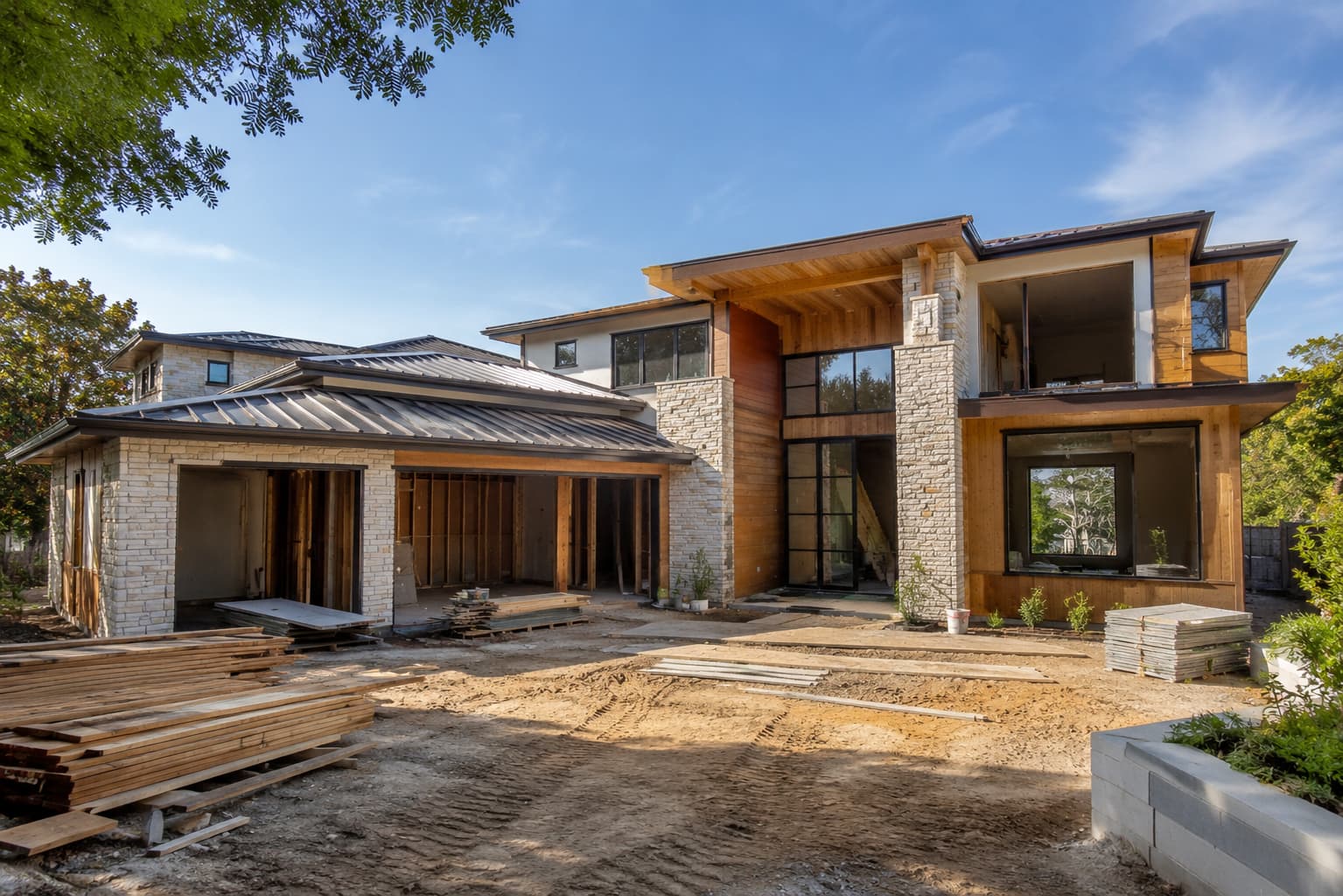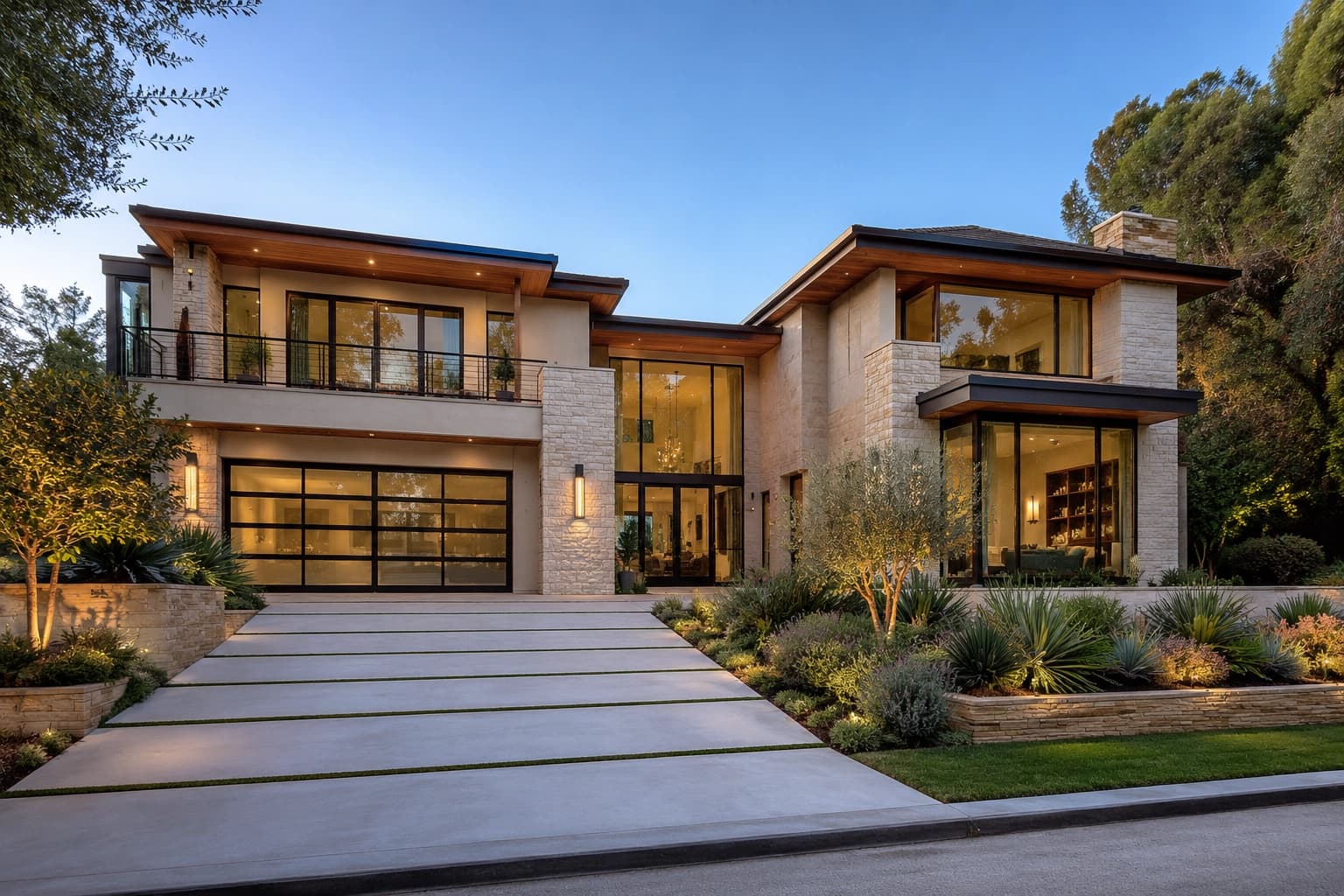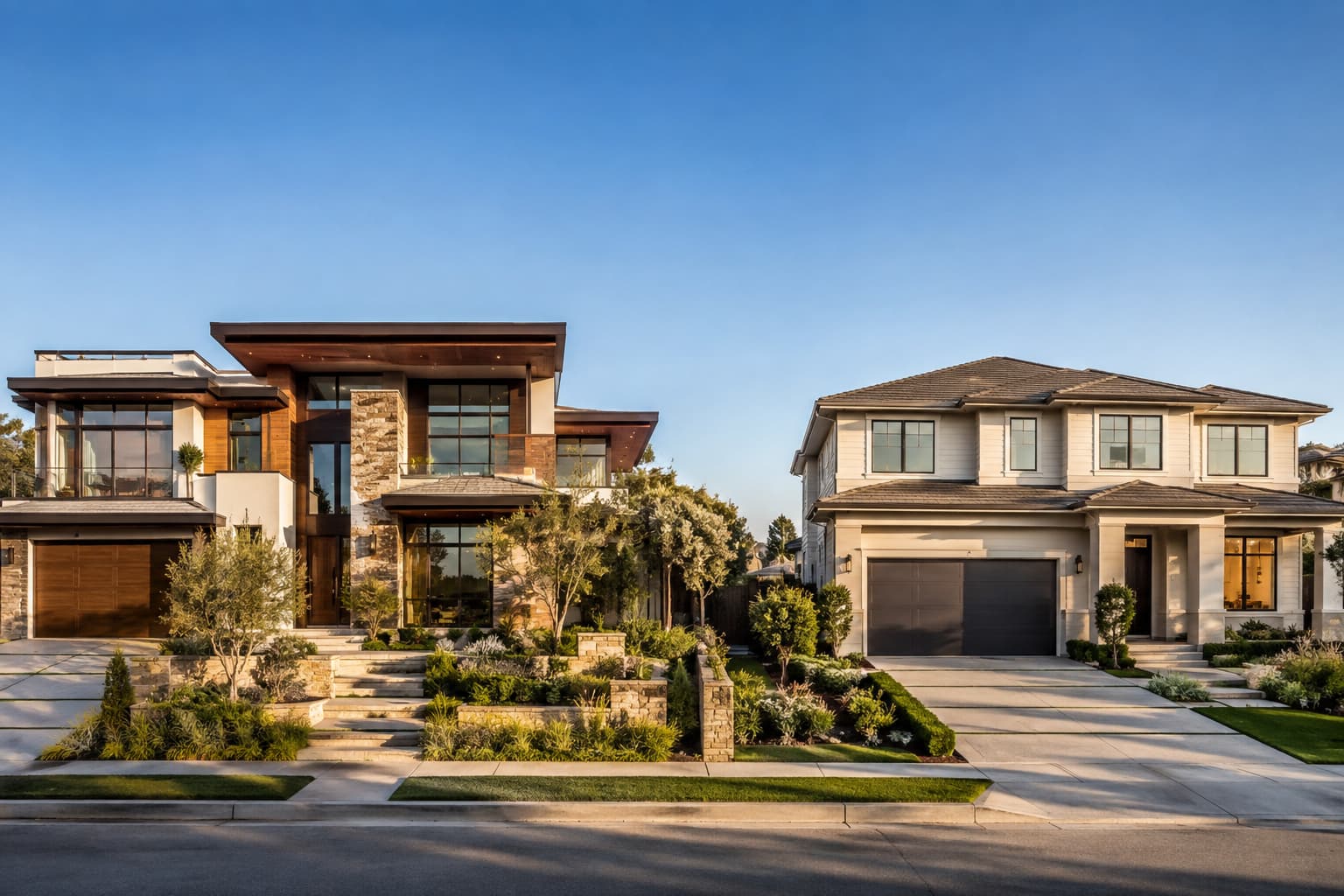
Choosing between a custom home and a production builder depends on how much control you want over the design, how flexible your budget is, and how quickly you want to move into your new home. A custom home offers greater personalization, while a production builder typically provides a more standardized and streamlined process.
The right choice depends on your priorities rather than one option being universally better. Understanding the differences in design, materials, construction, costs, and timelines can help you make a confident decision before starting your new home construction project.
What Is the Difference Between a Custom Home and a Production Home?
A custom home is designed and built around the homeowner's specific needs, property, lifestyle, and preferences. You typically have much more control over the floor plan, room sizes, finishes, materials, architectural details, and specialized features.
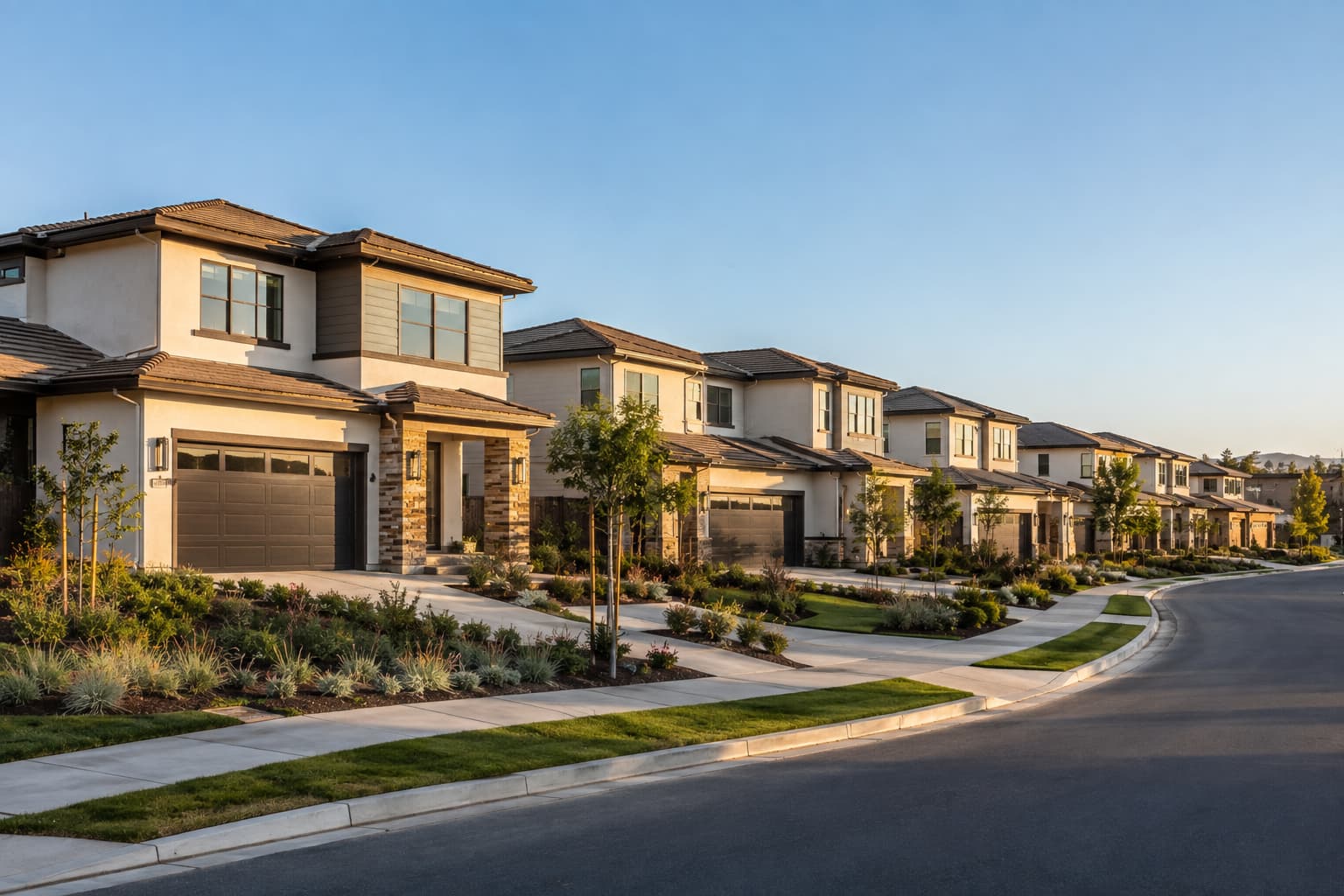
A production home follows a set of plans developed by a production builder. Buyers usually choose from several established floor plans and may select from a predetermined range of finishes, fixtures, appliances, and upgrades.
The biggest difference is flexibility. Custom home construction gives you greater freedom, while production home construction emphasizes efficiency, repeatable processes, and predictable choices.
Factor | Custom Home | Production Home |
|---|---|---|
Floor plan | Highly flexible | Predetermined options |
Design control | Extensive | Limited to available options |
Materials | Broad selection | Builder-selected options |
Custom features | Highly flexible | Usually limited |
Construction process | More personalized | More standardized |
Budget | More variable | Generally more predictable |
For homeowners who want a home designed around their exact lifestyle, working with a dedicated custom home builder can provide significantly more design flexibility.
Custom Home vs Production Builder: How They Compare
When comparing a custom home vs production builder, look beyond the initial purchase or construction price. Design flexibility, materials, construction methods, timeline, and long-term satisfaction can all influence the overall value.
Design and Floor Plan Flexibility
Custom home design allows you to create spaces around the way you actually live. You can adjust room dimensions, ceiling heights, window placement, storage, circulation, and the relationship between indoor and outdoor areas.
A production builder generally offers a selection of established floor plans. Some modifications may be available, but major structural changes are usually more restricted.
For example, a family that wants a larger home office, an oversized kitchen, a dedicated media room, or a multigenerational suite may benefit from the flexibility of custom home building.
Materials, Finishes, and Features
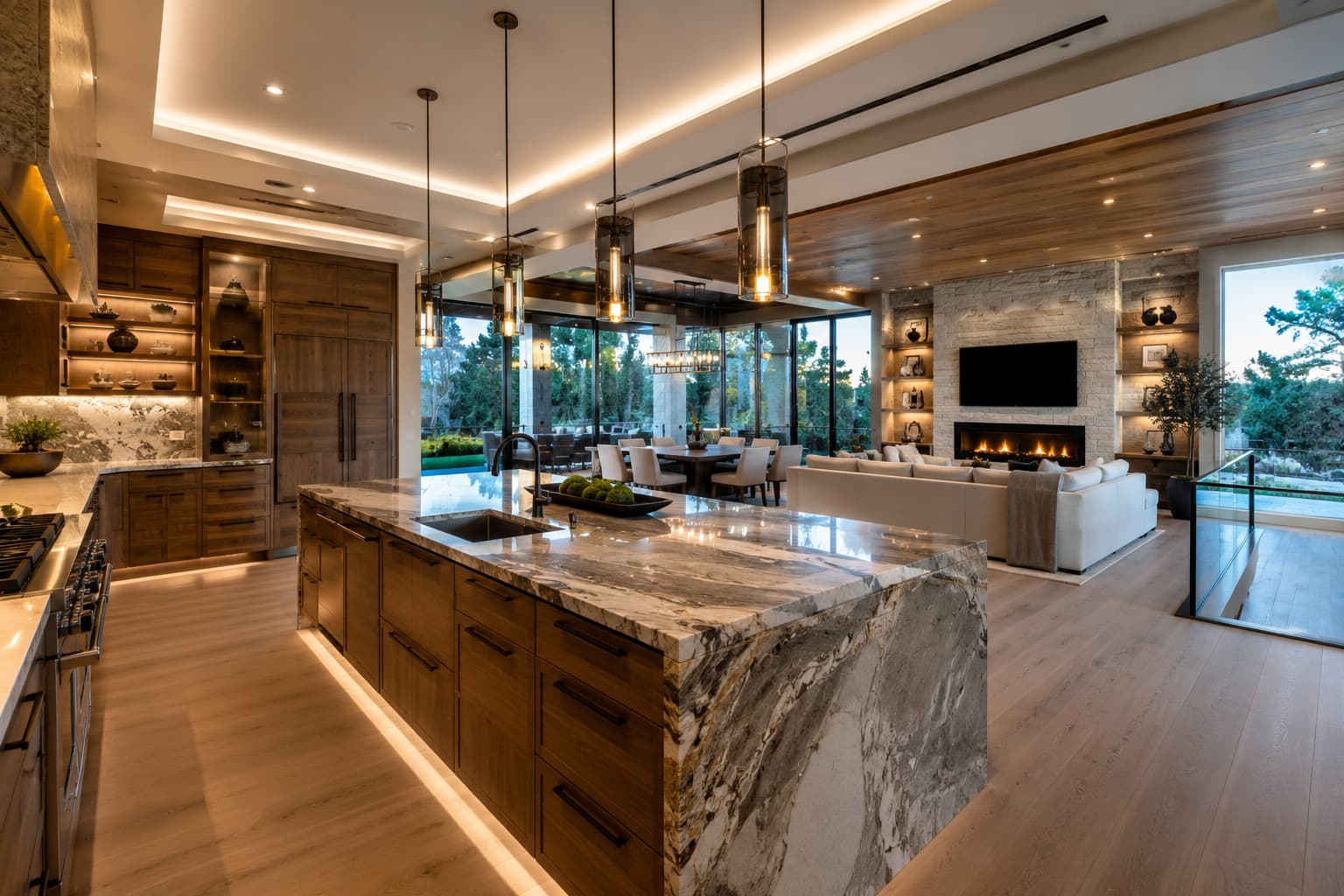
With a custom home, you can typically select materials and finishes based on your preferences and project requirements. This can include flooring, cabinetry, countertops, windows, doors, lighting, plumbing fixtures, and architectural details.
Production builders often provide packages or upgrade levels. These can simplify decisions, but your choices are generally limited to what the builder offers.
This makes the custom approach attractive when specific materials, design details, or specialized features are important to you.
Construction Timeline and Process
A custom home construction process usually involves more planning before construction begins. Architectural design, engineering, material selections, permitting, and site preparation all need to be coordinated.
Because of this, custom projects can take longer than standardized production construction. However, the additional planning gives homeowners greater control over the finished result.
The actual timeline varies by project, location, design complexity, permitting requirements, and site conditions. Understanding each stage before construction starts can make the process easier to manage.
Cost and Budget Considerations
Custom home costs can vary significantly because the homeowner has more control over the size, materials, finishes, systems, and design complexity. A highly customized home with premium materials can cost substantially more than a simpler project.
Production home costs are often easier to estimate because builders work from established plans and predefined options. However, upgrades, lot costs, landscaping, and other additions can still affect the final price.
For a custom project, detailed financial planning is especially important because design decisions made early can influence construction costs later.
Benefits of Building a Custom Home
Custom home construction is especially appealing when your priority is creating a property that feels specifically designed for your lifestyle rather than adapting your needs to an existing plan.
Complete Design Freedom
One of the biggest custom home benefits is design freedom. You can plan the home around your property, daily routines, family needs, and long-term goals.
Instead of selecting the closest available floor plan, you can determine how spaces connect and how the home functions.
This flexibility can be particularly valuable when building on a unique lot with specific views, slopes, access points, or outdoor living opportunities.
Personalized Features and Layout
A custom home can incorporate features that may not be available through a production builder.
Depending on the project, homeowners can plan for:
- Larger or specialized kitchens
- Dedicated home offices
- Expanded storage
- Custom entertainment spaces
- Indoor-outdoor living areas
- Accessibility features
- Guest or multigenerational suites
The goal is to make the home work for the people living in it rather than forcing daily routines into a predetermined layout.
Greater Control Over Materials and Quality
Custom construction also provides more control over material selections and design details. You can make decisions based on appearance, durability, maintenance, performance, and budget.
That does not mean every custom material is automatically better. The important advantage is having more opportunities to choose materials that fit your priorities.
Benefits of Choosing a Production Builder
A production builder can be the better option for homeowners who value simplicity, predictable choices, and an established construction process.
More Predictable Costs
Production builders typically work with established floor plans, specifications, and upgrade packages. This can make budgeting easier because many major decisions are already defined.
However, buyers should still review what the base price includes and which features cost extra.
Understanding allowances, upgrades, site costs, and other potential expenses is important when comparing production home costs.
Faster and Streamlined Construction
Because production builders repeat established designs and construction processes, they can often streamline several stages of a project.
Plans, material selections, subcontractor coordination, and construction procedures may already be standardized. This can reduce the number of decisions homeowners need to make.
However, construction schedules can still change because of permitting, material availability, weather, inspections, and site conditions.
Proven Floor Plans and Communities
Production builders often provide multiple floor plans designed for different household sizes and lifestyles. Buyers can compare established layouts without starting the design process from scratch.
This can be a practical choice if you find a floor plan that already meets most of your needs and you do not require extensive customization.
Which Building Option Is Right for Your Home?
The best choice between a custom home or production home depends on your priorities.
A custom home may be the better fit if you:
- Want extensive control over the floor plan
- Have specific architectural preferences
- Need specialized rooms or features
- Are building on a unique property
- Want greater control over materials and finishes
A production home may make more sense if you:
- Prefer an established floor plan
- Want a more streamlined process
- Have limited interest in design decisions
- Prefer standardized options
- Want greater predictability during planning
Your lot also matters. A challenging site, unusual dimensions, slope, or specific orientation may make a customized design more practical.
Conclusion
The choice between a custom home vs production builder ultimately comes down to control, flexibility, budget, and convenience. Custom home building gives you greater freedom to create a property around your lifestyle, while production construction can provide a more standardized and streamlined path to a new home.
Before choosing, compare the complete scope of each option rather than focusing only on the starting price. Consider your property, design priorities, timeline, budget, and long-term plans.
For homeowners who want a personalized design and greater control over the building process, a carefully planned custom project can provide lasting value.