Building a swimming pool in Los Angeles typically takes around 4 to 6 months from initial planning to the first swim. The schedule includes design, engineering, permits, excavation, structural work, finishing, equipment installation, and final startup.
A straightforward project may finish sooner, while hillside properties, custom designs, permit corrections, and material delays can extend the schedule. The important distinction is that pool construction does not begin when excavation starts. Planning and permitting can take several weeks before crews begin physical work.
Below is a practical phase-by-phase timeline to help Los Angeles homeowners understand how long each stage may take and what can affect the completion date.
How Long Does It Take to Build a Pool in Los Angeles?
For planning purposes, many residential in-ground pool projects take approximately 16 to 24 weeks from design to first swim. This is a broad estimate, not a guaranteed construction schedule. Some projects take longer when engineering, approvals, or site conditions are complicated.
Here is a general timeline for a typical residential concrete or gunite pool:
Construction stage | Estimated duration |
|---|---|
Design and engineering | 2–4 weeks |
Permits and plan approval | 4–10+ weeks |
Excavation and site preparation | 2–5 days |
Steel, plumbing, and electrical rough-in | 1–2 weeks |
Gunite or shotcrete application and initial curing | 1–2 weeks |
Tile, coping, and decking | 2–4 weeks |
Equipment and interior finish | 1–2 weeks |
Filling, startup, and final inspections | 1–2 weeks |
These stages do not always happen independently. Some preparation and equipment work can overlap, while inspections and curing requirements create necessary waiting periods. The permit stage is often the biggest scheduling variable in Los Angeles.
The Complete Pool Construction Timeline: From Design to First Swim
A pool project moves through several stages, with each one preparing the property for the next. The following breakdown explains what happens and how much time homeowners should allow.
Design, Site Evaluation, and Engineering
Estimated time: 2–4 weeks
The first stage involves measuring the yard, reviewing access, and developing the pool layout. Your contractor evaluates slopes, drainage, soil conditions, utilities, and available construction space.
You will also choose the pool's shape, depth, steps, finishes, and optional features. Structural engineering may be necessary, especially for hillside properties or complex designs.
Finalize major selections during this stage. Changing the pool dimensions or adding a spa after engineering begins can require revised drawings and additional review time.
Pool Permits, Plan Checks, and Approvals
Estimated time: 4–10 weeks or longer
Once the plans are ready, they are submitted to the relevant local building department. Review may include structural details, zoning clearances, plumbing, electrical work, and safety barriers.
For properties within the City of Los Angeles, the Los Angeles Department of Building and Safety requires plan review for in-ground pools and spas. Even standard pool plans must undergo review before permit issuance.
Other cities in Los Angeles County have their own procedures and review schedules. Corrections or missing documents can extend this phase, so avoid treating the permit period as a guaranteed number of weeks.
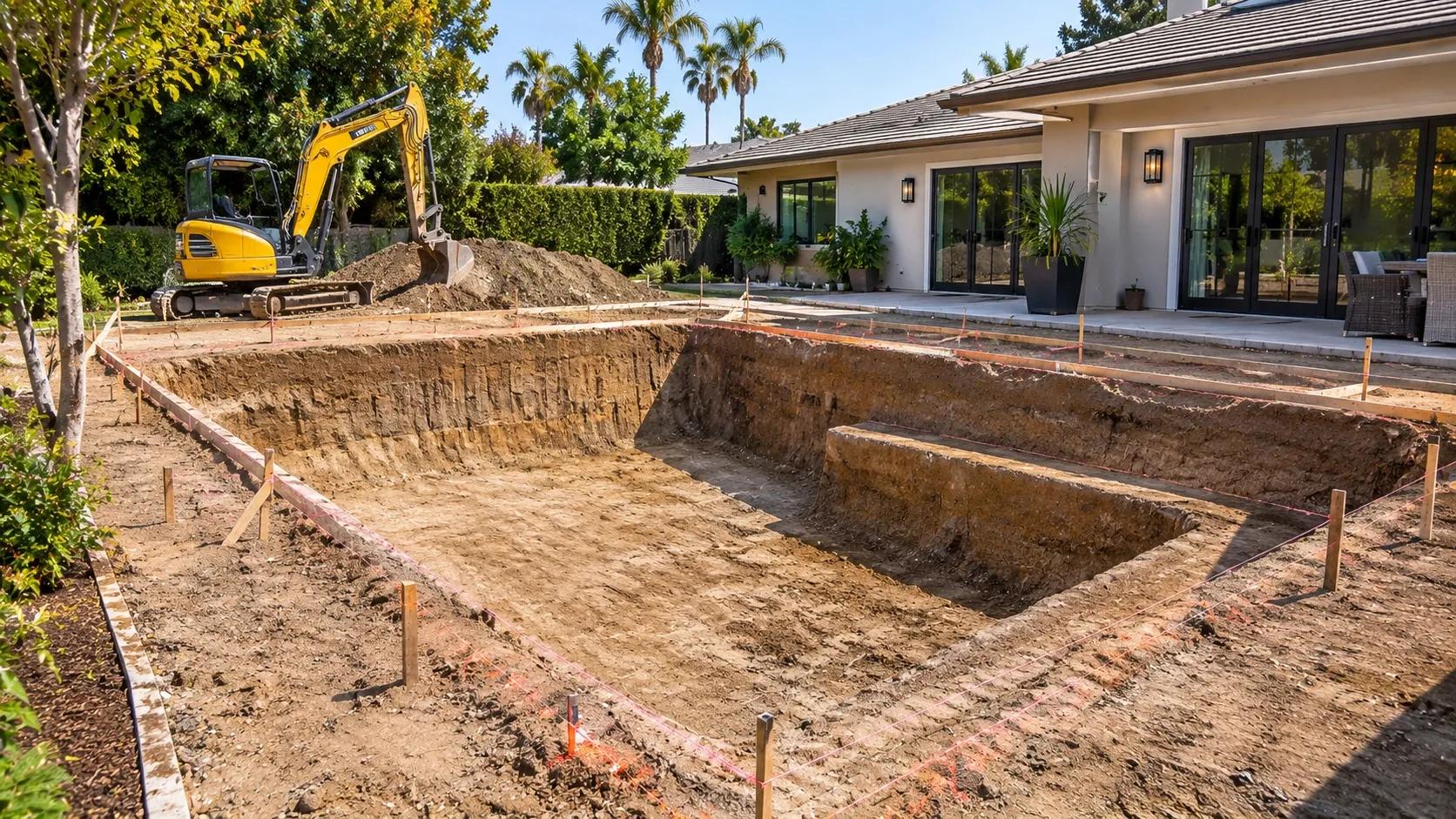
Excavation and Site Preparation
Estimated time: 2–5 days
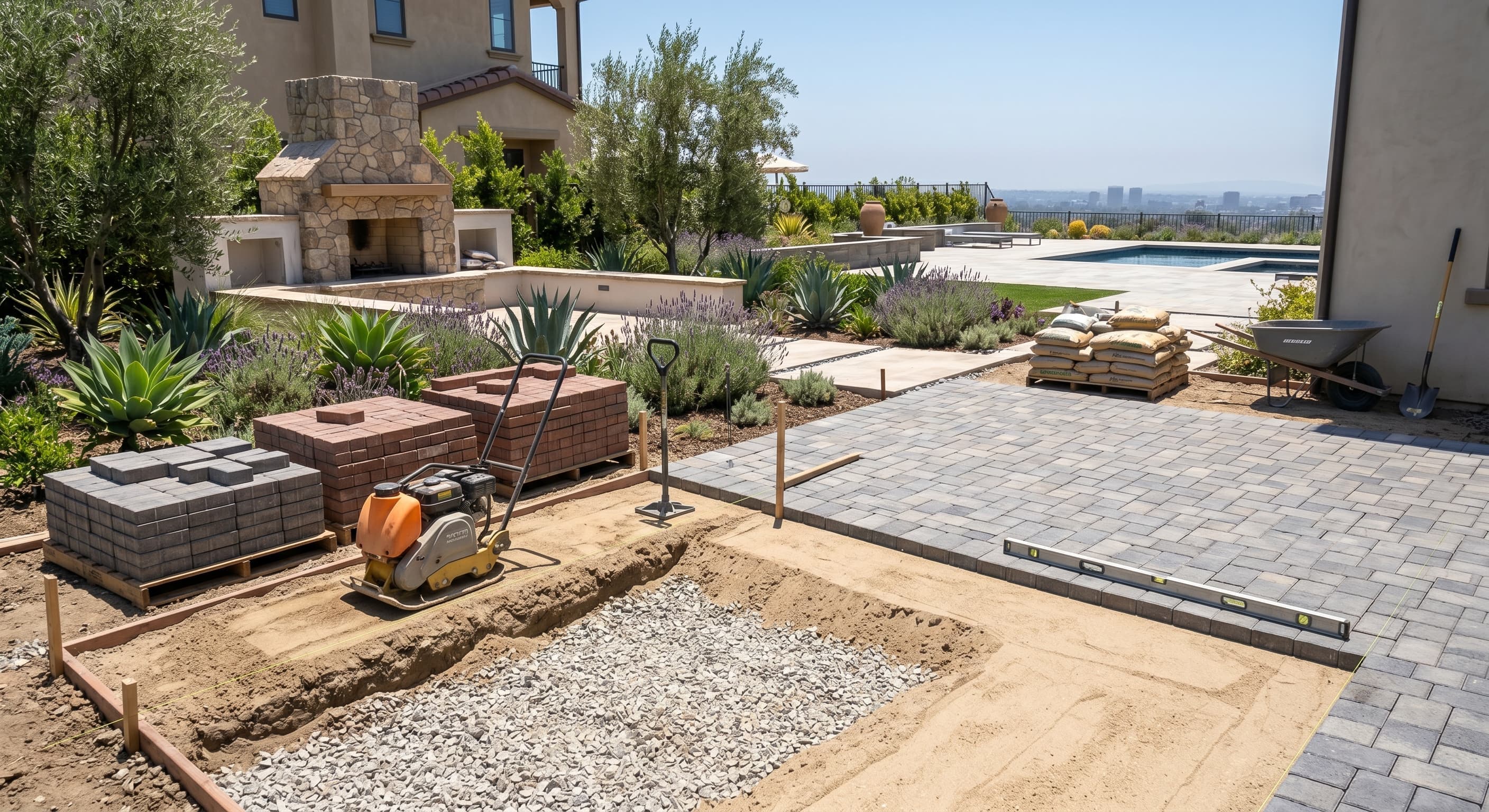
After the required approvals, the contractor marks the pool layout and prepares the yard. Excavation equipment removes soil to create the planned dimensions and depth.
A standard, accessible property may take only a few days to excavate. Rocky ground, difficult equipment access, retaining walls, or extensive soil removal can add time.
The contractor also coordinates utility locations and soil disposal before structural work begins.
Steel Reinforcement, Plumbing, and Electrical Installation
Estimated time: 1–2 weeks
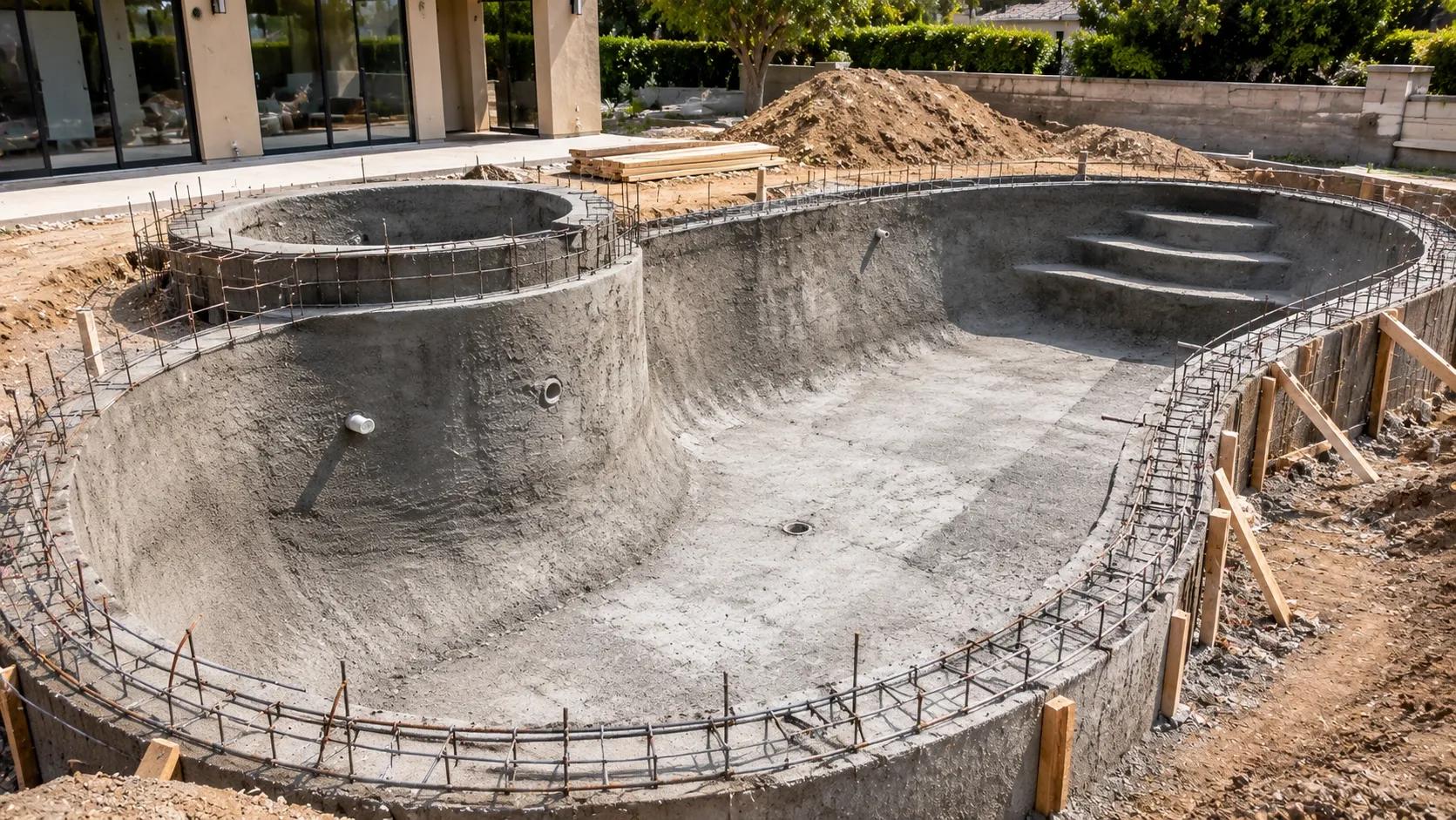
After excavation, workers install the steel reinforcement that supports the concrete pool shell. They also position plumbing lines for drains, skimmers, returns, and water features.
Electrical preparation includes bonding, lighting connections, and other required components. Inspections or pressure tests may need to happen before the shell is applied.
This stage requires coordination between trades. Missing an inspection or discovering a plumbing issue can delay the next construction phase.
Gunite or Shotcrete Application and Curing
Estimated time: 1–4 weeks, depending on curing requirements
Gunite or shotcrete application itself may take only a day for a typical residential pool. However, the shell needs additional time to cure properly before subsequent finishing work.
The contractor must follow the specified curing method and schedule. Weather, material specifications, and project requirements can influence the process.
Do not confuse the application time with the complete shell phase. The concrete may look finished quickly, but curing is an essential part of the construction timeline.
Pool Tile, Coping, and Decking Installation
Estimated time: 2–4 weeks
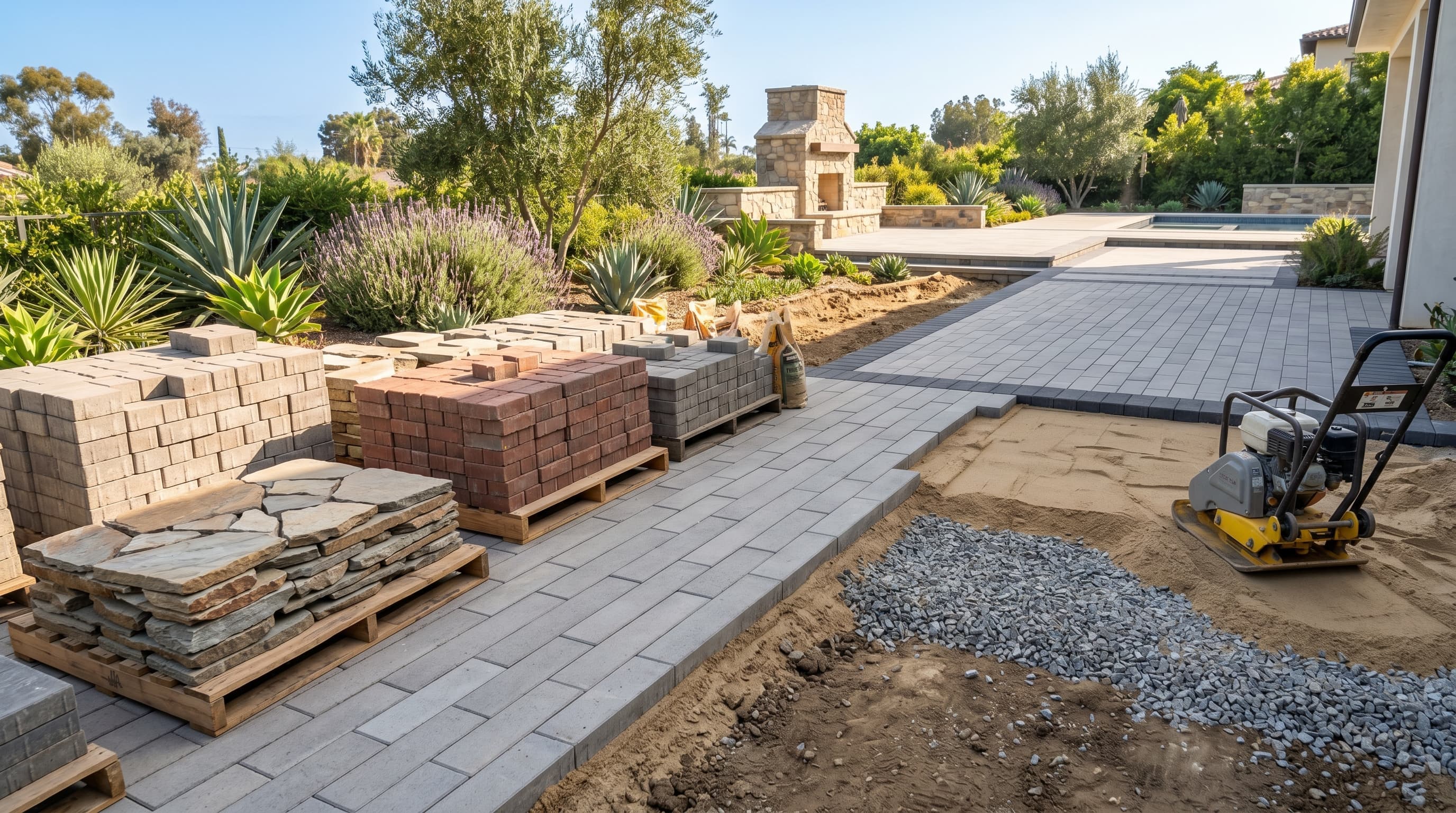
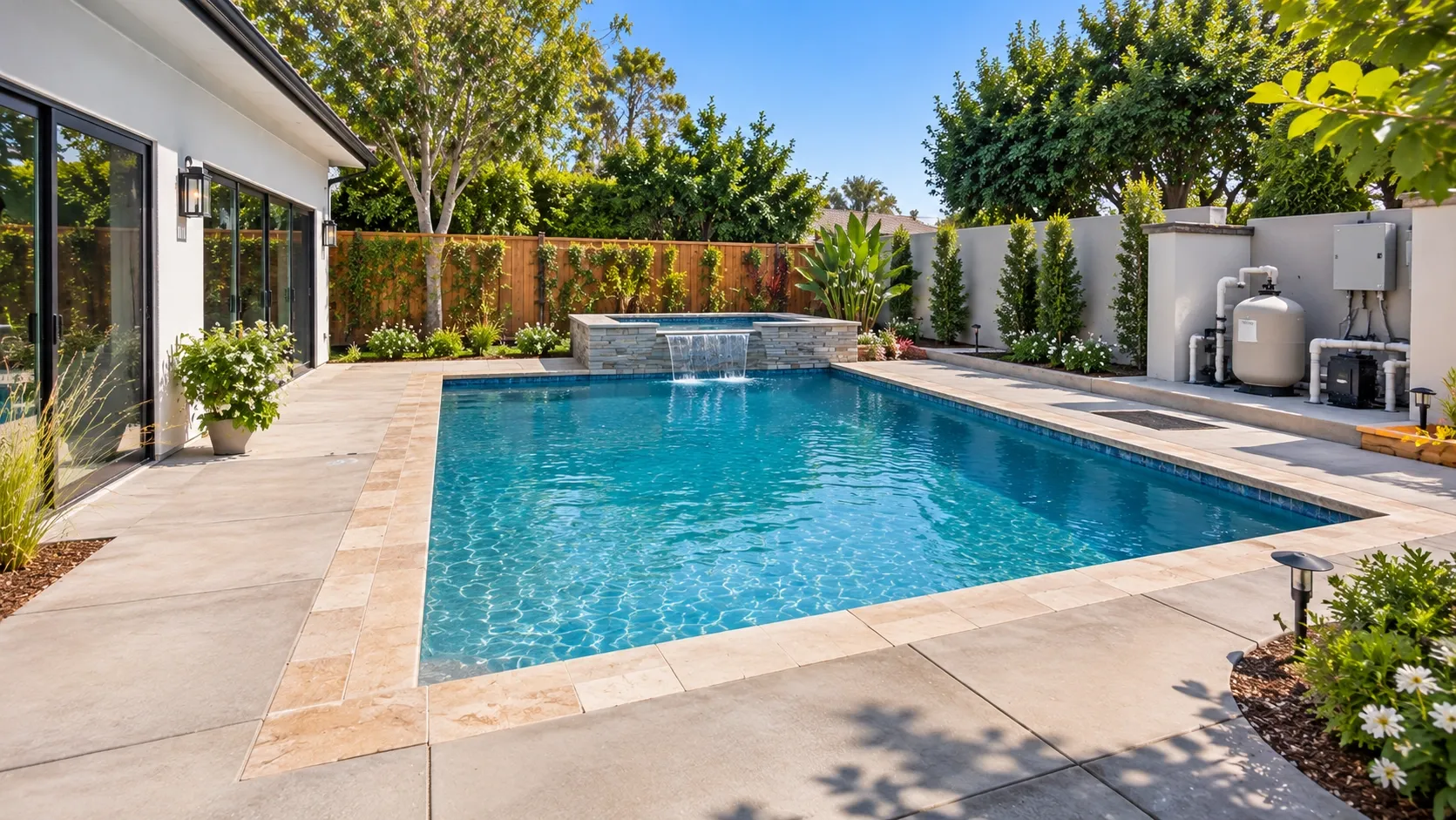
Once the shell is ready, crews install waterline tile and coping around the pool edge. They then complete the surrounding deck using the selected finish.
Simple material selections may move through installation faster. Custom stone, detailed patterns, specialty tile, and extensive decking can require additional time.
Homeowners planning a concrete surround should consider the layout, finish, drainage, and slip resistance before installation. These decisions also influence the final appearance of the pool area.
Equipment Installation and Pool Interior Finishing
Estimated time: 1–2 weeks
The contractor installs the filtration equipment, pump, heater, controls, and other selected systems. The pool interior then receives its specified finish, such as plaster or an aggregate surface.
Some equipment preparation can happen alongside other finishing work. However, all required connections and checks must be completed before startup.
Material availability and equipment delivery can affect this stage. Confirming selections early helps reduce the risk of waiting for parts near the end of construction.
Filling, Water Chemistry, and Final Inspections
Estimated time: 1–2 weeks
After the interior finish is installed, the pool is filled according to the finish manufacturer's instructions. The contractor starts the circulation system, checks equipment, and balances the water chemistry.
Required final inspections must also be completed. The contractor should explain equipment operation, water care, and any initial brushing or maintenance requirements.
The first swim should happen only after the pool is ready for use and the contractor confirms that applicable safety and approval requirements have been satisfied.
How Long Do Pool Permits Take in Los Angeles?
Pool permits can take approximately 4–10 weeks or longer, depending on the city, application quality, project complexity, and review workload. This is a planning range, not an official processing guarantee.
The City of Los Angeles requires plan review for in-ground pools. Other jurisdictions, including Pasadena, Beverly Hills, and Santa Monica, may have different submission requirements and review processes.
Common items that can affect approval include:
- Incomplete construction or engineering drawings
- Zoning and property clearance requirements
- Pool barrier and safety details
- Plumbing and electrical plans
- Required revisions after plan review
A complete application can reduce avoidable back-and-forth. However, homeowners should confirm the current requirements directly with the building department responsible for their property.
What Factors Affect the Pool Construction Timeline?
Even with an organized schedule, several conditions can change the completion date.
Property size and soil conditions: Rocky soil, steep slopes, limited equipment access, and difficult excavation conditions can add days or weeks. Hillside properties may also need additional engineering.
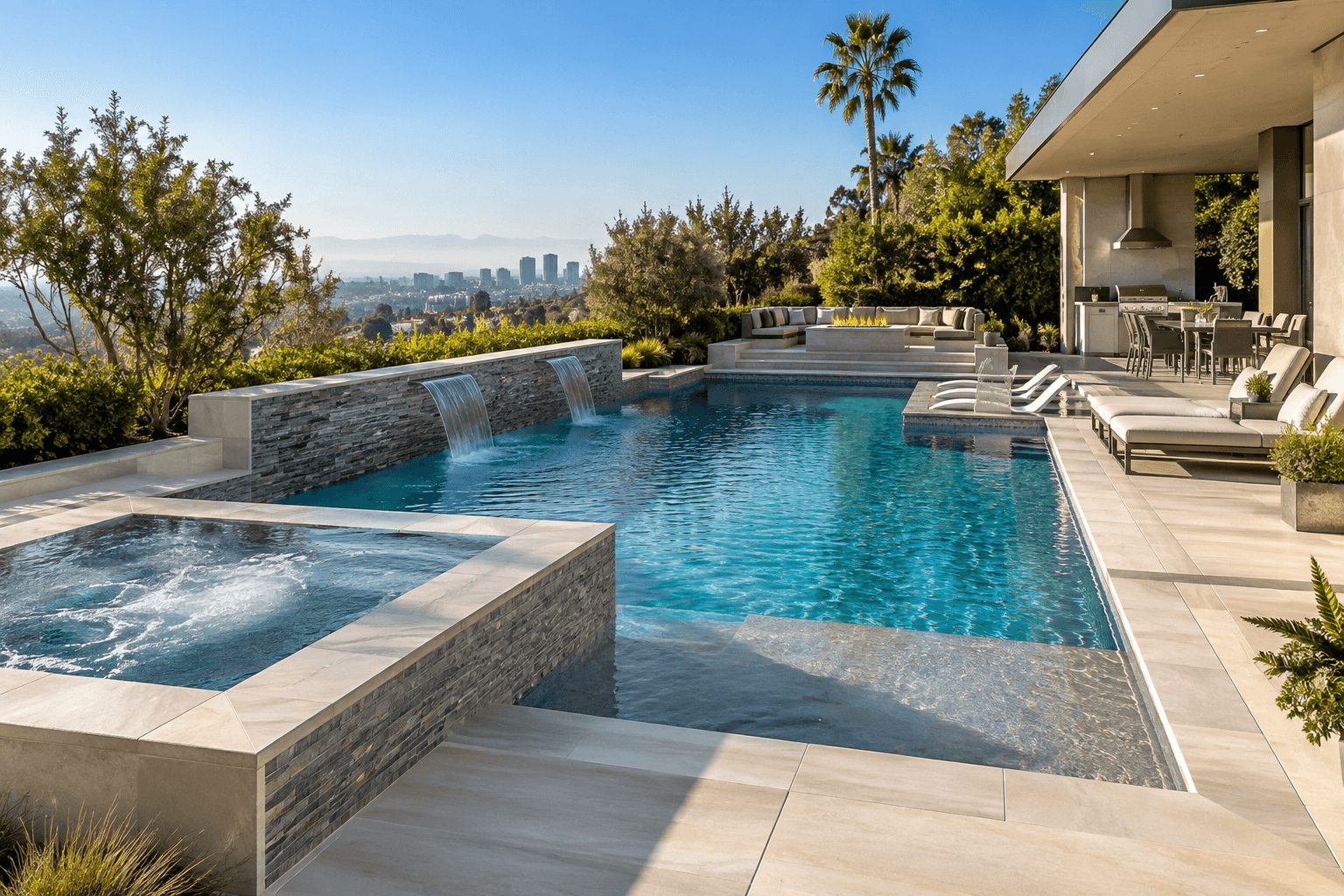
Pool design and custom features: Spas, waterfalls, infinity edges, tanning ledges, and complex shapes require more planning and installation. Additional features can increase both construction time and inspection coordination.
Weather and material availability: Rain can interrupt excavation, concrete work, and decking. Delayed deliveries of tile, coping, pumps, or specialty finishes can also hold up progress.
Permits and inspections: Plan corrections, incomplete documents, and inspection scheduling can delay work. Some stages cannot proceed until the required inspection is completed.
Contractor and trade scheduling: Pool construction involves excavation, steel, plumbing, electrical, concrete, and finishing crews. Poor coordination between trades can create gaps in the schedule.
How Does Pool Type Affect Construction Time?
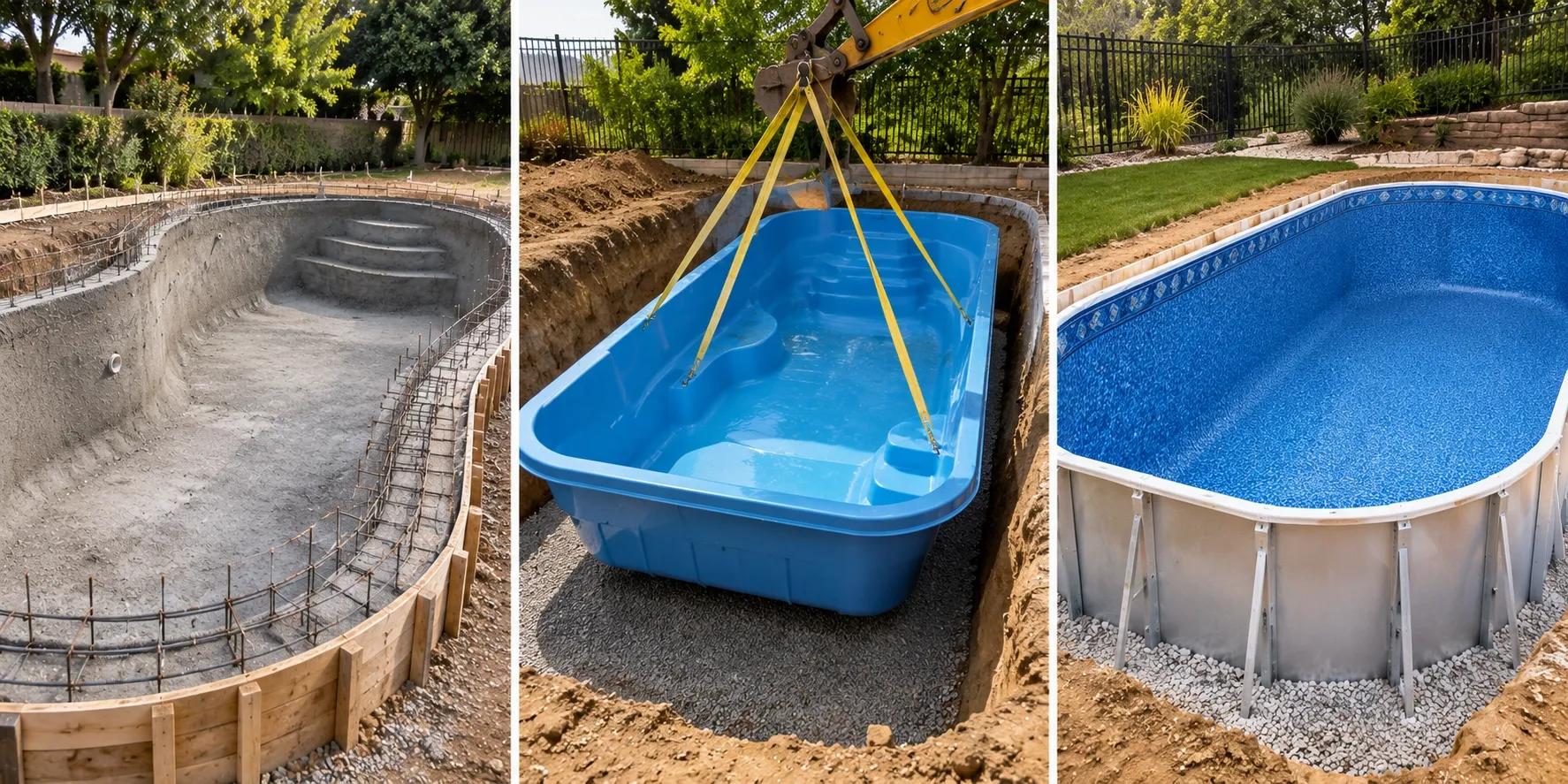
The pool construction method affects how much work happens on-site. Concrete, fiberglass, and vinyl-liner pools use different installation processes, so their timelines are not identical.
Concrete and Gunite Pool Construction
Typical construction time: 8–12 weeks after permits, depending on the project
Concrete pools require excavation, steel reinforcement, plumbing, shell application, curing, tile, coping, decking, and interior finishing. This makes them one of the more involved pool construction options.
Their main advantage is design flexibility. Homeowners can choose custom dimensions, depths, shapes, and features. However, the additional construction stages and curing requirements need to be included in the schedule.
Fiberglass Pool Installation
Typical construction time: Several weeks after site preparation and approvals
Fiberglass pools arrive as prefabricated shells. The contractor excavates the site, prepares the base, positions the shell, connects plumbing, and completes backfilling and decking.
Because the pool shell is manufactured beforehand, installation can be faster than building a concrete shell on-site. However, delivery access, crane requirements, ground conditions, and finishing work still affect the overall timeline.
Vinyl-Liner Pool Installation
Typical construction time: Several weeks after site preparation and approvals
Vinyl-liner pools use a supporting wall structure and a fitted liner. Construction includes excavation, wall assembly, plumbing, floor preparation, liner installation, and surrounding finishes.
The schedule depends on the pool design, liner availability, and site conditions. Custom layouts or difficult access can extend installation time.
How to Keep Your Pool Construction Project on Schedule
Homeowners can help prevent avoidable delays by making important decisions before construction starts.
- Finalize the design early: Confirm dimensions, depth, features, and finishes before engineering and permit submissions.
- Prepare complete plans: Make sure the required drawings and property information are accurate before applying.
- Agree on a written schedule: Ask your contractor to outline estimated dates for excavation, structural work, finishing, and startup.
- Choose materials in advance: Select tile, coping, decking, and equipment early to avoid delivery delays.
- Coordinate inspections: Confirm which inspections are required and who will arrange them.
- Keep communication consistent: Discuss changes and unexpected site conditions before they affect later stages.
A clear construction agreement should identify the project scope, materials, payment schedule, and responsibilities.
For broader planning, compare the cost factors involved in pool construction before finalizing the project budget.
When Is the Best Time to Build a Pool in Los Angeles?
Los Angeles has a relatively mild climate, which allows pool construction during much of the year. However, the best time to start depends on your preferred swimming season, contractor availability, and permit progress.
If you want to enjoy the pool during summer, begin planning well in advance. Starting the design and permit process during fall or winter may give you more time to prepare before warmer weather arrives.
Spring and summer can also work, but contractor schedules may be busier during popular construction periods. Rain can affect excavation and concrete work during winter, so the schedule should include room for weather interruptions.
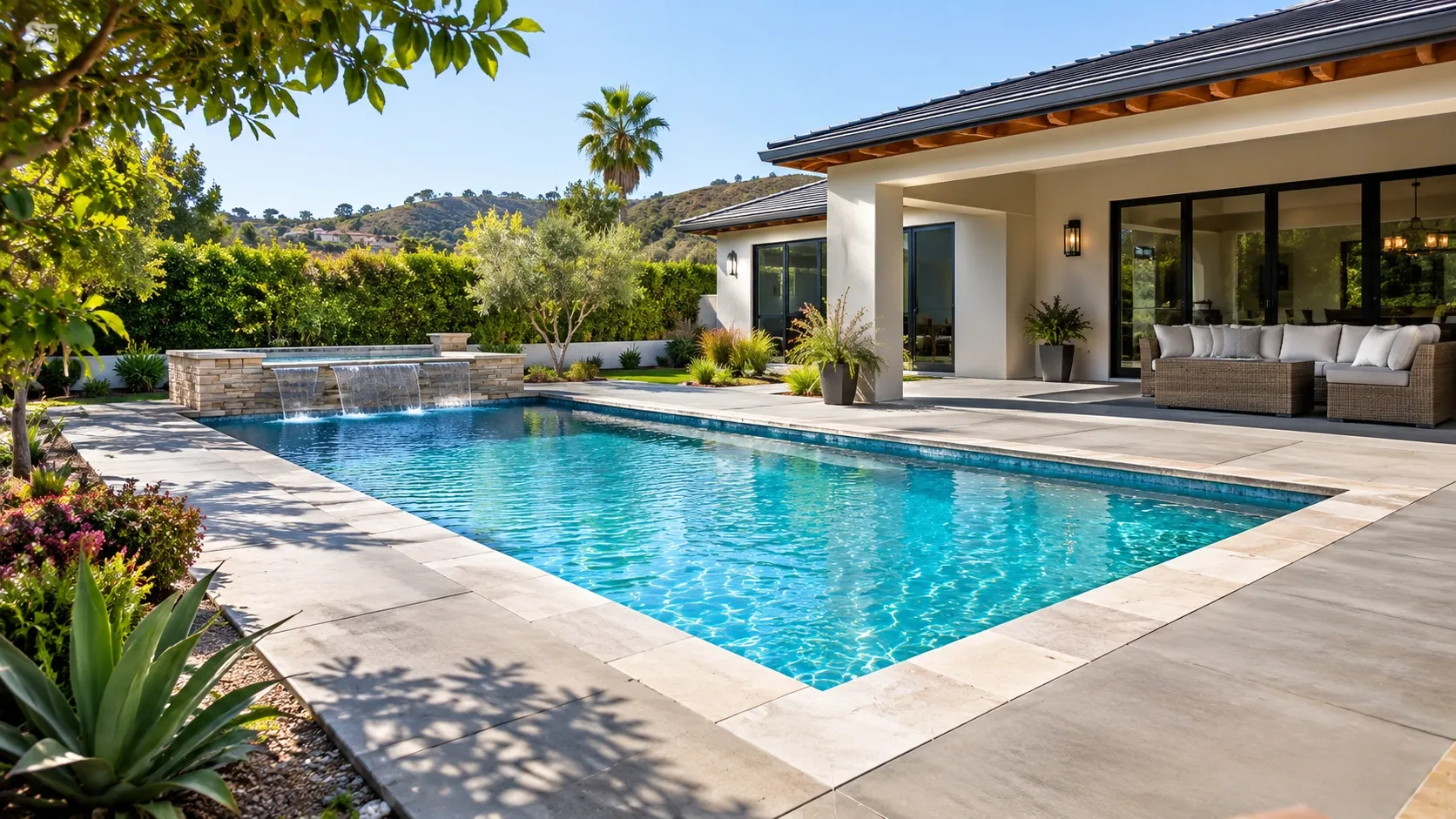
Choosing the pool layout early also helps. Reviewing pool designs can help you narrow down the shape, features, and surrounding layout before construction plans are prepared.
Conclusion
A typical pool construction timeline in Los Angeles can range from around four to six months from initial planning to the first swim. Design, permits, excavation, structural work, curing, finishing, and inspections all contribute to the final schedule.
The biggest delays often happen before excavation or when projects involve difficult site conditions, custom features, and permit corrections. Planning early, selecting materials in advance, and coordinating inspections can help keep the project moving.
Goldenline Construction provides pool and spa construction services in the greater Los Angeles area. If you are considering a new pool, you can contact the Goldenline Construction team to discuss your property, design ideas, and project requirements.