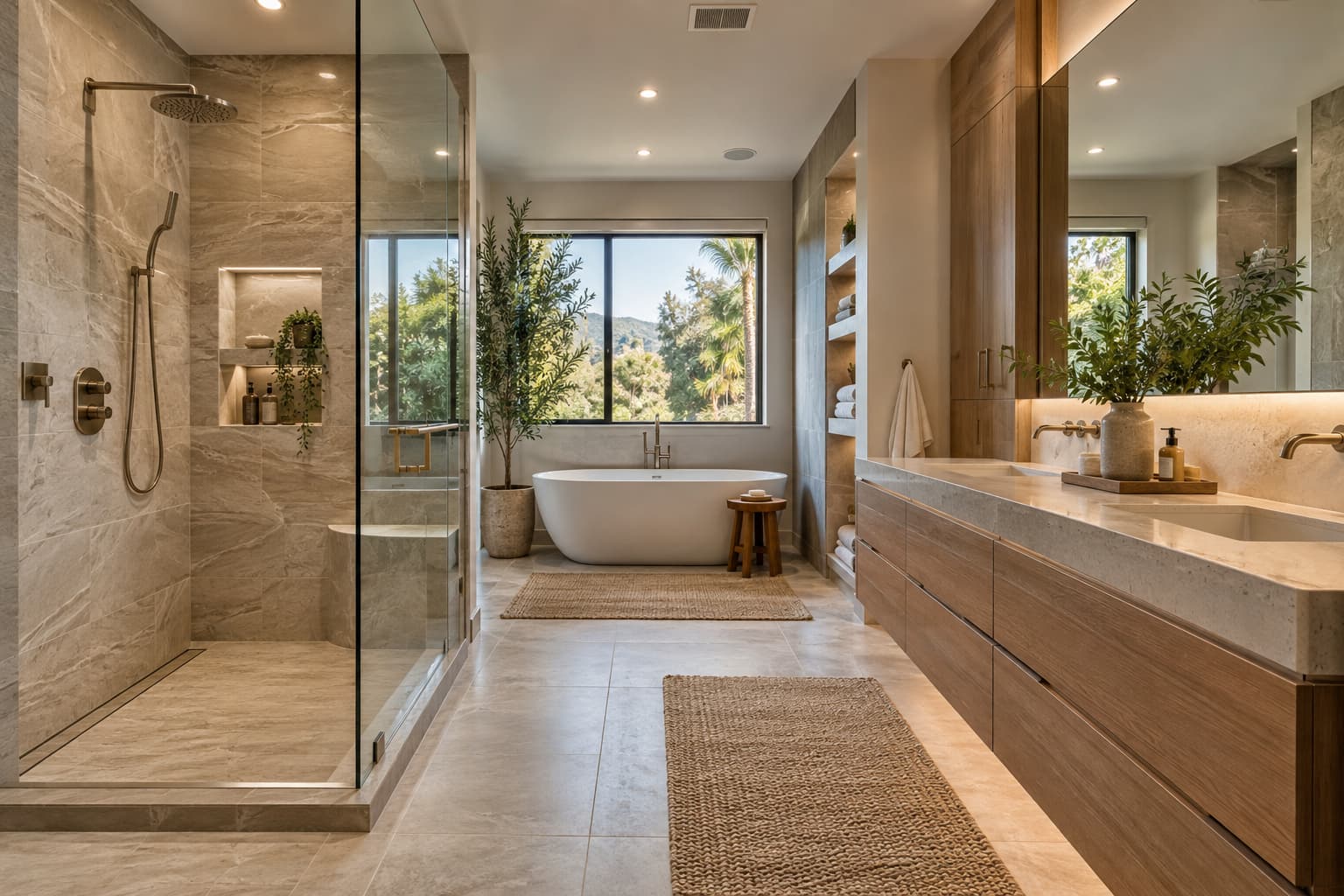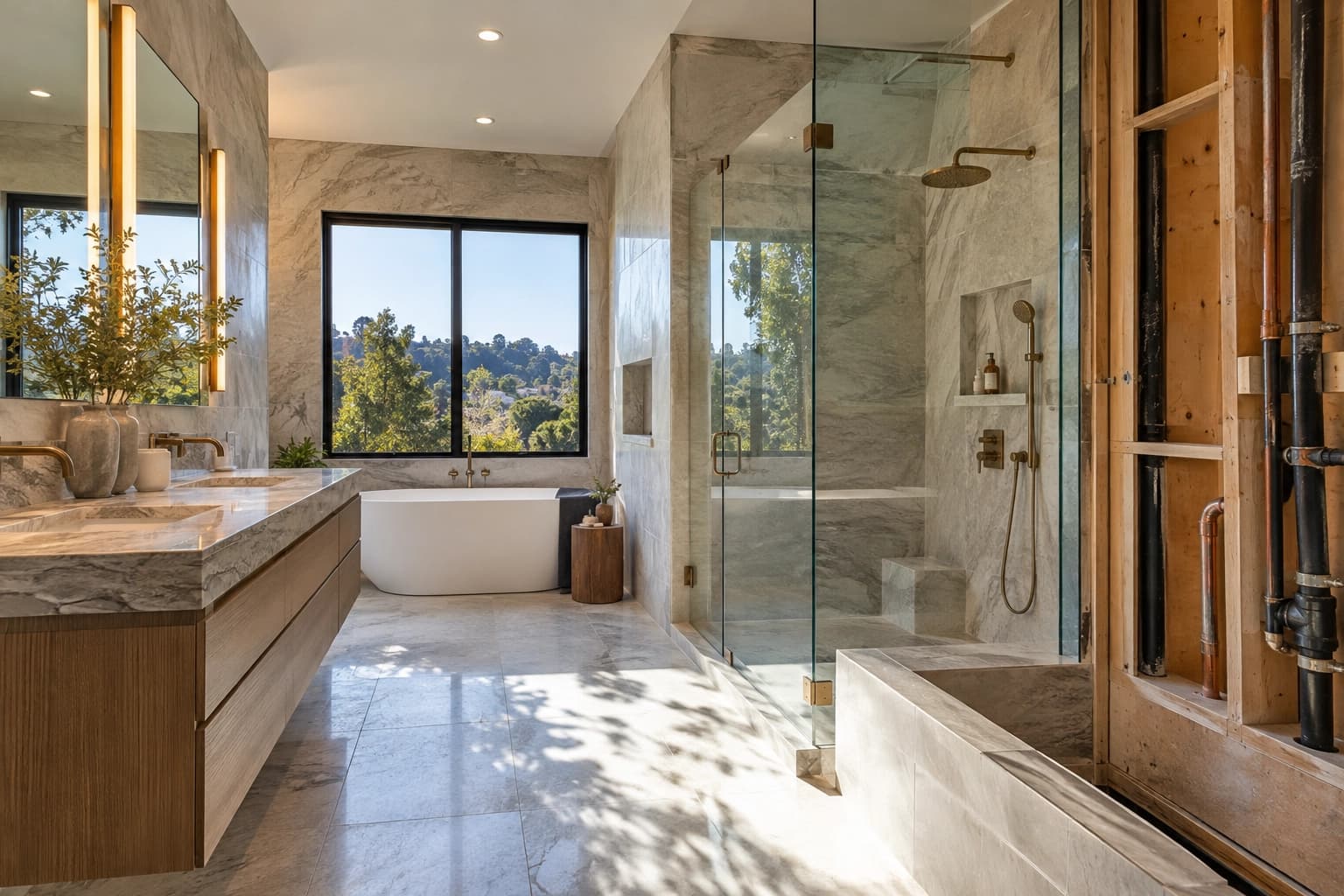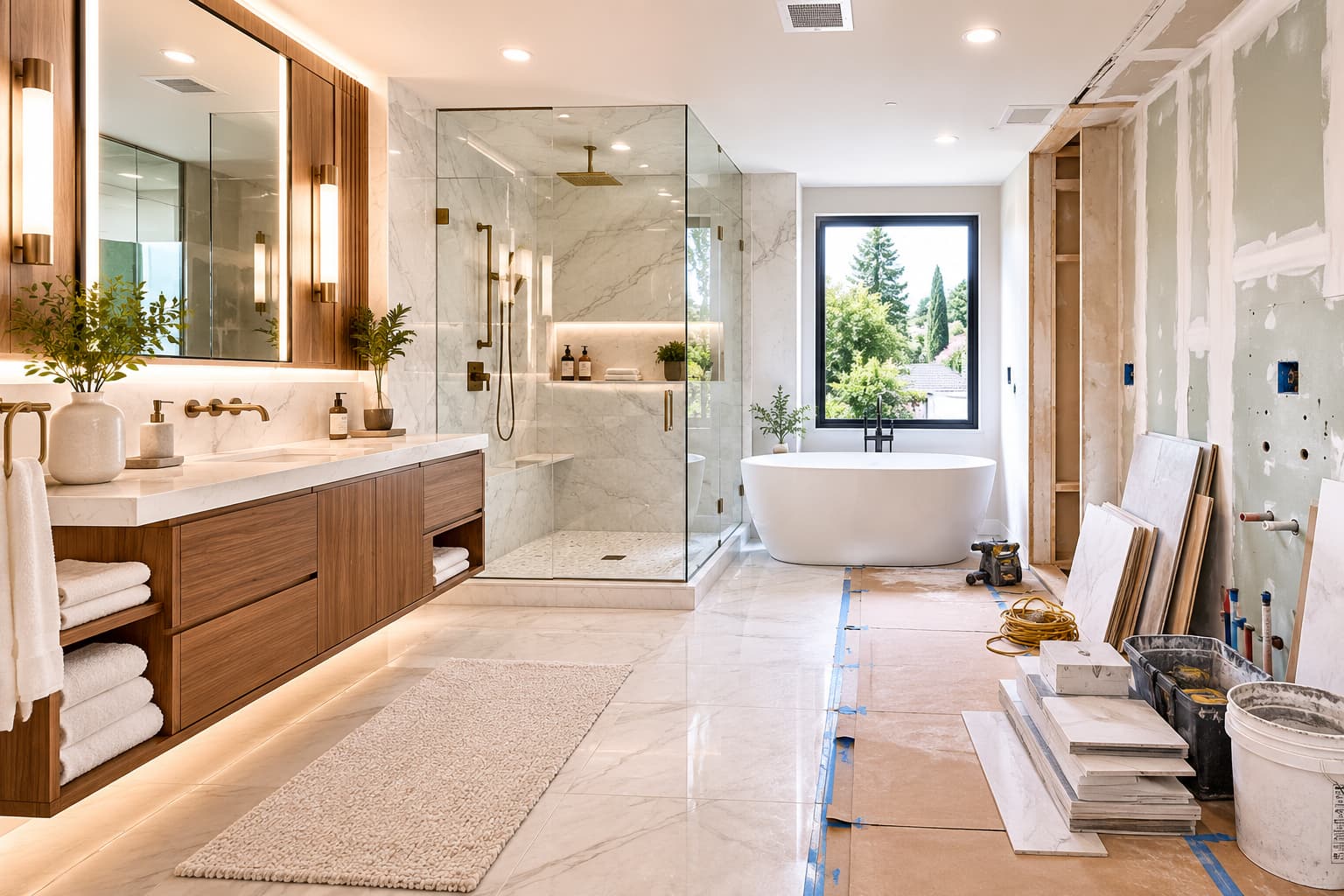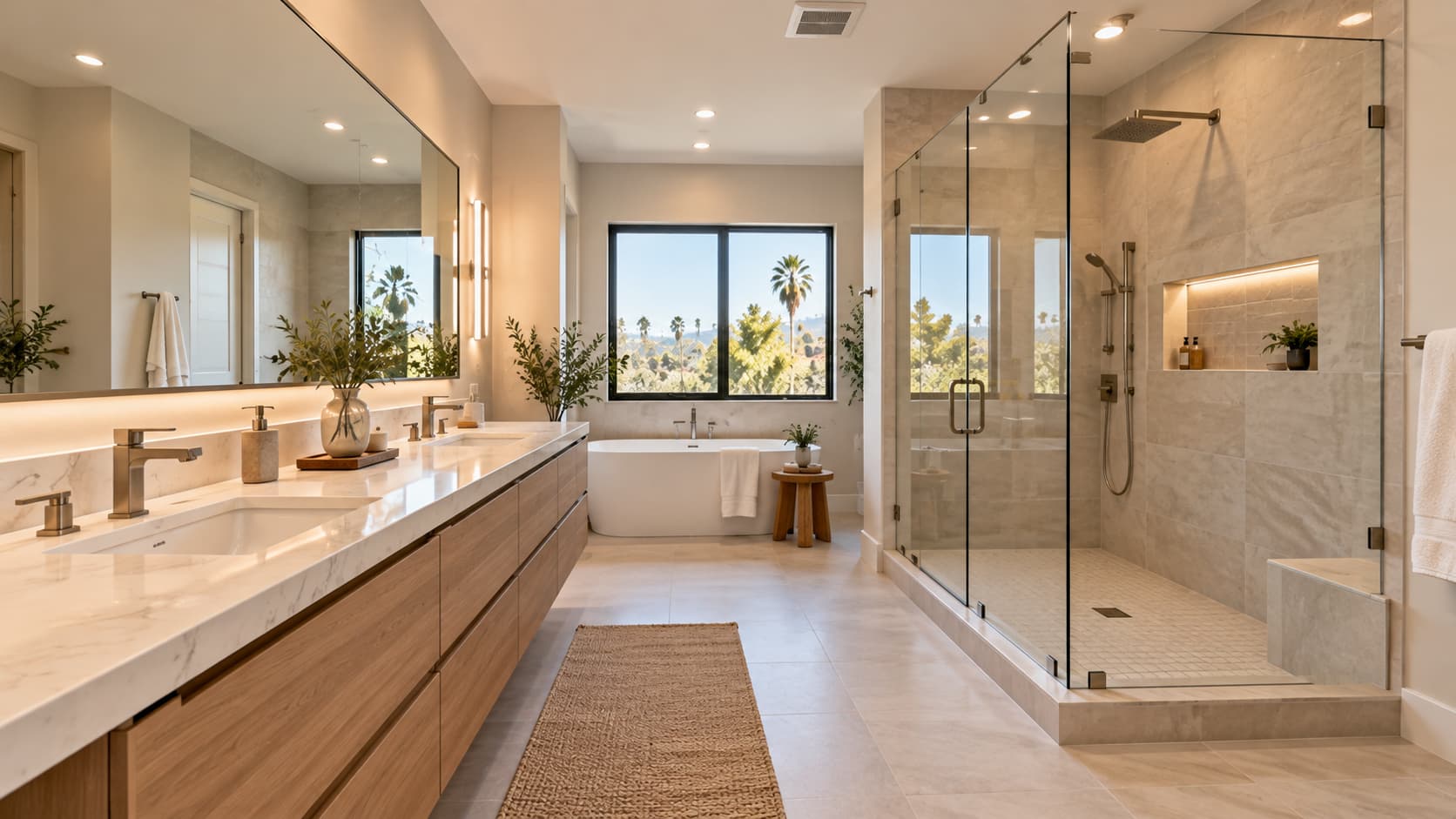
To plan a bathroom remodel successfully, start by defining your goals, setting a realistic budget, choosing a practical layout, and understanding local permit requirements. Finalize your materials and fixtures before construction to reduce delays and unexpected expenses.
Bathroom remodeling in Los Angeles requires careful coordination between design choices, labor costs, material availability, and building regulations.
Set Your Bathroom Remodeling Goals and Priorities
Before selecting tiles or fixtures, decide what you want your remodeled bathroom to achieve. Your priorities will guide the design, budget, and scope of work.
Identify What Needs to Change in Your Bathroom
Evaluate your current bathroom and identify its biggest problems. Limited storage, poor lighting, outdated fixtures, damaged tiles, and an inefficient layout may all affect daily use.
Make a list of essential improvements and optional upgrades. For example, repairing a leaking shower may be essential, while installing a freestanding bathtub may be a preference. Separating these priorities helps you allocate your budget wisely.
Consider who uses the bathroom and how their needs may change over time. Storage, accessibility, ventilation, and ease of cleaning can be just as important as appearance.
Choose Between a Cosmetic Update and a Full Remodel
A cosmetic update focuses on visible improvements, such as repainting, replacing faucets, updating lighting, or installing new accessories. These changes generally involve less disruption than a complete renovation.
A full remodel may include replacing the shower or bathtub, changing the layout, upgrading plumbing, or moving electrical components. Structural changes and major system upgrades can increase costs and require additional approvals.
Choose the scope that addresses your actual needs. Keeping the existing layout may help control expenses when the plumbing and room arrangement already work well.
Create a Realistic Bathroom Remodeling Budget
Your bathroom remodeling budget should cover more than the visible materials. Include labor, demolition, installation, permits where required, and any necessary repairs.
Account for Materials, Labor, and Permits
Break your budget into clear categories so you can compare options and track spending throughout the project.
Budget category | What to include |
|---|---|
Labor | Demolition, installation, plumbing, and electrical work |
Materials | Tile, flooring, countertops, and wall finishes |
Fixtures | Vanity, toilet, faucets, shower, and bathtub |
Additional costs | Permits, disposal, and required repairs |
Get detailed estimates that explain the work included, materials specified, and any exclusions. Compare the full scope of each estimate rather than choosing a contractor based only on the lowest price.
Set Aside a Contingency for Unexpected Repairs
Bathroom demolition can reveal hidden water damage, deteriorated subfloors, plumbing problems, or damaged framing. These issues may need attention before new finishes can be installed.
Reserve part of your budget for unexpected work. The appropriate amount depends on the home's age, visible condition, and project complexity.
Agree with your contractor on how additional work will be documented and approved. Clear communication helps you understand cost changes before repairs proceed.
Choose a Bathroom Layout and Design
A practical bathroom layout balances comfort, storage, movement, and appearance. Before choosing finishes, decide where the main fixtures should go and whether the existing arrangement meets your needs.
Plan the Shower, Bathtub, Vanity, and Storage
Start with the bathroom's available floor space and existing plumbing locations. Moving a toilet, shower, or sink may require additional plumbing work and increase the project cost.
Consider how much storage you need for toiletries, towels, and cleaning supplies. Wall-mounted cabinets, recessed niches, and vanity drawers can help keep the room organized without taking up unnecessary space.
Choose a shower, bathtub, or combination based on your household's needs. Make sure doors can open comfortably and that there is enough clearance around fixtures for safe, convenient use.
Select Durable Flooring, Tile, and Countertop Materials
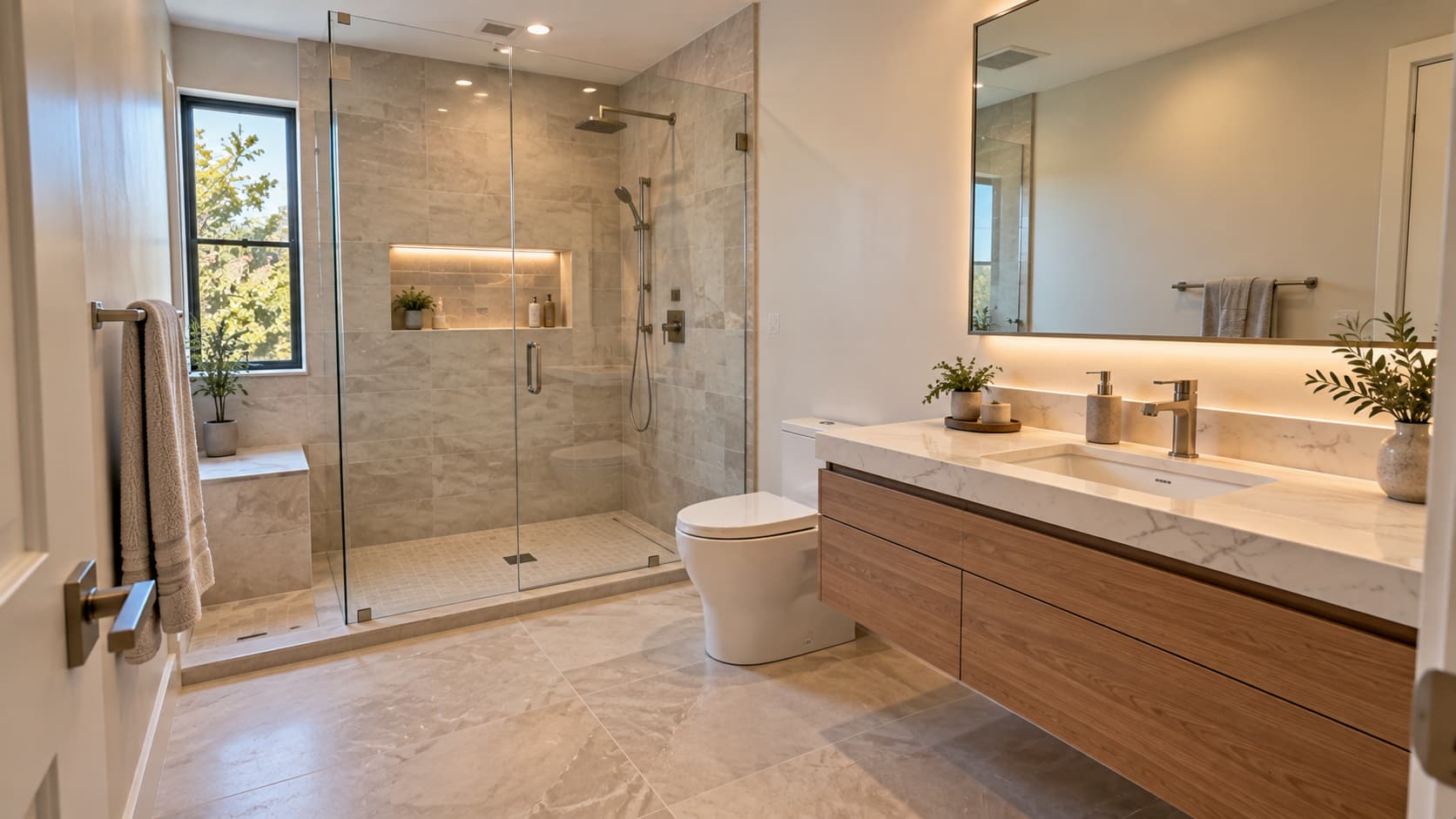
Bathroom materials must withstand moisture, frequent cleaning, and everyday use. Porcelain tile is a common choice for floors and walls because it is durable and available in many finishes.
When choosing flooring, consider slip resistance and the texture of the surface when wet. For countertops, compare materials based on maintenance requirements, durability, appearance, and cost.
Request samples before making final selections. Viewing materials under your bathroom's lighting can help you confirm that colors and textures work together.
Prioritize Ventilation, Lighting, and Water Efficiency
Good ventilation helps control moisture and reduce the risk of mold. Confirm that the bathroom's exhaust fan is suitable for the room and that it vents appropriately.
Combine general lighting with task lighting around the vanity. Well-positioned fixtures make grooming easier and help reduce shadows around the mirror.
Water-efficient toilets, faucets, and showerheads can reduce water use without sacrificing everyday convenience. Check product specifications before purchasing to ensure the fixtures meet your needs and applicable requirements.
Understand Bathroom Remodeling Permits in Los Angeles
Permit requirements depend on the work being performed and the property's location. Replacing decorative finishes may be treated differently from relocating plumbing, changing electrical systems, or modifying structural components.
Before construction, confirm which permits and inspections apply to your project. The City of Los Angeles and other local jurisdictions may have different procedures, so verify the requirements for your property's address.
Plan for permit preparation, application review, and any required inspections. Incomplete applications or requested revisions can affect your schedule.
Do not assume that a small bathroom project is automatically exempt from permits. Confirm the rules before starting work that may require approval.
Choose Materials and Fixtures Before Construction
Finalize major materials and fixtures before demolition whenever possible. This includes tile, flooring, vanity cabinets, countertops, faucets, shower systems, lighting, and mirrors.
Check dimensions, finish compatibility, delivery dates, and installation requirements. A vanity that does not fit the available space or a fixture that arrives late can interrupt construction.
When comparing products, consider more than the purchase price. Maintenance, replacement-part availability, durability, and installation complexity can affect long-term value.
If you need design inspiration, explore different bathroom ceiling design ideas and decide whether the ceiling should be part of your renovation scope.
Create a Bathroom Remodeling Timeline
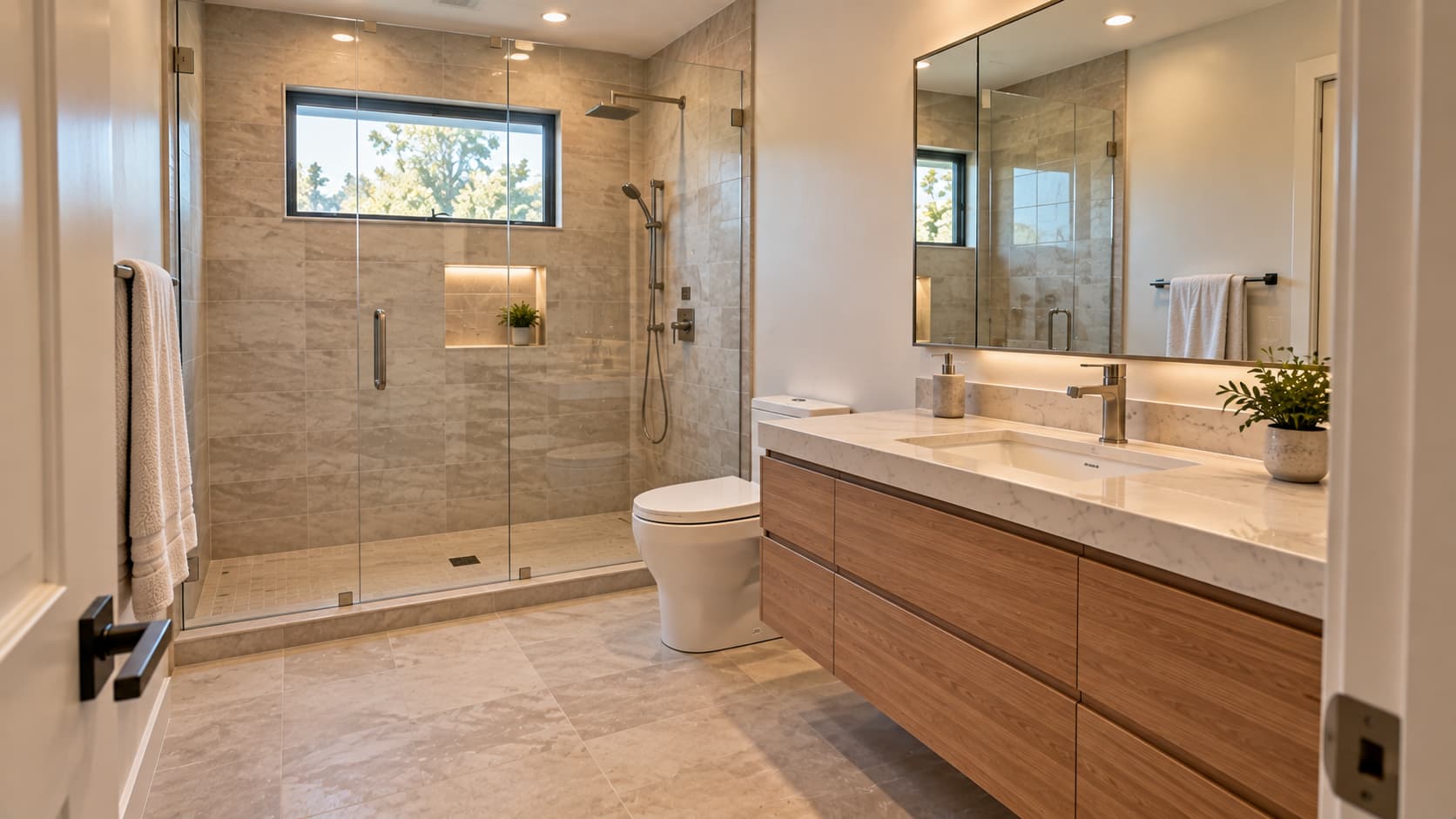
A bathroom remodeling timeline depends on the project's size, design decisions, material availability, and permit requirements. A cosmetic update may take days or weeks, while a full renovation can take several weeks or longer.
Create a schedule with your contractor that accounts for preparation, construction, and final inspections. The typical bathroom remodeling timeline can help you understand the factors that affect completion dates.
Allow extra time for unexpected repairs and delayed deliveries instead of relying on an overly optimistic deadline.
Conclusion
Planning a bathroom remodel starts with clear priorities, a realistic budget, and a design that suits your household. Confirm permit requirements, select materials early, and establish a practical construction schedule before work begins.
Careful preparation helps reduce avoidable delays and keeps important decisions organized. For professional support with your project, contact Goldenline Construction to discuss your renovation goals in the Los Angeles area.