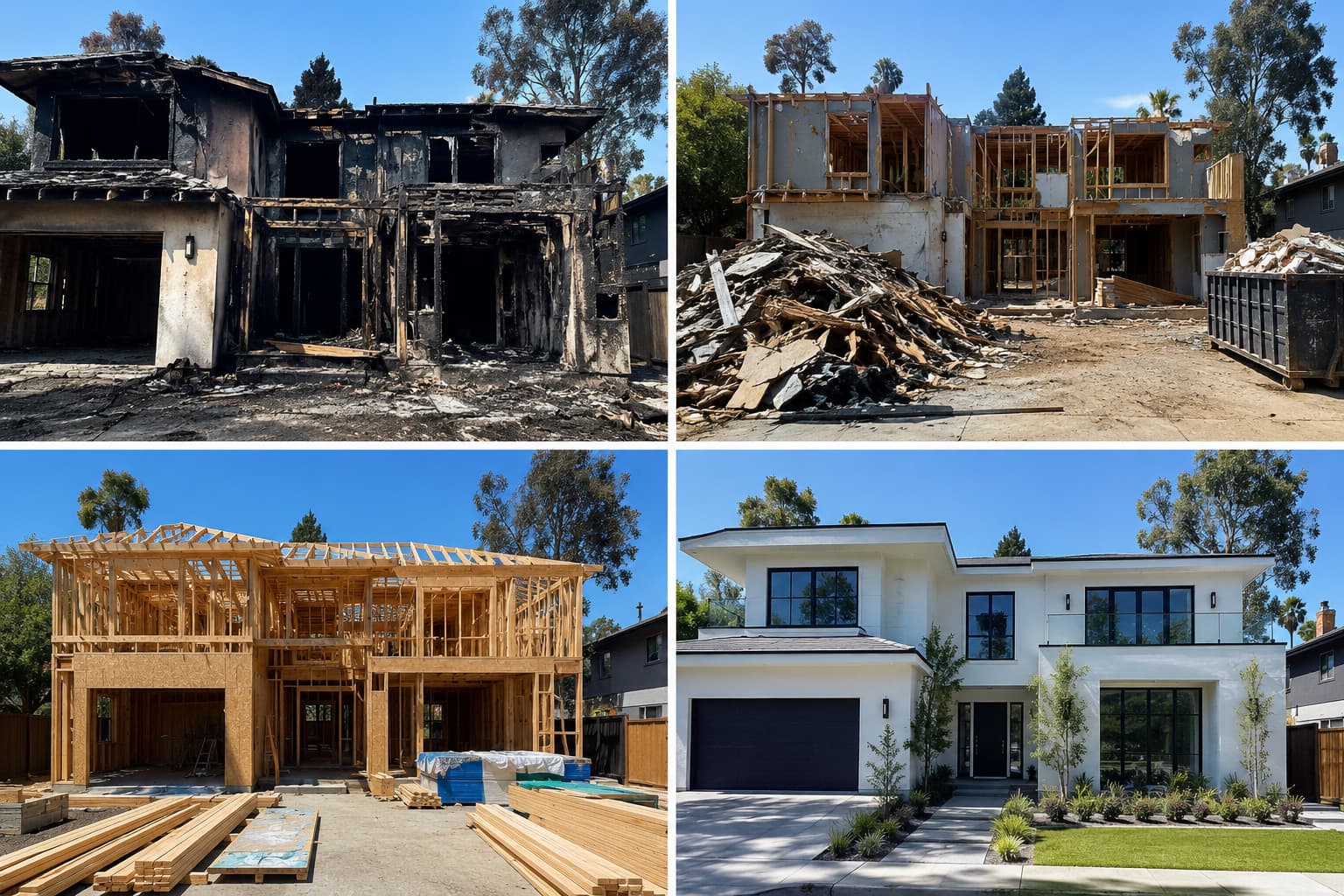
The fire rebuild cost in Los Angeles depends on damage severity, home size, and local building requirements. Understanding these factors helps you plan your budget and next steps after a fire.
Rebuilding often includes demolition, repairs, permits, and rebuilding to current codes. Whether partial or full reconstruction, knowing the process helps reduce stress and avoid surprises.
This guide covers key cost factors and what to expect during a fire rebuild.
How Much Does Fire Rebuild Cost in Los Angeles?
There’s no fixed price for rebuilding a fire-damaged home. The total Los Angeles fire rebuild cost varies based on damage level, structural condition, materials, labor, and permits.
Minor damage may require limited repairs, while severe fire and water damage can mean a full rebuild. Older homes may also need upgrades to meet current codes, increasing costs.
A professional assessment is essential. A contractor evaluates damage, identifies hidden issues, and provides a clear fire rebuild estimate.
Typical costs include:
- Damage assessment
- Demolition and debris removal
- Plans and engineering
- Permits and inspections
- Structural repairs
- Roofing, windows, and exterior work
- Plumbing, electrical, and HVAC
- Interior finishes
- Final inspections
What Factors Affect Fire Rebuild Costs?
Every fire rebuild project is different. While two homes may have similar square footage, the total rebuilding cost can vary significantly based on the extent of the damage, construction requirements, and material selections.
Extent of Fire, Smoke, and Water Damage
The severity of the damage is one of the biggest factors affecting fire rebuild costs.
Visible fire damage is only part of the picture. Smoke can penetrate walls and insulation, while water used to extinguish the fire may lead to additional structural issues if not addressed promptly. A thorough inspection helps determine which parts of the home can be restored and which must be rebuilt.
Home Size and Design Complexity
Larger homes generally require more labor, materials, and construction time, increasing the overall project cost.
Design complexity also plays a role. Custom floor plans, vaulted ceilings, large windows, high-end finishes, and architectural details often require specialized craftsmanship, which can add to both the timeline and budget.
Demolition, Debris Removal, and Site Preparation
Before rebuilding begins, damaged materials must be removed safely.
This phase often includes:
- Demolishing unsafe structures
- Removing fire-damaged debris
- Cleaning the site
- Preparing the foundation for reconstruction
If hazardous materials or unstable structural components are discovered, additional work may be required before construction can proceed.
Materials, Finishes, and Labor Costs
Material selections have a direct impact on your fire damage rebuild cost.
Standard finishes generally cost less than premium materials such as natural stone, custom cabinetry, or specialty flooring. Labor costs can also vary depending on the project's complexity and the availability of skilled trades.
Balancing quality, durability, and budget helps homeowners achieve long-lasting results without unnecessary expenses.
Permits, Inspections, and Code Upgrades
Most fire rebuild projects require permits and multiple inspections throughout construction.
In many cases, rebuilding also means complying with current building codes rather than replacing the home exactly as it was before the fire. Required upgrades to electrical systems, plumbing, energy efficiency, or structural components can increase costs but also improve the home's safety and long-term performance.
Understanding these requirements early helps reduce delays and allows homeowners to plan more accurately for the complete fire rebuild process.
Fire Rebuild Cost Breakdown by Project Phase
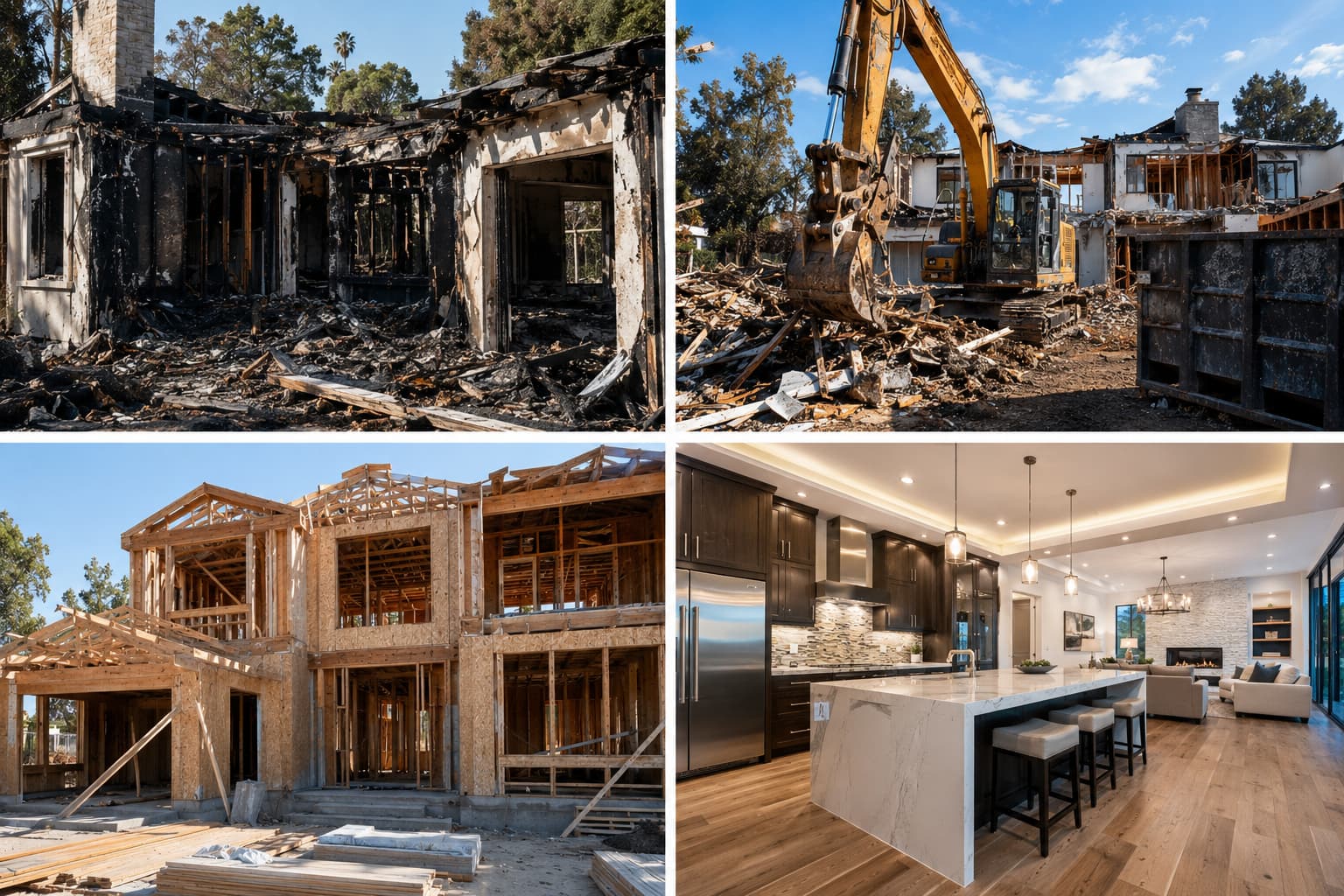
Understanding where your budget goes makes it easier to plan for a successful rebuild. Although every project is different, most fire reconstruction projects follow the same major phases.
Damage Assessment and Planning
The first step is determining the full extent of the damage.
A contractor evaluates the home's structural condition, identifies areas that can be restored, and develops a detailed rebuilding plan. Depending on the project, this stage may also involve architects, engineers, and permit preparation. Careful planning helps prevent unexpected issues during construction and results in a more accurate fire rebuild estimate.
Demolition and Site Cleanup
Once the rebuilding plan is approved, damaged materials are removed from the property.
This phase includes demolishing unsafe sections of the home, clearing debris, and preparing the site for reconstruction. Contractors also inspect the foundation and other structural elements to determine whether they can be safely reused or require repairs before rebuilding begins.
Structural Reconstruction
With the site prepared, construction begins.
This phase typically includes rebuilding framing, repairing or replacing the roof, installing windows and exterior doors, and completing the rough plumbing, electrical, and HVAC systems. As work progresses, required inspections help verify that construction meets current building codes.
A well-managed reconstruction phase keeps the project moving efficiently while maintaining quality and safety standards.
Interior Finishes and Final Restoration
The final stage transforms the rebuilt structure into a finished home.
Drywall, flooring, cabinetry, countertops, trim, paint, lighting, plumbing fixtures, and appliances are installed according to the approved design. After final inspections and quality checks, the home is cleaned and prepared for occupancy.
Working with a contractor that manages every phase of the project—from planning through final restoration—can reduce coordination issues and create a smoother rebuilding experience.
Does Insurance Cover Fire Rebuild Costs?
In many cases, homeowners insurance helps cover the cost of rebuilding after a fire, but coverage depends on the terms of your individual policy.
Insurance may help pay for:
- Structural repairs or complete reconstruction
- Smoke and fire damage restoration
- Debris removal
- Temporary housing if the home is uninhabitable
- Personal property replacement, depending on policy coverage
However, every policy has coverage limits, exclusions, deductibles, and claim requirements. Reviewing your policy carefully and communicating with your insurance provider early in the process can help you understand what expenses are covered and what costs you may be responsible for.
An experienced contractor can also provide detailed documentation and estimates that support the insurance claims process.
How to Reduce Fire Rebuild Costs Without Sacrificing Quality
Rebuilding after a fire is a significant investment, but careful planning can help you control costs while still achieving a safe and durable result.
- Work with an experienced fire rebuild contractor: A contractor with fire reconstruction experience can identify potential issues early, coordinate the rebuilding process efficiently, and help avoid costly mistakes.
- Finalize your design before construction: Making major changes after work begins often leads to additional labor, material costs, and scheduling delays. Completing design decisions in advance helps keep the project on budget.
- Understand your insurance coverage: Review your policy carefully and maintain clear communication with your insurance provider. Knowing what is covered helps you plan for any out-of-pocket expenses before construction starts.
- Choose materials that balance cost and durability: Premium finishes may increase the initial investment, but selecting durable materials that fit your budget can provide better long-term value and reduce future maintenance costs.
- Plan for unexpected expenses: Hidden structural damage or code-related upgrades may only become apparent after demolition. Setting aside a contingency budget can help you manage unforeseen costs without interrupting the project.
Why Work With a Design-Build Fire Rebuild Contractor?
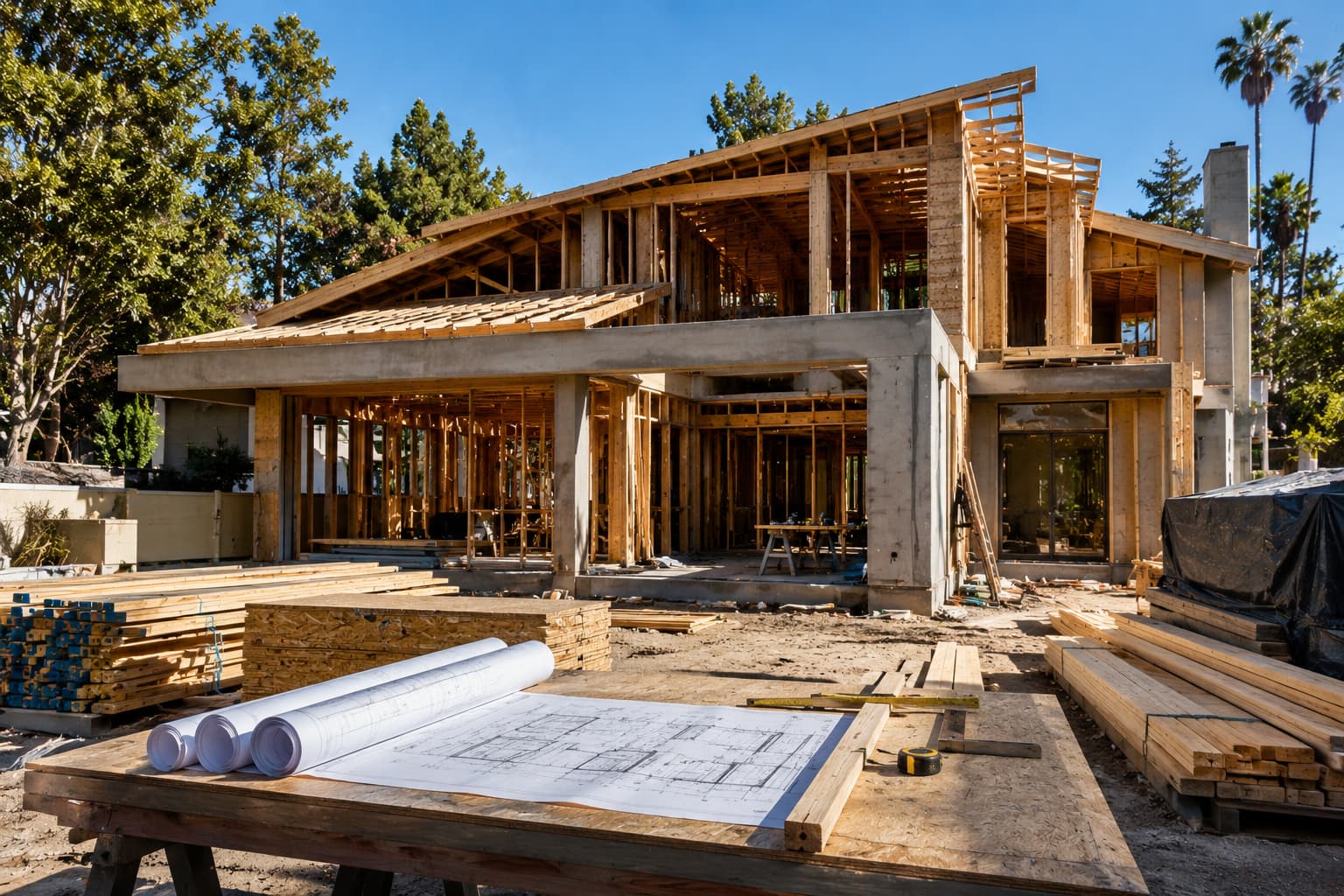
A fire rebuild involves much more than construction. It requires planning, permitting, scheduling, and coordination between multiple professionals.
A design-build contractor manages these responsibilities under one contract, creating a more streamlined rebuilding experience. Instead of working with separate designers, architects, and contractors, homeowners have a single team overseeing the project from the initial assessment through final completion.
This approach offers several advantages:
- Better communication throughout the project.
- Improved coordination between design and construction.
- More accurate budgeting and scheduling.
- Faster resolution of unexpected issues.
- A smoother rebuilding process from start to finish.
If you're ready to begin rebuilding, you can contact our team to discuss your project and receive personalized guidance.
Conclusion
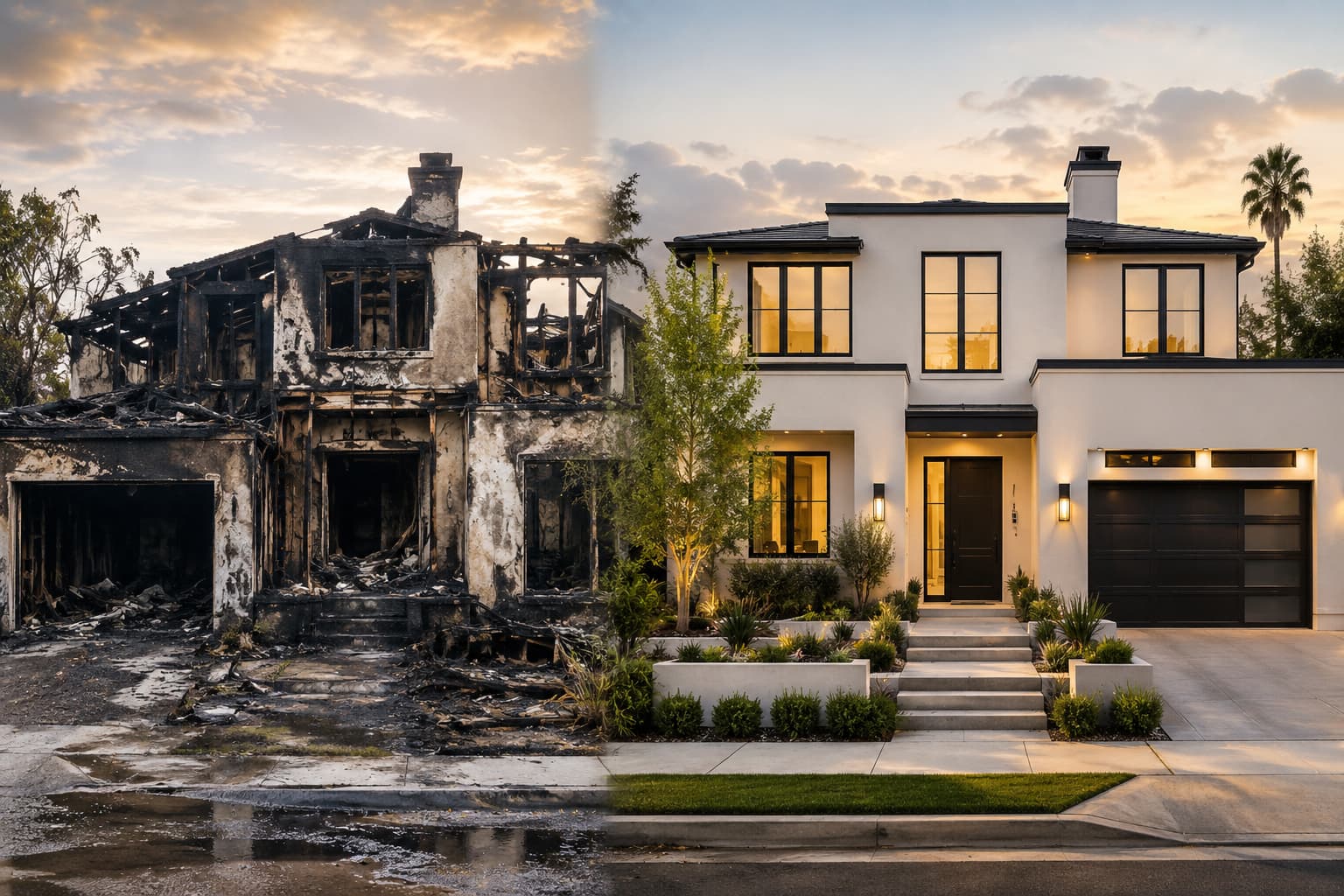
The fire rebuild cost in Los Angeles depends on many factors, including the extent of the damage, your home's size, construction requirements, material selections, and local building regulations. While every rebuilding project is unique, understanding the process and the factors that influence costs can help you make informed decisions and plan with confidence.
Working with an experienced contractor, preparing for unexpected expenses, and understanding your insurance coverage can make the rebuilding process more efficient and less stressful. Whether your home requires partial reconstruction or a complete rebuild, careful planning is the foundation of a successful outcome.