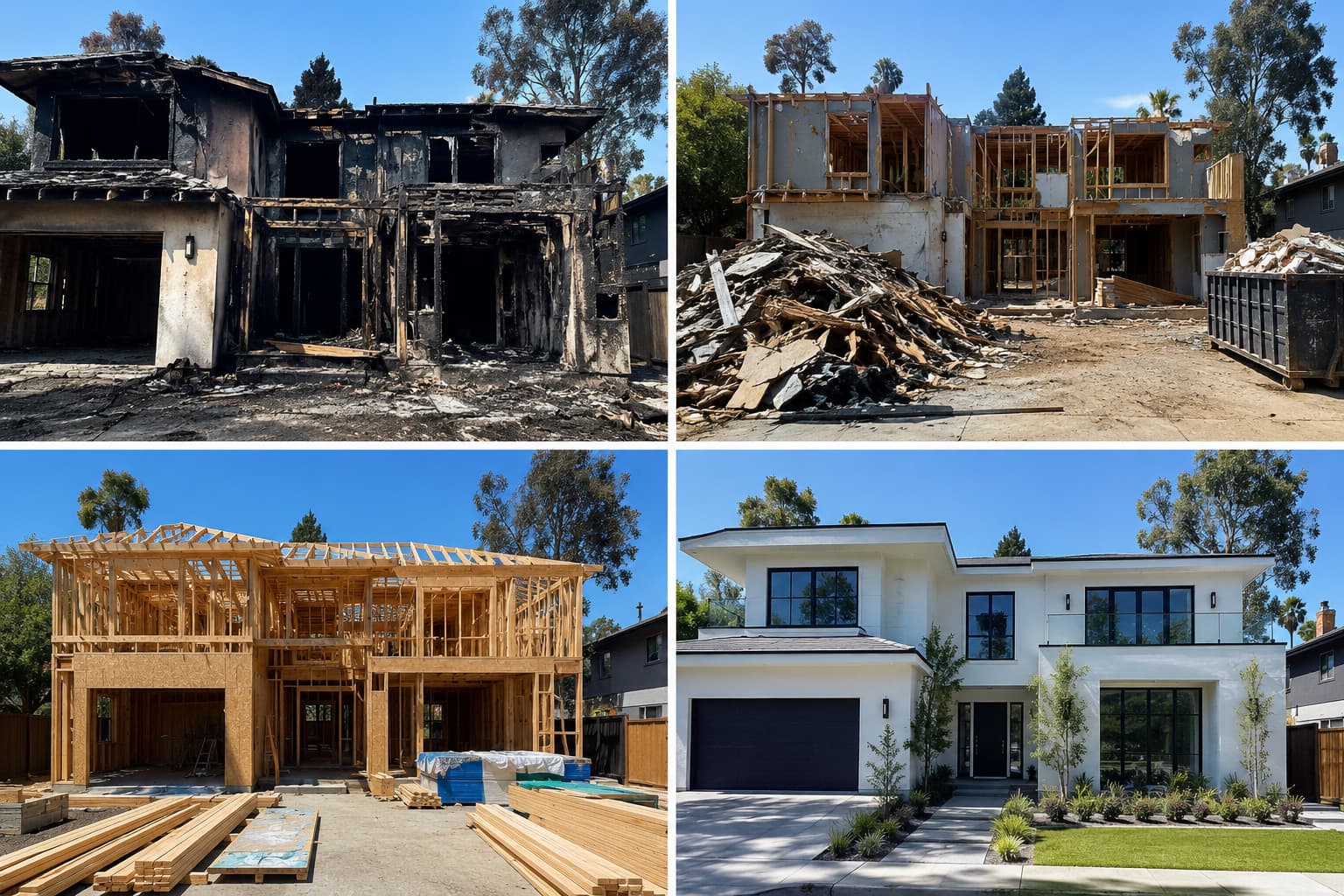
Most projects take several months, depending on damage severity, insurance approvals, permits, and construction scope.
Rebuilding after a fire involves more than repairs. It includes insurance claims, inspections, permits, demolition, and full reconstruction. Understanding the fire rebuilding timeline helps you plan and avoid surprises.
This guide outlines the typical timeline and what to expect at each stage.
Typical Timeline for a Fire Rebuild Project
Every project is different. Minor damage may require repairs, while major damage can mean a full rebuild.
Key factors that affect the fire rebuild timeline include:
- Extent of fire, smoke, and water damage
- Insurance claim processing
- Design and engineering needs
- Permit approvals
- Material availability
- Construction complexity
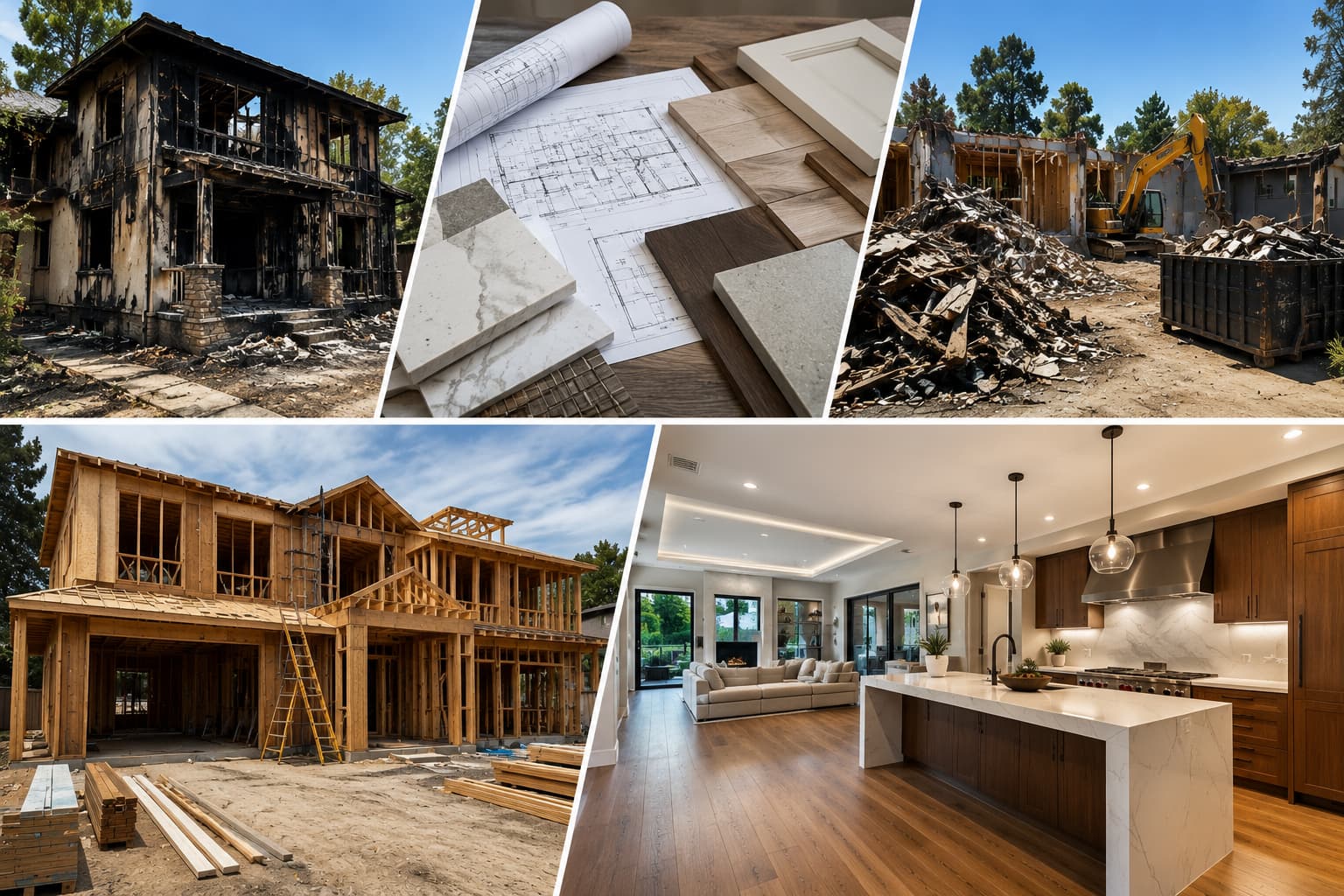
A typical fire rebuild project follows this timeline:
Project Phase | Typical Timeline |
|---|---|
Damage assessment and insurance review | 1–3 weeks |
Planning, design, and permitting | Several weeks to a few months |
Demolition and site preparation | 1–3 weeks |
Structural reconstruction | Several weeks to several months |
Interior finishes and final inspections | Several weeks |
These are general estimates. Larger or more complex rebuilds may take longer.
What Happens During Each Phase of Fire Rebuilding?
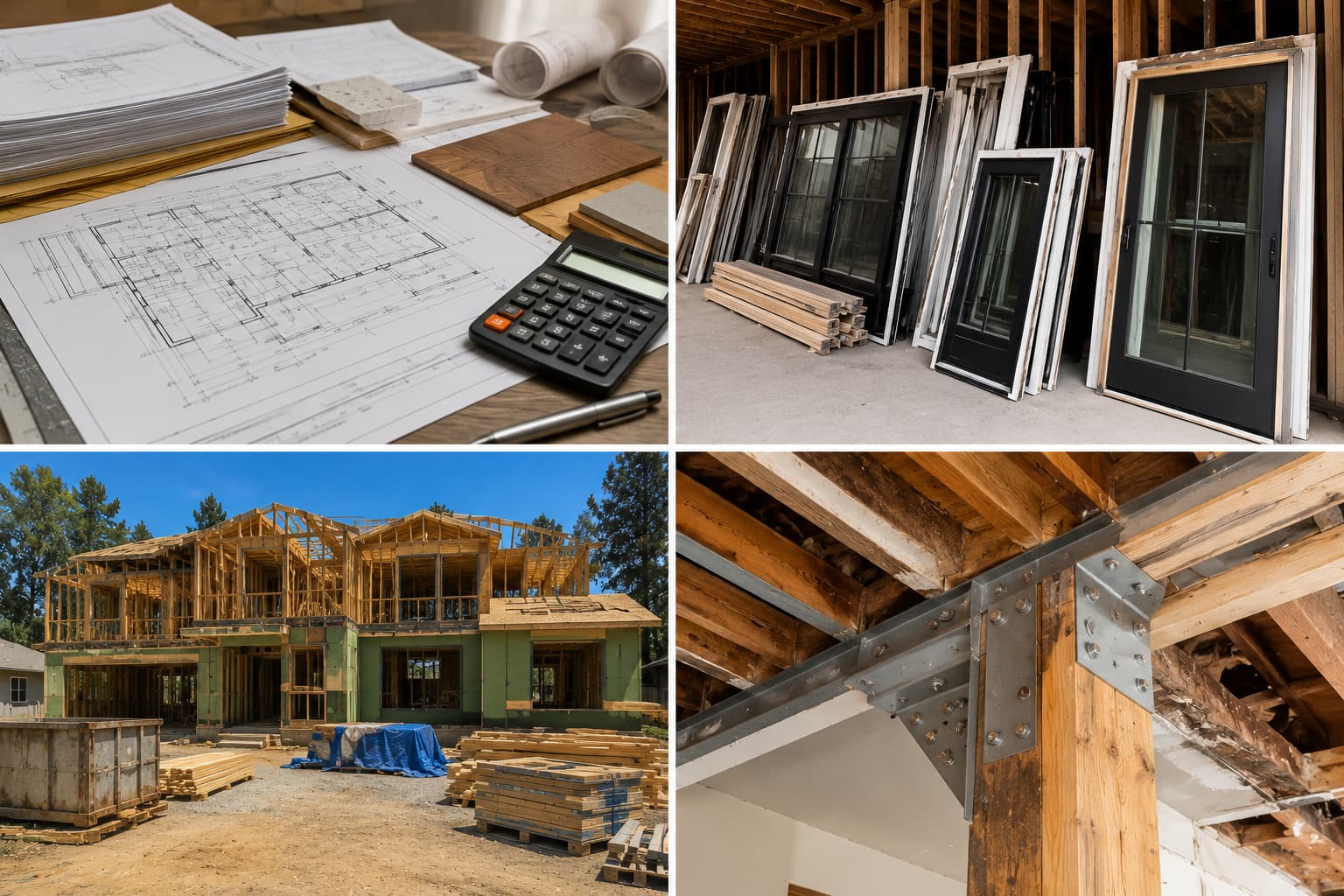
A successful fire rebuild follows a structured process. Each phase builds on the previous one, ensuring the home is safe, compliant with current building codes, and ready for occupancy.
Damage Assessment and Insurance Review
The rebuilding process begins with a thorough inspection of the property.
Contractors evaluate structural damage, smoke contamination, and water damage caused by firefighting efforts. This assessment helps determine what can be repaired and what must be replaced. At the same time, homeowners work with their insurance provider to review coverage and begin the claims process.
Accurate documentation during this phase helps support the insurance claim and provides a clear scope of work for the rebuild.
Planning, Design, and Permitting
Once the assessment is complete, the rebuilding plan is developed.
Depending on the extent of the damage, this phase may include architectural drawings, engineering plans, material selections, and permit applications. If the home must meet updated building codes, those requirements are incorporated into the design before construction begins.
Although this stage takes time, careful planning helps reduce delays later in the project.
Demolition and Site Preparation
After permits are approved, damaged materials are safely removed from the property.
This stage typically includes:
- Demolishing unsafe structural components
- Removing debris and damaged materials
- Cleaning the site
- Inspecting and preparing the foundation for reconstruction
Completing site preparation properly creates a safe and stable foundation for the rebuilding process.
Structural Reconstruction
With the site ready, rebuilding begins.
Contractors reconstruct framing, roofing, exterior walls, windows, and other structural components. Rough plumbing, electrical, and HVAC systems are also installed before inspections take place.
This is often the longest phase of the fire rebuild process because multiple trades must work in sequence while meeting inspection requirements.
Interior Finishes and Final Inspections
The final stage transforms the rebuilt structure into a finished home.
Drywall, flooring, cabinetry, paint, lighting, plumbing fixtures, and other interior finishes are installed according to the approved design. Once construction is complete, final inspections verify that the home complies with local building codes.
Before moving back in, homeowners typically complete a final walkthrough with their contractor to confirm every detail meets expectations and all work has been completed as planned.
What Can Delay a Fire Rebuild Timeline?
Even with careful planning, unexpected challenges can extend a fire rebuild project. Understanding the most common causes of delays helps homeowners set realistic expectations and prepare for potential setbacks.
- Insurance claim approvals: Insurance reviews can take time, especially if additional documentation or inspections are required. Delays in claim approval often postpone the start of reconstruction.
- Permit processing and inspections: Most fire rebuild projects require permits and multiple inspections. Approval times vary depending on the scope of work and local building requirements, which can affect the overall fire reconstruction timeline.
- Extent of structural damage: Hidden structural issues may only become visible after demolition begins. Additional repairs to the foundation, framing, or other structural components can extend the rebuilding schedule.
- Material availability and custom orders: Specialty materials, custom windows, cabinetry, or roofing products may have longer lead times. Ordering materials early helps reduce delays during construction.
- Weather and contractor scheduling: Severe weather can interrupt exterior work, while high demand for skilled contractors may affect project scheduling. Proper planning and regular communication help minimize these disruptions.
Although some delays are unavoidable, many can be managed with realistic scheduling and proactive project management.
A contractor experienced in the fire rebuild process can identify potential issues early, coordinate inspections and subcontractors efficiently, and keep the project moving as smoothly as possible.
How to Keep Your Fire Rebuild Project on Schedule
A fire rebuild is a complex project, but good planning can help prevent unnecessary delays. Taking the right steps before and during construction keeps the project moving efficiently and reduces unexpected setbacks.
- Hire an experienced fire rebuild contractor: Choose a contractor who understands the fire rebuild process, local permitting requirements, and insurance documentation. Experience helps avoid costly mistakes and improves coordination throughout the project.
- Complete design decisions early: Finalizing layouts, finishes, and material selections before construction begins reduces change orders that can slow progress and increase costs.
- Stay organized with insurance documentation: Keep inspection reports, claim documents, estimates, and approvals in one place. Promptly responding to requests from your insurance company can help keep the rebuilding timeline on track.
- Order materials as soon as possible: Custom windows, doors, cabinetry, and specialty finishes may require extended lead times. Ordering these items early helps prevent installation delays later in the project.
- Maintain clear communication throughout the project: Regular updates with your contractor allow potential issues to be identified and resolved before they become major scheduling problems.
Working with a trusted team from the beginning creates a more organized rebuilding experience and helps homeowners navigate each stage with confidence.
Conclusion
Understanding how long fire rebuilding takes helps you prepare for every stage of the recovery process. While each project follows its own schedule, the overall timeline depends on factors such as the extent of the damage, insurance approvals, permitting, material availability, and construction complexity.
Careful planning, timely decision-making, and working with an experienced contractor can make a significant difference in keeping your project on schedule. If you're planning to rebuild after a fire, our team is here to help. Contact Goldenline Construction to discuss your project and receive professional guidance from the initial assessment through final completion.