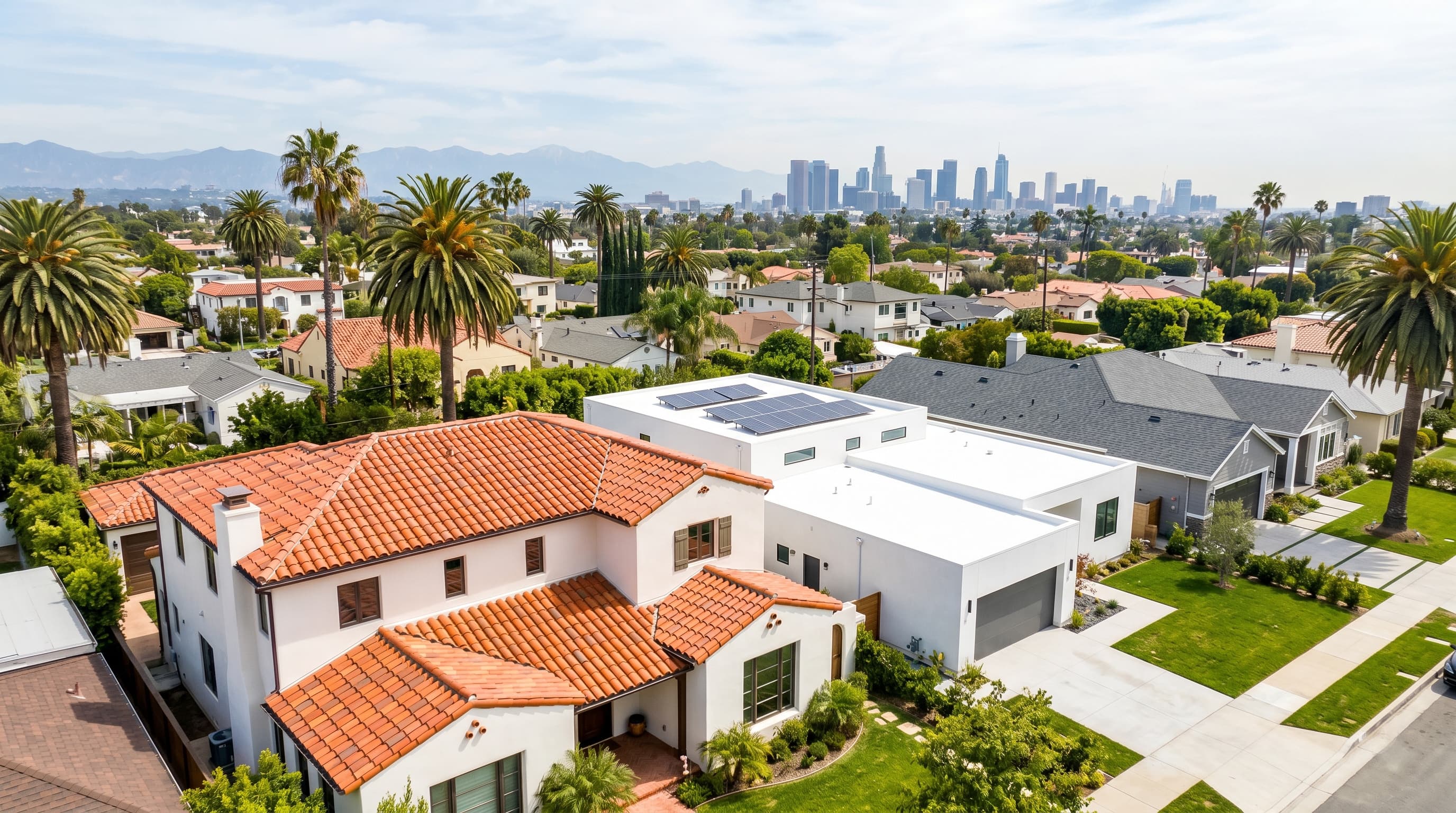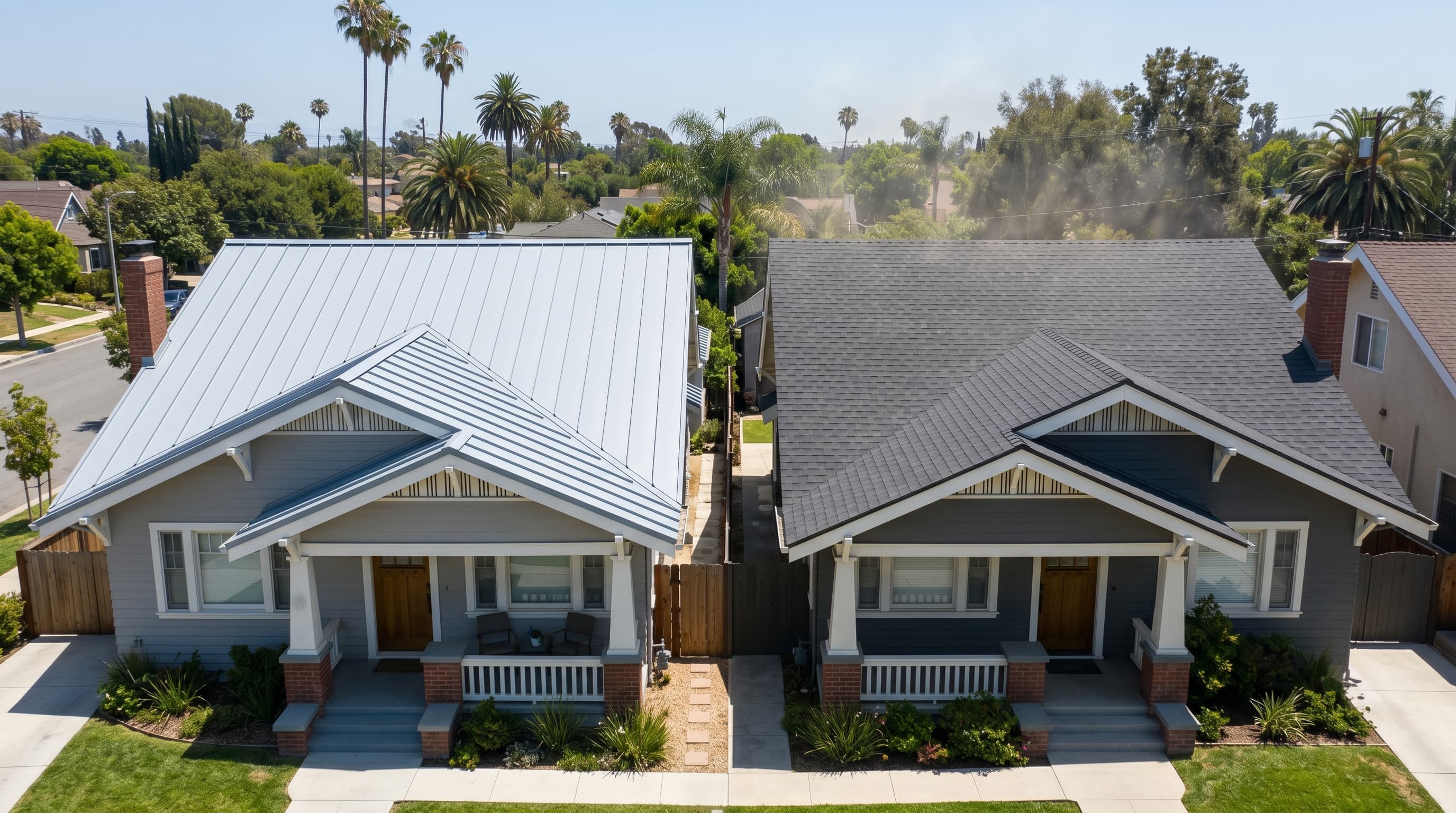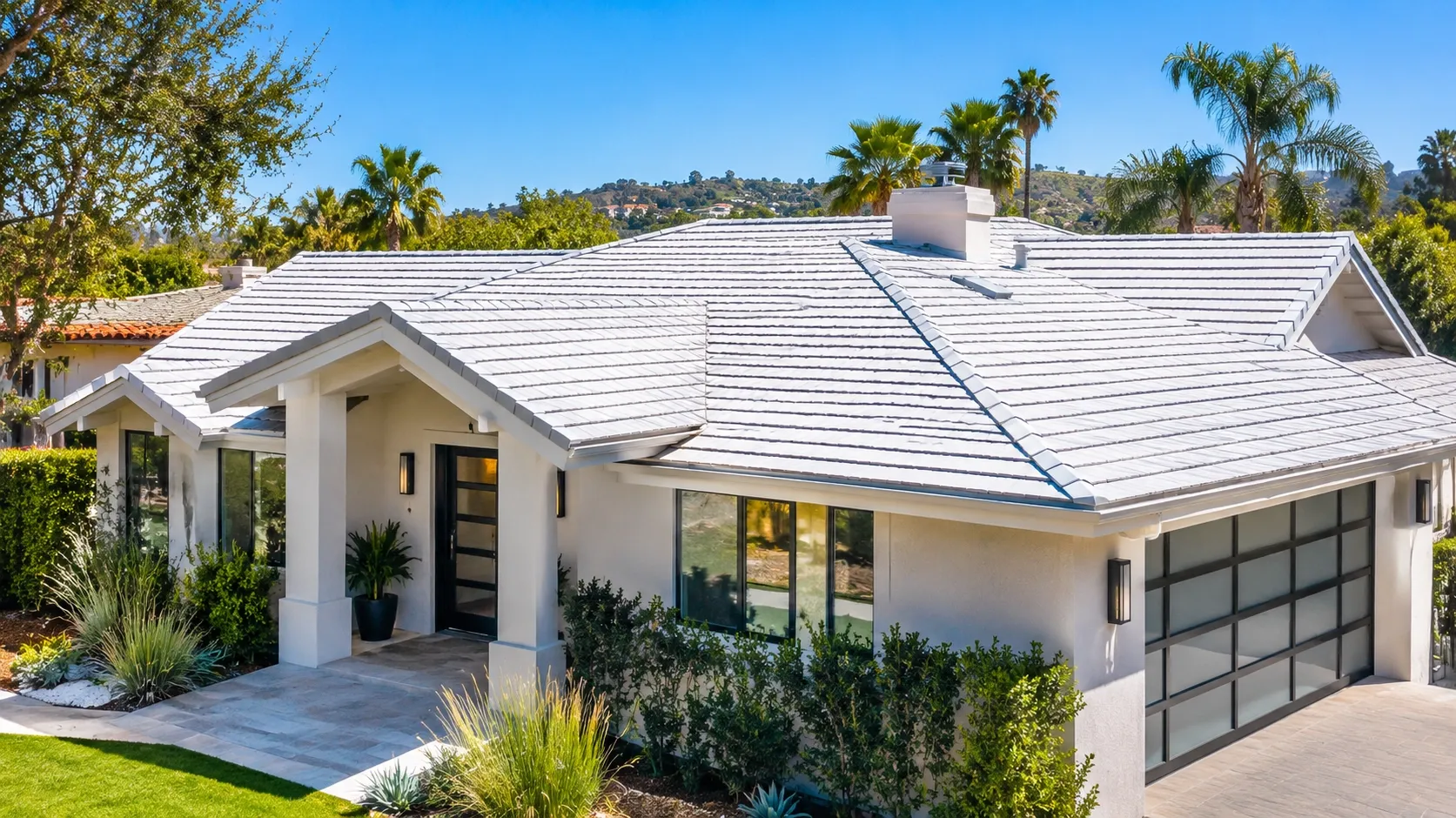
The cool roof installation cost in Los Angeles generally ranges from $0.50 to $3 per square foot for reflective coatings, while complete roofing systems can cost considerably more. The final price depends on roof size, material, existing roof condition, and installation requirements.
If you're planning a cool roof project, the most important questions are how much you should budget, which roofing material offers the best value, and whether your existing roof needs replacement or just a coating.
This guide breaks down estimated installation costs, compares roofing materials, and explains the expenses Los Angeles homeowners should consider before starting a project.
How Much Does Cool Roof Installation Cost in Los Angeles?
Cool roof installation costs depend on the roofing system you choose. Applying a reflective coating to a suitable existing roof generally costs less than installing new shingles, metal panels, or reflective tiles. For initial budgeting, homeowners can use these estimated price ranges.
Average Cool Roof Cost Per Square Foot
The following table shows general estimated installation costs for different cool roofing options.
Roofing Type | Estimated Cost Per Sq. Ft. |
|---|---|
Reflective roof coating | $0.50–$3 |
Cool roof shingles | $4–$12 |
Reflective metal roofing | $7–$16 |
Cool roof tiles | $7–$15 |
These are preliminary budgeting estimates, not fixed contractor prices. Actual costs depend on material quality, labor, roof accessibility, and preparation requirements.
Estimated Installation Costs by Roof Size
Roof size directly affects the amount of material and labor required. Here are estimated coating costs for different roof areas.
Roof Size | Estimated Coating Cost |
|---|---|
1,000 sq. ft. | $500–$3,000 |
1,500 sq. ft. | $750–$4,500 |
2,000 sq. ft. | $1,000–$6,000 |
2,500 sq. ft. | $1,250–$7,500 |
These estimates cover coating application only. Extensive repairs, specialized primers, and additional preparation can increase the total. Contractors calculate costs using actual roof measurements, not the home's interior square footage.
Cool Roof Coating vs. Full Roof Replacement Costs
A roof coating and complete replacement have different costs and purposes.
Consideration | Roof Coating | Full Replacement |
|---|---|---|
Initial cost | Generally lower | Generally higher |
Material removal | Usually unnecessary | May be required |
Best for | Sound existing roofs | Aging or damaged roofs |
Preparation | Cleaning and minor repairs | Removal and surface preparation |
Main purpose | Improve roof reflectivity | Install a new roofing system |
If your existing roof is structurally sound, a reflective coating may be a practical option. However, significant leaks, damaged decking, or deteriorated materials may require replacement.
For a broader cost comparison of roof replacement, see our guide to roof replacement costs in Los Angeles.
What Factors Affect Cool Roof Installation Costs in Los Angeles?
Even roofs of similar sizes can have different installation prices. The following factors have the greatest influence on project costs.
Roof Size, Slope, and Accessibility
Larger roofs require more materials and installation time. Steep slopes, multiple roof sections, skylights, and chimneys can also increase labor expenses. A flat roof is generally easier to coat than a steep roof with complicated architectural features.
Roofing Material and Coating Type
Your material choice affects both the initial investment and maintenance requirements. For example, acrylic and silicone coatings have different product costs and application requirements. Metal panels, reflective shingles, and clay tiles also have different installation expenses.
Choose materials based on roof compatibility, reflectance ratings, durability, and budget rather than price alone.
Existing Roof Condition and Preparation
The existing roof must be suitable for the selected installation method.
Typical preparation work includes:
- Cleaning dirt and debris.
- Repairing cracks and damaged sections.
- Fixing existing leaks.
- Replacing damaged flashing.
- Applying compatible primers.
Significant water damage or deteriorated roofing materials may make coating unsuitable.
Labor, Permits, and Disposal Costs
Labor and additional project expenses can affect the final estimate.
Depending on the project, homeowners may need to budget for:
- Professional installation labor.
- Building permits and inspections.
- Removal and disposal of old materials.
- Scaffolding and safety equipment.
- Additional flashing and drainage work.
Ask your contractor to include these expenses in the estimate rather than focusing only on material prices.
Insulation and Additional Energy-Efficiency Upgrades
Roof insulation affects how much heat enters your home. If your attic insulation is inadequate, improving it may complement a cool roof installation.
However, insulation, ventilation, and air sealing are separate improvements that can increase the project budget.
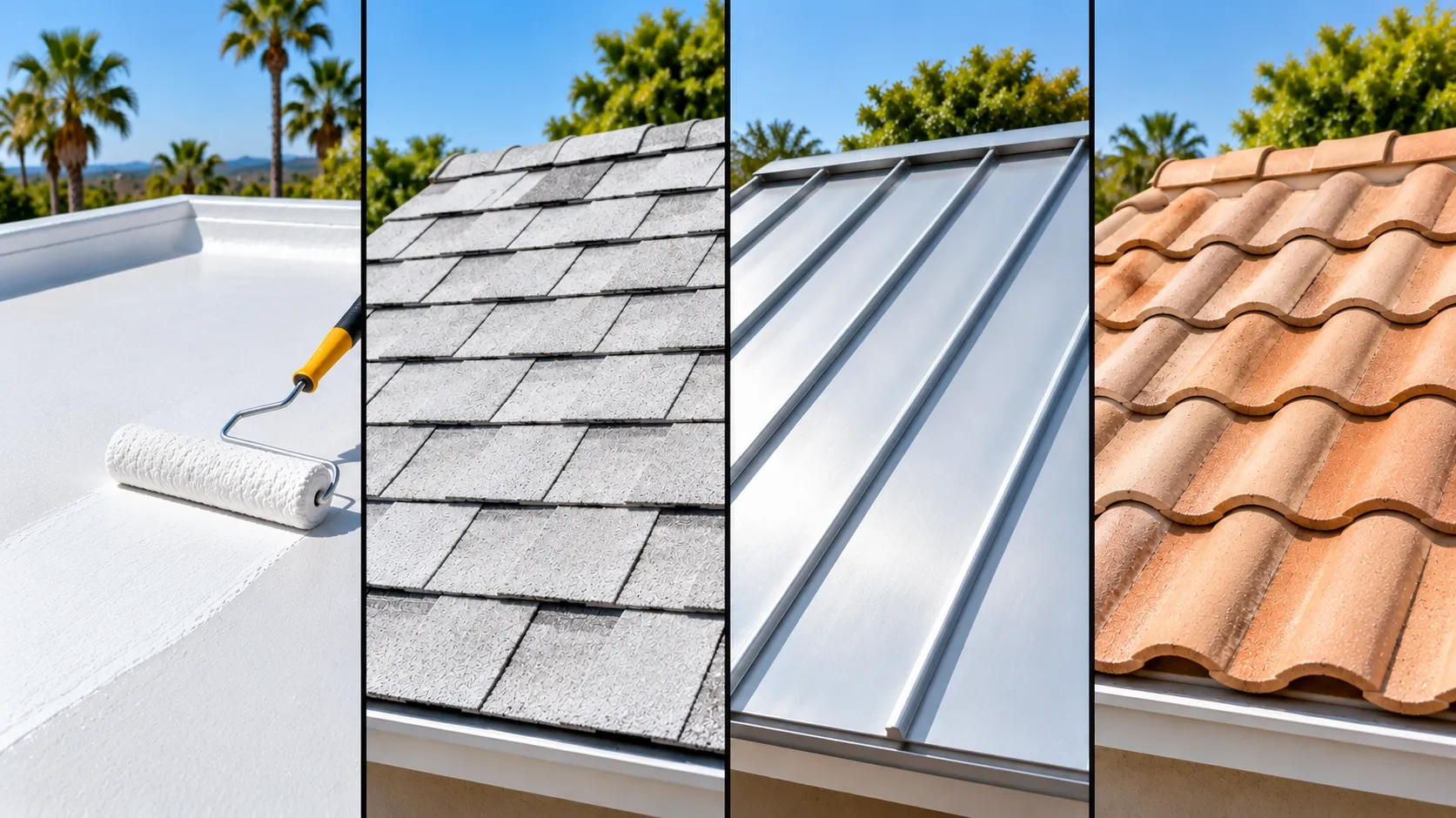
Cool Roof Installation Costs by Roofing Material
The right material depends on your roof design, budget, and preferred appearance. Here are four common options with estimated installation costs to help you compare them.
Cool Roof Coating Cost for Flat and Low-Slope Roofs ($0.50–$7 Per Sq. Ft.)
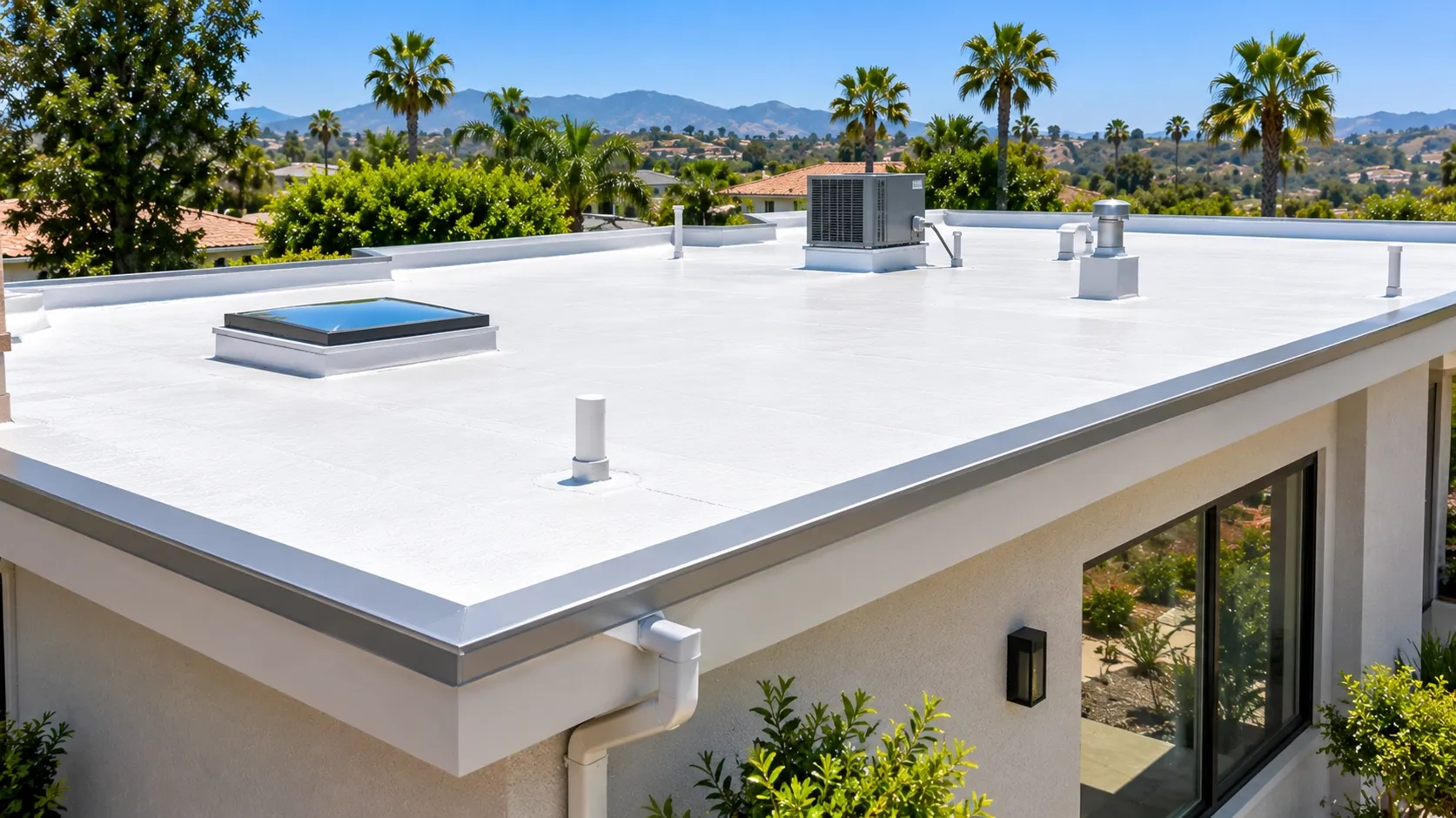
Reflective roof coatings generally cost between $0.50 and $7 per square foot, depending on the coating type, surface condition, and application requirements.
Common options include:
- Acrylic coatings: Approximately $0.50–$3.50 per square foot.
- Silicone coatings: Approximately $1.50–$7 per square foot.
Acrylic coatings offer reflective properties and are commonly used on compatible roofing surfaces. Silicone products provide water resistance and may suit certain applications.
Reflective coatings are often a cost-effective option for suitable existing flat and low-slope roofs. However, the surface must be properly prepared before application.
Cool Roof Shingles Installation Cost ($7–$12 Per Sq. Ft.)
Cool roof shingles generally cost between $7 and $12 per square foot installed, depending on product quality, roof design, and labor requirements.
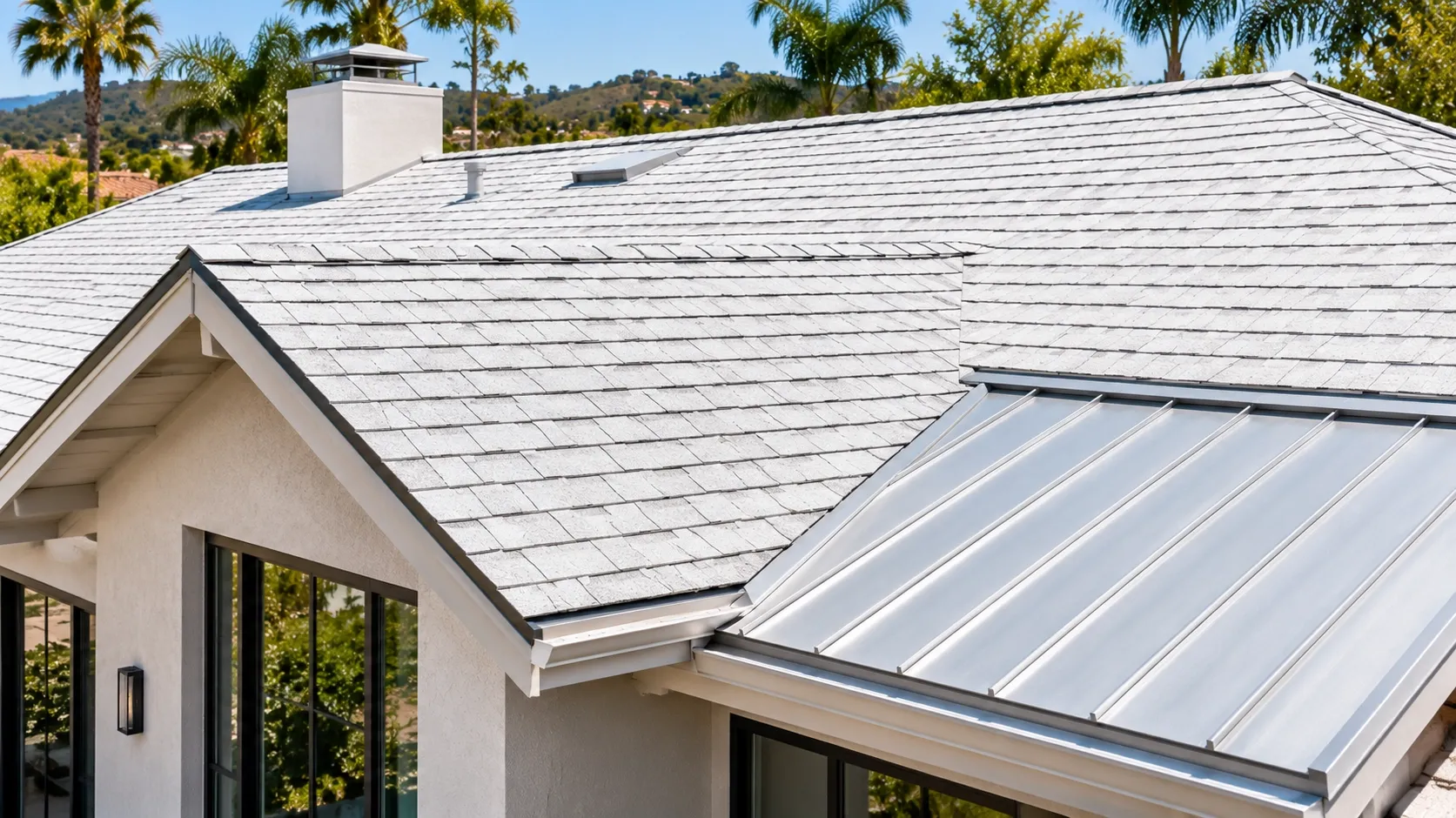
These shingles look similar to traditional asphalt shingles but use reflective granules and pigments to reduce solar absorption. They offer homeowners a familiar roof appearance while improving solar reflectance.
When comparing options, consider:
- Shingle quality and material composition.
- Reflective performance ratings.
- Roof slope and installation complexity.
- Underlayment and flashing requirements.
Reflective shingles can be a suitable choice for homeowners who want to maintain a traditional pitched-roof appearance.
Reflective Metal Roofing Installation Cost ($8–$21 Per Sq. Ft.)
Reflective metal roofing generally costs between $8 and $21 per square foot installed. The final price depends on metal type, panel design, finish, and installation complexity. Common options include standing-seam metal roofing and other metal panel systems.
Standing-seam roofing offers a clean appearance with concealed fasteners. Reflective finishes help reduce solar heat absorption.
Metal roofing generally requires a higher initial investment than basic asphalt shingles. However, its durability and maintenance requirements may make it attractive for homeowners planning long-term improvements.
Compare the differences between metal roofs and shingles before choosing.
Cool Roof Tile Installation Cost ($7–$25 Per Sq. Ft.)
Cool roof tiles generally cost between $7 and $25 per square foot installed, depending on tile material, design, roof structure, and labor.
Common options include:
- Concrete tiles: Generally offer a more economical option among traditional roofing tiles.
- Clay tiles: Often cost more because of their material composition and manufacturing process.
- Reflective tiles: Use finishes or pigments designed to improve solar reflectance.
Clay and concrete tiles are common in Southern California homes. Reflective tile options can improve roof performance while maintaining traditional architectural styles. Before choosing tiles, confirm that your existing roof structure can support their weight.
How Los Angeles Building Codes Affect Cool Roof Installation Costs
Building requirements can affect material selection and installation expenses. Homeowners should check applicable local and state regulations before purchasing roofing materials.
California Title 24 Cool Roof Requirements
California's 2025 Building Energy Efficiency Standards took effect on January 1, 2026. These standards include cool roof requirements for qualifying construction and roofing projects. Requirements vary based on climate zone, building type, roof slope, and project scope.
Some projects require roofing products with specific solar reflectance and thermal emittance ratings. Homeowners should check product certifications through the Cool Roof Rating Council before selecting materials.
Los Angeles Cool Roof Ordinance and Compliance
The City of Los Angeles includes cool roof provisions in its Green Building Code. Applicable requirements depend on roof slope, building type, and the amount of roofing being replaced. Certain repairs and smaller replacement projects qualify for exceptions.
For example, the city code includes an exception for roof replacement involving 50% or less of the total roof area. Confirm the requirements for your specific property before beginning installation.
Roofing Permits and Inspection Requirements
Permit requirements depend on the property's location and the type of roofing work.
Before starting, confirm:
- Whether a building permit is required.
- Which roofing materials meet local requirements.
- Whether product documentation is necessary.
- Whether inspections are required.
Including permit and inspection expenses in your initial budget helps avoid unexpected costs.
Is Cool Roof Installation More Cost-Effective Than Traditional Roofing?
A cool roof can offer good value when the existing roof is suitable and the selected material meets your needs. Traditional roofing may have a lower initial material cost, but reflective alternatives can reduce solar heat absorption.
Consider three main factors when comparing options:
- Initial investment: Compare material, labor, and preparation costs.
- Energy performance: Reflective roofing may reduce cooling demand during hot weather.
- Long-term maintenance: Consider material durability, inspections, and future repairs.
A cool roof does not guarantee a specific reduction in electricity bills. Actual results depend on insulation, ventilation, air conditioning efficiency, and household energy use.
How to Get an Accurate Cool Roof Installation Estimate
A reliable estimate starts with measuring the roof and checking its existing condition.
Before requesting a price, prepare these details:
- Roof size: Have the actual roofing area measured.
- Existing material: Identify whether you have shingles, tiles, metal, or a flat roofing system.
- Roof condition: Check for leaks, cracks, and damaged sections.
- Material preference: Decide whether you prefer coating or complete replacement.
- Project requirements: Include preparation, labor, permits, and disposal.
Ask for an itemized estimate that separates material and installation expenses. Also verify the contractor's California license through the Contractors State License Board (CSLB).
Goldenline Construction is a licensed, bonded, and insured general contractor based in Woodland Hills, serving the greater Los Angeles area, including Pasadena, Beverly Hills, and Santa Monica. Homeowners can contact Goldenline Construction to discuss their roofing and remodeling requirements.
Conclusion
Cool roof installation costs in Los Angeles depend mainly on roof size, material selection, existing roof condition, and labor requirements.
Reflective coatings can be an affordable option for suitable existing roofs, while new shingles, metal roofing, and reflective tiles require a larger investment.
Before choosing an option, compare installation prices, material performance, and maintenance requirements. A professional inspection can help determine which solution suits your roof and budget.